Opinion: Caribbean immigrants do experience culture shock
Proponents at a recent debate on the motion, “Caribbean immigrants are more resistant to culture shock than other immigrants,” held at a Miami university, were defeated. The affirmative side argued that Caribbean immigrants are largely oblivious to culture shock and instead cling to their native cultures—expressed through language, music, and food. While those arguments had […] The post Opinion: Caribbean immigrants do experience culture shock appeared first on CNW Network.
 Black News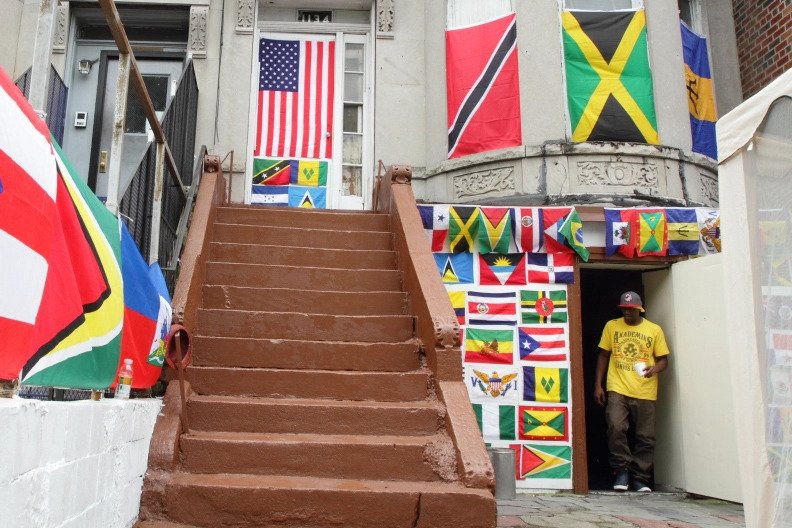
Proponents at a recent debate on the motion, “Caribbean immigrants are more resistant to culture shock than other immigrants,” held at a Miami university, were defeated.
The affirmative side argued that Caribbean immigrants are largely oblivious to culture shock and instead cling to their native cultures—expressed through language, music, and food. While those arguments had some merit, the outcome is not surprising. The claim that Caribbean immigrants are resistant to culture shock is too broad and overlooks the realities most immigrants face.
People from Caribbean countries such as Jamaica, Trinidad and Tobago, and Haiti do experience culture shock in the United States, but it often presents differently from what people expect.

It is true that many Caribbean immigrants hold on to their language, dialect, music, and cuisine. However, this is not evidence of an absence of culture shock; rather, it is a common response to it.
Many arrive with some familiarity with American culture through media, tourism, education, and migration networks. As a result, their culture shock is less about everything feeling entirely foreign and more about adjusting to subtle social norms—such as workplace expectations and communication styles. Racial dynamics in the United States can also differ significantly from those in the Caribbean. In addition, the faster pace of life and a sense of isolation can be difficult to navigate compared to the typically close-knit communities back home.
Maintaining Caribbean identity—through food, dialects like Jamaican Patois and Haitian Creole, and music such as reggae and soca—helps immigrants stay grounded, build community, and pass on their culture to the next generation.
This is especially visible in Caribbean-American communities in cities like New York and across South Florida, where cultural life remains vibrant. That visibility does not indicate resistance to American culture, but rather an ability to engage with both cultures at once.
Instead of fully assimilating or rejecting American culture, many Caribbean immigrants develop a hybrid identity. They may retain strong Caribbean traditions at home and within their communities while adopting more “Americanized” behaviors in professional or public settings. This duality reflects adaptability, not obliviousness.
In fact, second-generation Caribbean Americans often experience even stronger cultural tension than their parents. Growing up among American peers, they are more conscious of navigating their identity and may feel pressure to distance themselves from aspects of their heritage.
Although Caribbean immigrants do experience culture shock, they often cope by actively preserving their culture rather than abandoning it. This reflects resilience and intentional identity-building, not a lack of awareness.
That dual experience plays out in everyday life, particularly in workplaces, homes, and social spaces.
In many American workplaces, Caribbean immigrants adjust more than is often recognized. Communication styles that may be considered normal in the Caribbean—direct, expressive, or informal—can be misinterpreted in the U.S. as blunt or unprofessional. As a result, some individuals modify their tone and delivery, which can sometimes be misread as passivity.
Many also switch between standard American English and their native dialects, such as Patois or Creole, depending on the setting. This code-switching is not a sign of submissiveness, but a practical skill developed to navigate different environments.
While Caribbean cultures often emphasize respect for authority, American workplaces tend to reward self-promotion and assertiveness. This difference can sometimes lead to Caribbean workers being overlooked, despite strong performance.
Racial dynamics are another major source of culture shock. Many immigrants come from societies where race operates differently, and they may not initially identify with the structures of American racism. Adjusting to these realities can be one of the most significant challenges they face.
At home, Caribbean culture is often most strongly preserved. Households may emphasize structure, discipline, and respect for elders—values that can sometimes clash with the more individualistic norms embraced by American-born children.
Food also remains a central cultural anchor, even when younger generations gravitate toward American options. At the same time, there is often a strong emphasis on education, hard work, and upward mobility, with children encouraged to justify the sacrifices made by their parents.
Second-generation Caribbean Americans frequently feel pressure from their parents to maintain their cultural identity, even as they navigate American society. This push and pull is one of the clearest indicators that culture shock does exist within Caribbean families.
Rather than fully blending into mainstream culture, many immigrants maintain strong ties to their roots through churches, alumni networks, and community organizations. These spaces help reduce isolation and reinforce shared values.
Many also maintain ties to their roots through churches and community groups, helping to reduce isolation. Music—reggae, dancehall, soca, and kompa—and events like Carnival in Miami and New York continue to reinforce cultural identity.
Caribbean immigrants do experience culture shock, especially in workplaces and family life. However, they adapt where necessary while preserving what defines them. In many cases, their culture shock is not absent, but carefully managed and less visibly expressed.
The post Opinion: Caribbean immigrants do experience culture shock appeared first on CNW Network.