Ozempic’s Secret Second Act — The Harsh Truth About Life After You Stop Using GLP-1 Medication
Stopping GLP-1 medication like Ozempic can leave people wondering what happens next. Navigating life after this diabetes treatment is crucial. The post Ozempic’s Secret Second Act — The Harsh Truth About Life After You Stop Using GLP-1 Medication appeared first on MadameNoire.
 Black News

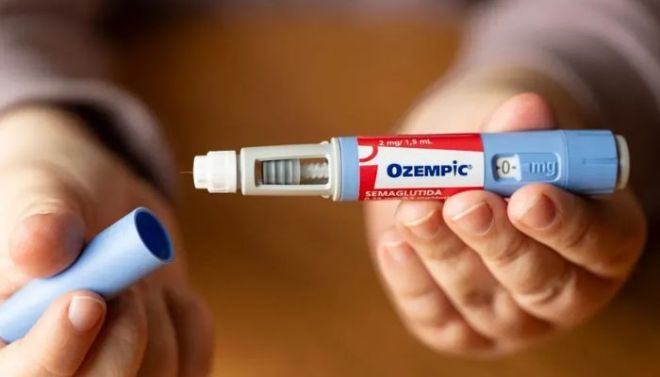
Adjusting to life after stopping Ozempic can be challenging for many people. GLP-1 medications like Ozempic are prescribed for a variety of conditions, including obesity, diabetes, and blood sugar regulation, so coming off the medication can affect both the body and mind in different ways. However, with the right support, healthy habits, and guidance, managing these changes becomes much easier. Here’s what life after Ozempic can look like.
1. The Weight Can Come Back.
Ozempic works by mimicking a natural hormone in the body called GLP-1 (glucagon-like peptide-1), which is released after eating. The medication helps regulate blood sugar by increasing insulin production when needed and reducing the amount of sugar released by the liver. It also helps manage appetite and cravings, especially when paired with a reduced-calorie diet and regular physical activity.
RELATED CONTENT: The Truth About The ‘MIND Diet’ And Why It’s Good For Black People
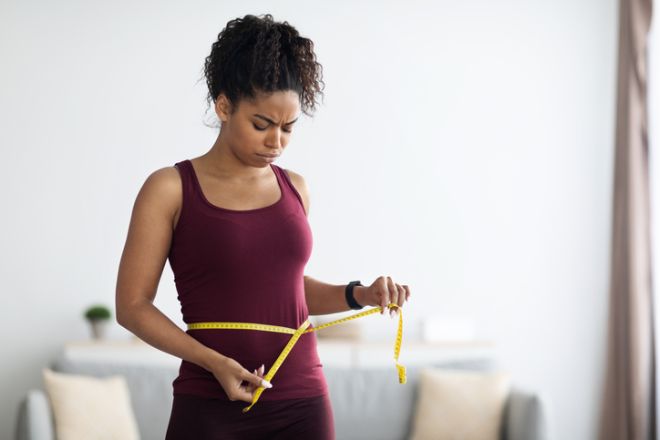
Once someone stops taking Ozempic, this process slows down and appetite often returns to its previous state. Because feelings of fullness decrease and cravings can come back, regaining weight is common. A study from the University of Cambridge found that one year after stopping weight-loss drugs like Ozempic and Wegovy, people regained an average of 60% of the weight they had lost. However, researchers also noted that many individuals still maintained about 25% of their total weight loss long term.
Still, there are ways former Ozempic users can help prevent significant weight regain. Robert Kushner, MD, a professor and director of the Center for Lifestyle Medicine at Northwestern University Feinberg School of Medicine in Chicago, told Everyday Health in 2025 that maintaining healthy habits is essential after stopping the medication.
“Ozempic should always be taken along with making healthy lifestyle changes in diet and physical activity,” Kushner says. “These changes should be continued even after stopping the medication and can help maintain some of the health benefits seen with body weight and blood sugar control.”
A 2024 study also found that following a structured exercise plan helped participants maintain weight loss for a full year after discontinuing GLP-1 medications.
The post Ozempic’s Secret Second Act — The Harsh Truth About Life After You Stop Using GLP-1 Medication appeared first on MadameNoire.