Rio Tinto steps back from one of the world’s biggest critical minerals projects as Malawi targets U.S. supply chains
Rio Tinto has declined to take over operations of Malawi’s Kasiya project, one of the world’s largest undeveloped critical minerals deposits, clearing the way for Sovereign Metals to pursue a U.S.-focused strategy aimed at supplying natural rutile and graphite to Western markets seeking alternatives to China.
 Black News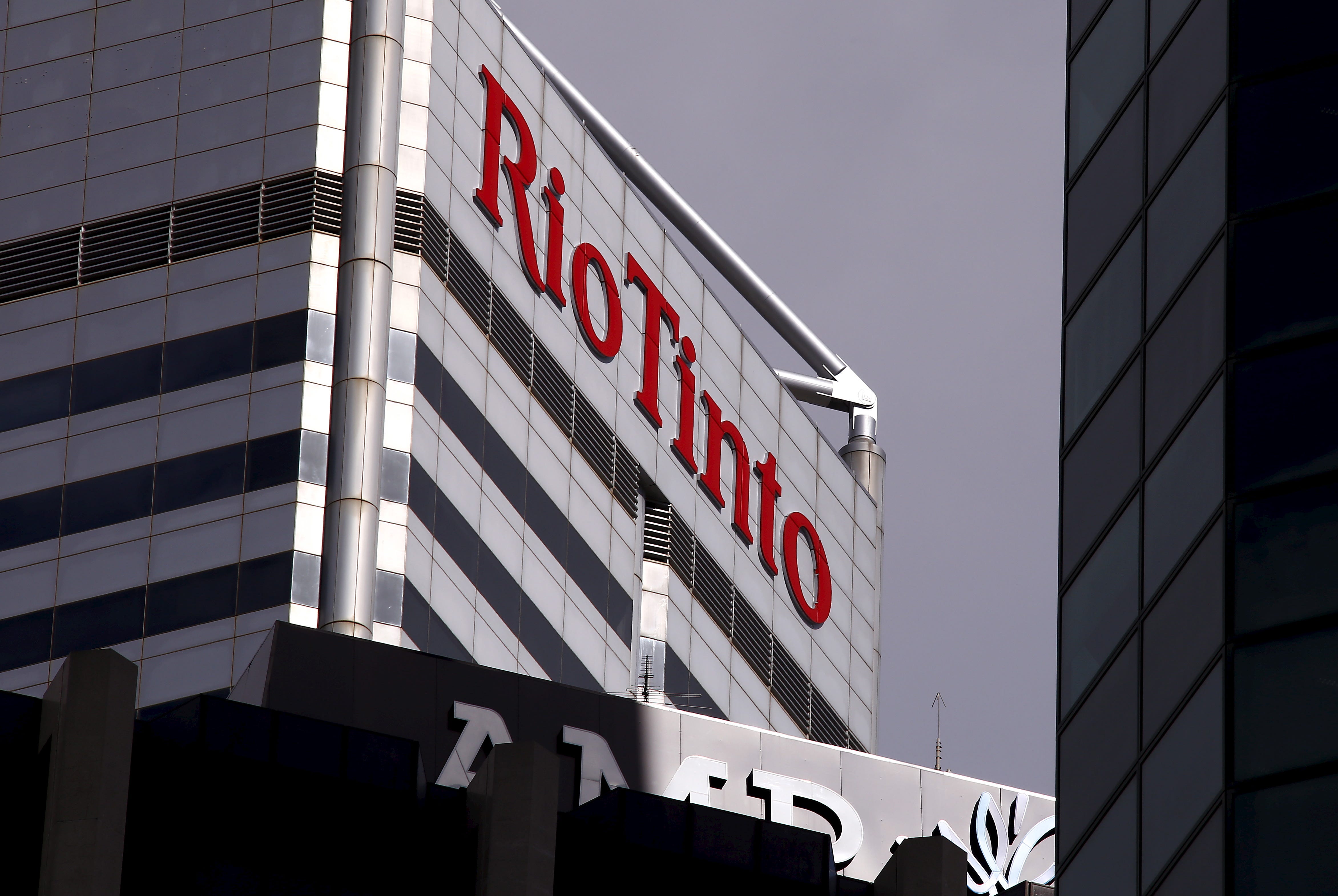
Rio Tinto has declined to take over operations of Malawi’s Kasiya project, one of the world’s largest undeveloped critical minerals deposits, clearing the way for Sovereign Metals to pursue a U.S.-focused strategy aimed at supplying natural rutile and graphite to Western markets seeking alternatives to China.
- Rio Tinto has declined operatorship of Malawi’s Kasiya project but will retain its 18.2% stake.
- Sovereign Metals will now independently pursue financing and commercial partnerships centred on U.S. and allied markets.
- Kasiya hosts the world’s largest natural rutile deposit and the second-largest flake graphite deposit, according to its DFS.
- The move reflects intensifying global competition for critical minerals outside China’s supply chains.
The mining giant said it would not exercise its option to become operator of the Kasiya Rutile-Graphite Project, citing a broader corporate strategy that narrows its investment focus to iron ore, copper, aluminium and lithium.
Importantly, Rio Tinto stressed that the decision was “not reflect any change in the fundamentals, economics or strategic importance of the Project,” signalling that the move was driven by portfolio priorities rather than concerns about Kasiya itself.
Rio Tinto will remain one of Sovereign Metals’ largest shareholders with an 18.2% stake, retaining the right to appoint a director while its holding remains above 15%.
The decision hands Sovereign full control of one of Africa’s most strategically significant mining developments at a time when governments are racing to secure supplies of critical minerals outside China’s dominance.
DON'T MISS THIS: Africa faces new competition for critical minerals investment as U.S. secures Greenland rare earth deal in bid to cut China reliance
Why Kasiya matters
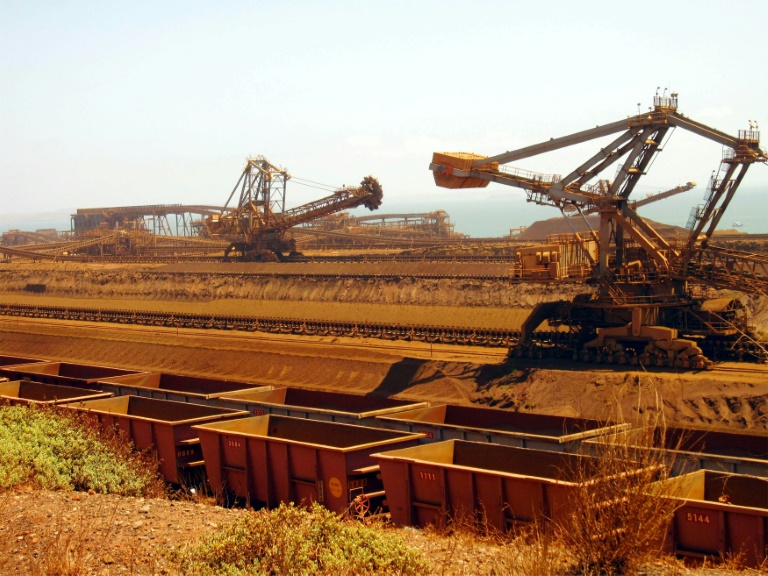
Located in central Malawi, Kasiya is no ordinary mining project.
A definitive feasibility study completed earlier this year confirmed it hosts the world’s largest known natural rutile deposit and the world’s second-largest flake graphite deposit, positioning it to become the world’s largest producer of both commodities.
The study estimated a pre-tax net present value of $2.2 billion, annual EBITDA of about $476 million, and an initial mine life of 25 years.
Natural rutile is the highest-grade titanium feedstock used in aerospace, defence and industrial manufacturing, while graphite is an essential component in lithium-ion batteries used in electric vehicles and energy storage systems.
Both minerals have been designated as critical by the United States and the European Union as Western governments accelerate efforts to diversify supply chains away from China.
DON'T MISS THIS: Africa faces new competition for critical minerals investment as U.S. secures Greenland rare earth deal in bid to cut China reliance
A pivot towards Washington
Freed from Rio Tinto’s operatorship rights, Sovereign said it will now accelerate a U.S.-focused commercial strategy.
The company plans to deepen engagement with the U.S. government, development finance institutions and industry partners while seeking to convert existing memoranda of understanding with Mitsui & Co. and Traxys North America into binding offtake agreements.
Sovereign also intends to build on its collaboration agreement with the International Finance Corporation (IFC), part of the World Bank Group, which could support financing for the project and strengthen its appeal to international investors.
DON'T MISS THIS: Malawi joins South Africa and DRC as Africa’s rare earth powerhouse with $100 million investment by Australian miner
Rio stays invested
Although it has stepped away from operatorship, Rio Tinto remains financially invested in the project’s success.
Since 2023, the miner has invested more than A$60 million in Kasiya and provided technical expertise that helped deliver pilot mining programmes and the definitive feasibility study.
“As the Sovereign-Rio Tinto collaboration concludes, we would like to acknowledge and thank Rio Tinto for its significant contribution to the advancement of Kasiya,” Sovereign chairman Ben Stoikovich said.
He added that the company was now “well positioned to prioritise a U.S.-focused critical minerals strategy, positioning Kasiya as a secure, non-Chinese source of titanium feedstock and natural graphite for the U.S. and allied supply chains.”
The development comes as competition intensifies among the United States, Europe and China to secure long-term supplies of critical minerals, placing African producers such as Malawi in an increasingly strategic position within global energy transition and industrial supply chains.