Russia taps African island nation for fuel storage project as Strait of Hormuz tensions threaten supplies
Russia is deepening its energy footprint in Africa after signing agreements with Madagascar to establish a common economic zone that includes plans for strategic fuel storage facilities aimed at cushioning the impact of growing instability in the Middle East and tensions around the Strait of Hormuz.
 Black News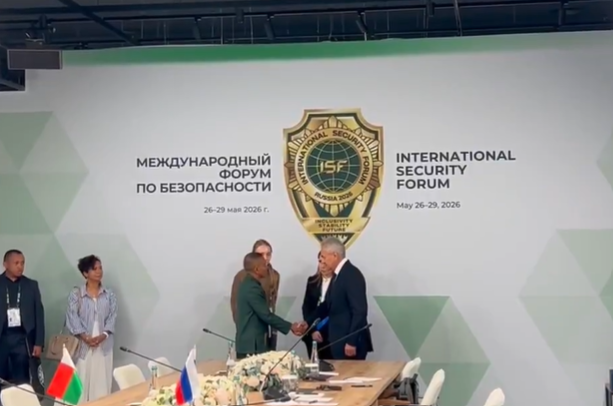

Russia is deepening its energy footprint in Africa after signing agreements with Madagascar to establish a common economic zone that includes plans for strategic fuel storage facilities aimed at cushioning the impact of growing instability in the Middle East and tensions around the Strait of Hormuz.
- Russia and Madagascar have signed agreements to establish a common economic zone with strategic fuel storage facilities on the island.
- The initiative aims to help Madagascar secure affordable fuel supplies and reduce vulnerability to global energy disruptions, especially those linked to Middle East instability.
- The project is strategically significant due to Madagascar's location along key Indian Ocean shipping routes, potentially making it a regional fuel storage and logistics hub.
- This agreement is part of Russia's broader push to increase its influence in Africa’s energy, mining, and infrastructure sectors.
The agreement, confirmed by Madagascar Prime Minister Mamitiana Rajaonarison during a strategic meeting with Russian Security Council chief Sergei Shoigu, is aimed at helping the Indian Ocean island nation secure fuel supplies at more competitive prices while reducing its exposure to global energy disruptions linked to geopolitical tensions in the Gulf region.
“One of the objectives is to counter the consequences of the crisis in the Middle East by creating facilities to store fuels in Madagascar at competitive prices,” Rajaonarison said in remarks to Sputnik Africa.
DON'T MISS THIS: U.S. unlocks access to stranded Russian oil cargoes as African fuel importers eye gains
The move comes as countries across Africa increasingly reassess their energy security strategies amid fears that instability involving Iran and the United States could disrupt oil flows through the Strait of Hormuz, one of the world’s most important maritime energy corridors.
Roughly a fifth of global oil trade passes through the narrow waterway, making any disruption a major risk to fuel-importing economies.
Africa’s growing fuel security challenge
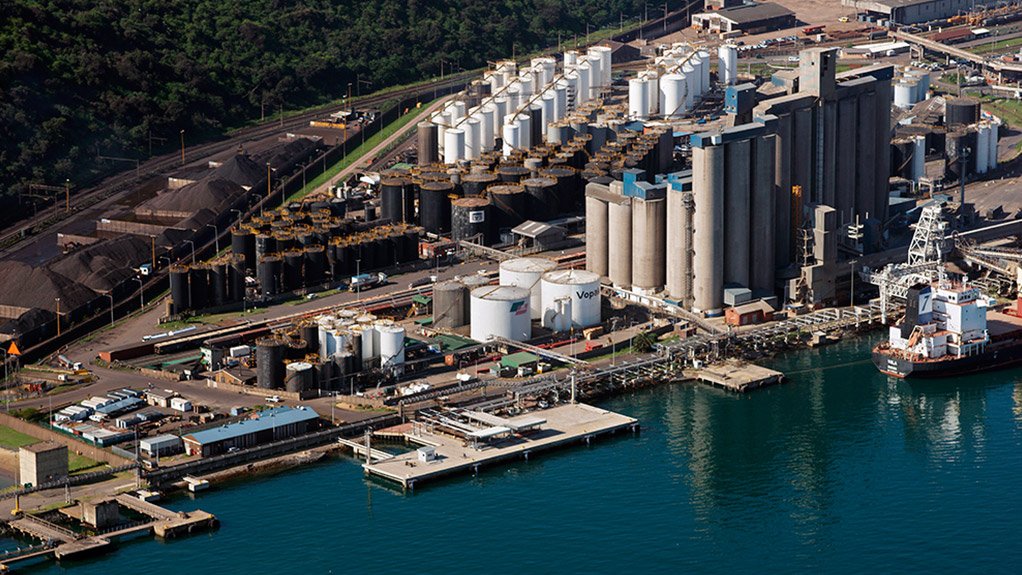
For many African countries, rising geopolitical uncertainty has renewed interest in fuel storage infrastructure, strategic reserves, and alternative energy supply partnerships.
Madagascar’s location along key Indian Ocean shipping routes also gives the project broader regional significance. Analysts say the island could evolve into a strategic logistics and fuel storage hub serving parts of eastern and southern Africa if the project advances.
The agreement also reflects Russia’s expanding push into Africa’s energy, mining, and infrastructure sectors at a time when Moscow is seeking deeper commercial and geopolitical ties across the continent.
DON'T MISS THIS: Putin’s Africa strategy expands as Russia plans high-stakes summit with Sahel leaders
Beyond fuel storage, Madagascar is increasingly attracting foreign interest because of its vast untapped mineral reserves, including graphite, nickel, cobalt, and rare earth elements used in electric vehicles and clean energy technologies.
Russia’s latest move comes as global powers intensify competition for influence across Africa’s strategic maritime routes and critical mineral supply chains.
For Madagascar, the partnership offers an opportunity to strengthen energy resilience while positioning itself more prominently within emerging Indian Ocean trade and energy networks.