Somalia, 2 other African countries targeted in proposed U.S. immigration ban
A Republican member of the U.S. House of Representatives has announced plans to introduce legislation that would ban immigration from Somalia, Sudan and South Sudan, arguing that the measure is necessary to protect the United States from security threats and instability.
 Black News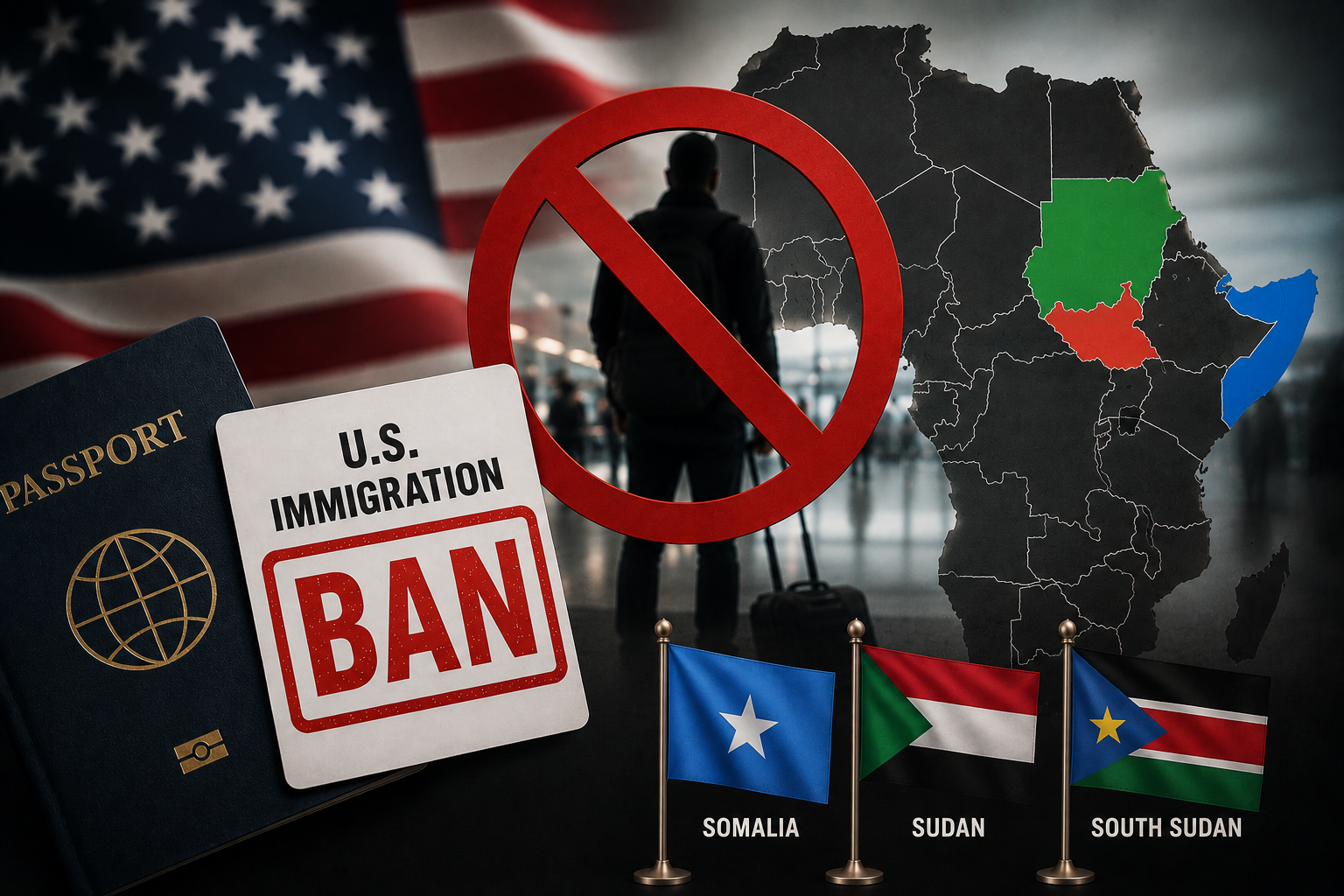

A Republican member of the U.S. House of Representatives has announced plans to introduce legislation that would ban immigration from Somalia, Sudan and South Sudan, arguing that the measure is necessary to protect the United States from security threats and instability.
- Republican Congresswoman Nancy Mace has proposed legislation to ban immigration from Somalia, Sudan, and South Sudan to address perceived security threats.
- Mace argues these countries are unstable and that admitting their immigrants poses risks to American communities.
- The bill aligns with the Trump administration's tougher immigration stance and increased scrutiny on borders and asylum.
- All three targeted African nations have experienced severe political instability, conflict, and humanitarian crises in recent years.
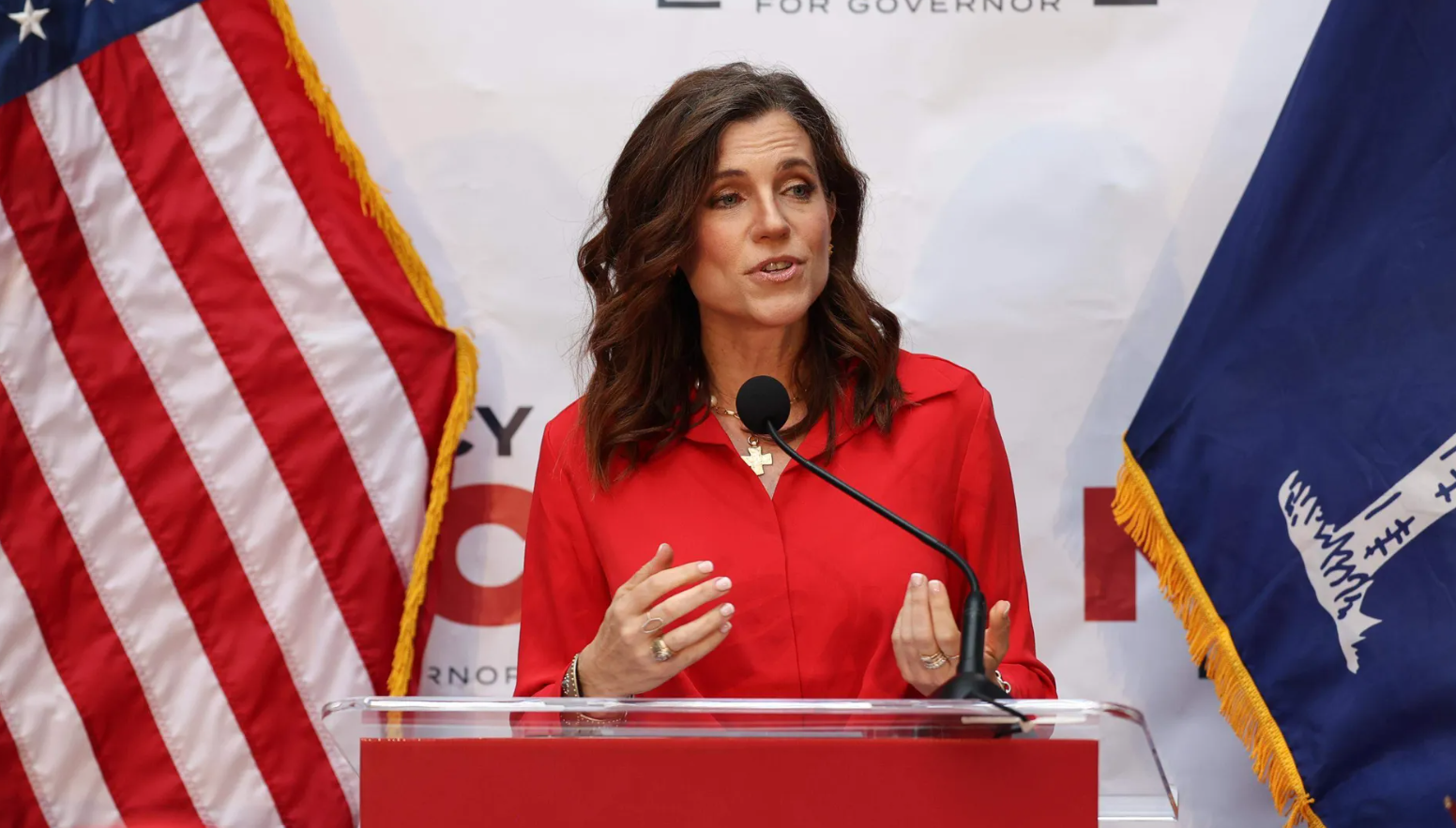
Congresswoman Nancy Mace of South Carolina unveiled the proposal saying the legislation is aimed at preventing immigration from what she described as some of the world's most unstable countries.
"We will not put the interests of foreign nationals ahead of the safety and security of American citizens," Mace said in a statement announcing the bill. "No more importing instability. No more ignoring the warning signs. No more apologizing for putting our country first. America First. Always."
The Republican lawmaker also defended the proposal on social media, writing that the United States was "being invaded" and asserting that America "will not become the next Europe."
DON'T MISS THIS: Up to 30 African countries could lose U.S. visa-processing services under new Trump plan
If enacted, the legislation would prohibit immigration from Somalia, Sudan and South Sudan. However, the proposal is still in its early stages and must be formally introduced, approved by both the House of Representatives and the Senate, and signed into law by President Donald Trump before it can take effect.
Proposal targets three conflict-hit African nations
In announcing the legislation, Mace described Somalia, Sudan and South Sudan as among the world's most dangerous and unstable countries, arguing that admitting immigrants from the three nations poses risks to American communities.
"America is not a doormat or dumping ground for the third world," Mace said, adding that immigrants from the three countries "do not assimilate to our American values, culture or constitution."
The proposal comes as the Trump administration continues to pursue a tougher immigration agenda, with increased scrutiny of migration, asylum claims and border security.
The three African countries named in the bill have faced prolonged instability in recent years.
Sudan has been engulfed in a devastating civil war since April 2023, triggering one of the world's largest displacement crises.
DON'T MISS THIS: List of African countries affected as US suspends immigrant visa processing
South Sudan continues to grapple with political instability, localized violence and humanitarian challenges despite gaining independence in 2011. Somalia has battled decades of insecurity, with the Islamist militant group al-Shabaab remaining a persistent threat.
Bill faces legislative hurdles
Although Republicans currently control both chambers of Congress, the legislation is far from becoming law.
Like all federal bills, Mace's proposal must pass committee review, secure majority support in both the House and Senate, and receive President Trump's signature before it can be implemented.
DON'T MISS THIS: US suspends visa processing for 75 countries, including Nigeria
If enacted, it would represent one of the latest efforts by Republican lawmakers to tighten U.S. immigration policy, particularly toward countries viewed as presenting elevated security risks.
The proposal also adds to a broader debate over immigration and national security that has become a defining issue in U.S. politics, with supporters arguing that stricter controls are necessary to protect Americans, while critics contend that blanket restrictions based on nationality could unfairly affect people fleeing conflict and humanitarian crises.