Sound Waves: From Cornerstone Country Crooners To Contemporary Cowboy Carter–Black Country’s Lasting Legacy
Black Music Month is here, and it’s time to celebrate the musical trailblazers who paved the way for Black artists across genres and the protégés who continue pushing the culture forward. Today, we’re shining a light on country music, a genre that, in recent years, has revealed deep and often overlooked Black roots. Beyoncé, K. […] The post Sound Waves: From Cornerstone Country Crooners To Contemporary Cowboy Carter–Black Country’s Lasting Legacy appeared first on Bossip.
 Black News
Black Music Month is here, and it’s time to celebrate the musical trailblazers who paved the way for Black artists across genres and the protégés who continue pushing the culture forward.
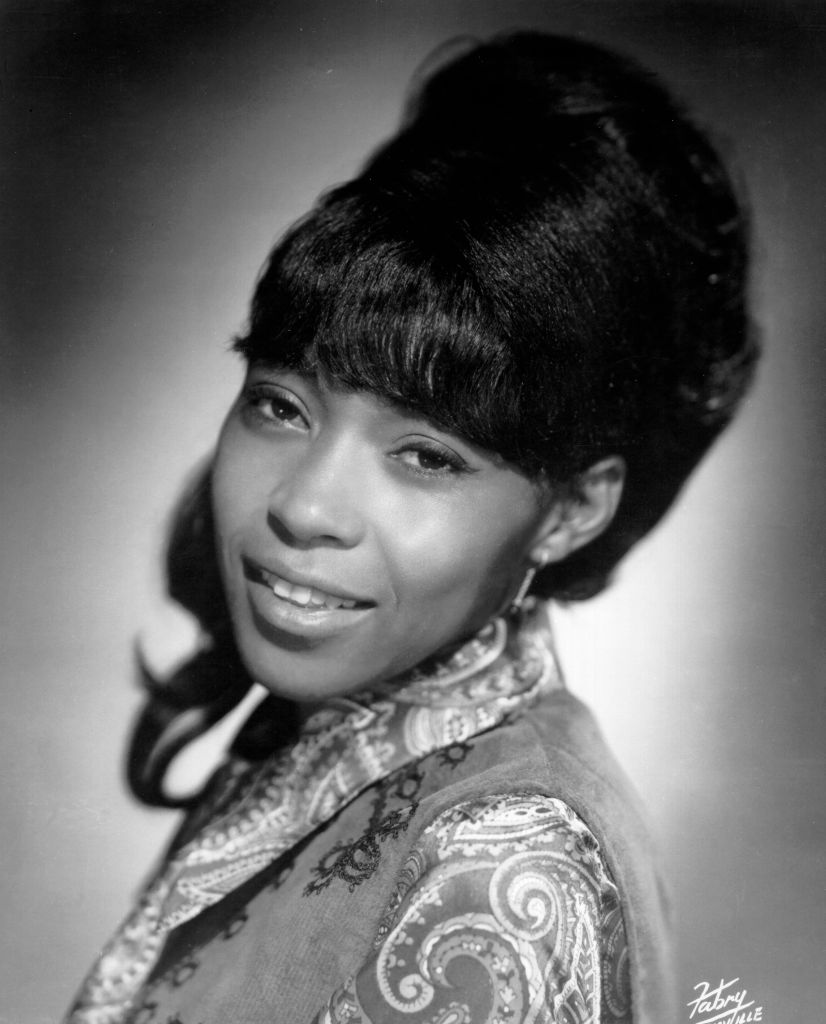
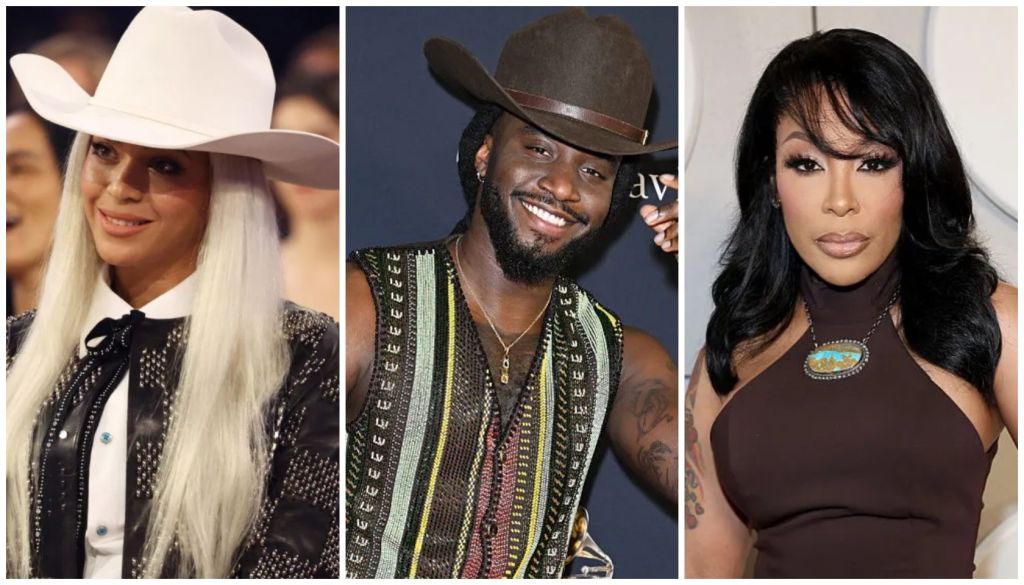
Today, we’re shining a light on country music, a genre that, in recent years, has revealed deep and often overlooked Black roots. Beyoncé, K. Michelle, Linda Martell, and Shaboozey are just a few icons who are making sure Black history within the genre is never forgotten.
Beyoncé helped to push the history of Black Country Music back into the forefront.
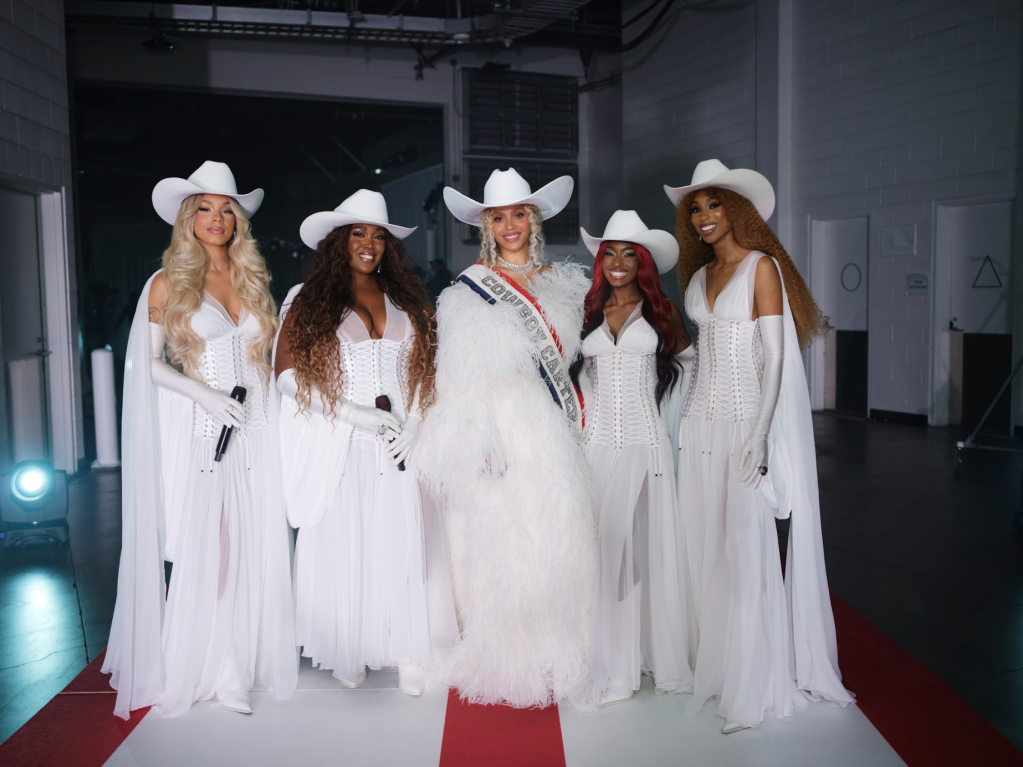
When Beyoncé released Cowboy Carter in 2024, fans around the world found themselves embracing country music through standout tracks like “TEXAS HOLD ’EM” and “BLACKBIIRD.” But beyond the chart success and viral moments, the album sparked a larger conversation about country music’s roots and who has helped shape the genre over the years. Following Beyoncé’s historic Grammy wins for Best Country Album and Album of the Year, many listeners began asking an important question: Was Black country music a thing long before Cowboy Carter? The answer is a resounding yes.
In fact, Black artists have been instrumental in the evolution of country music for generations. Country music, a genre born in the rural South and West of the U.S. in the early 20th century, is recognized for its simple harmonies, narrative lyrics, and the use of stringed instruments such as guitars, fiddles, banjos, and pedal steel, Merriam-Webster notes. According to the Jacksonville Music Experience, melodies of early Southern country music were heavily influenced by hymns from Black churches, while the playing styles were shaped by Black musicians. Over time, the genre absorbed elements of blues and jazz, and new instruments like the guitar and fiddle were incorporated, laying the foundation for what we now recognize as country music.
Many Black pioneers paved the way in country music, artists we have to thank for shaping the genre. Several emerging stars continue to carry the torch today. Here’s a look back at the evolution of Black country music.
DeFord Bailey – Country Music’s First Trailblazer
One of the genre’s earliest trailblazers was DeFord Bailey, born in 1889 in Smith County, Tennessee. Raised in a farming family, Bailey became known for his iconic harmonica playing and is widely regarded as the first Black country artist. Per the Country Music Hall of Fame, his musical roots ran deep. He was the grandson of a fiddler and grew up in a household that embraced “Black hillbilly music,” a genre that fused elements of both Black and white rural traditions. Bailey’s musical education began in church, where he learned hymns, and from there he honed his skills by mimicking the sounds of nature: the rhythm of passing trains, the howls of hounds chasing foxes, and the cacophony of animals on the farms where he worked.
Bailey’s talents soon earned him radio airtime, and his big break came in 1927 when the WSM Barn Dance was spontaneously renamed during a broadcast. The program, which had previously focused on classical music, made an intentional shift toward showcasing “realism.” Bailey was introduced by announcer George Hay, who famously declared, “For the past hour, we have been listening to music largely from Grand Opera, but from now on, we will present ‘The Grand Ole Opry.’” This moment marked the birth of the Grand Ole Opry, one of the most iconic country music shows in history, and Bailey played an instrumental role in shaping its future.
Bailey quickly became a staple of the Opry, earning the nickname “The Harmonica Wizard” for his dazzling performances. His renditions of songs like “Fox Chase” and “Pan American Blues” became legendary, showcasing his ability to mimic train whistles, animal calls, and other sounds of rural life. In 1932, as WSM expanded its broadcast power to 50,000 watts, Bailey’s music reached a wider audience, from the East Coast to the Rocky Mountains, inspiring countless harmonica players, both Black and white.
DeFord Bailey’s contributions to country music were groundbreaking, and his influence continues to be felt today. His early work not only helped shape the sound of country music but also laid the foundation for future generations of Black artists to break into the genre and leave their mark on its rich history.
The post Sound Waves: From Cornerstone Country Crooners To Contemporary Cowboy Carter–Black Country’s Lasting Legacy appeared first on Bossip.