While South Africa depends on Lesotho’s water, a $6.2 billion US deal could help Lesotho depend less on South African electricity
Under a $6.2 billion agreement with US-based Convalt Energy, Lesotho plans to build a major hydropower project and an AI data centre that could reduce its reliance on electricity imports from South Africa while expanding its role in the region’s energy market
 Black News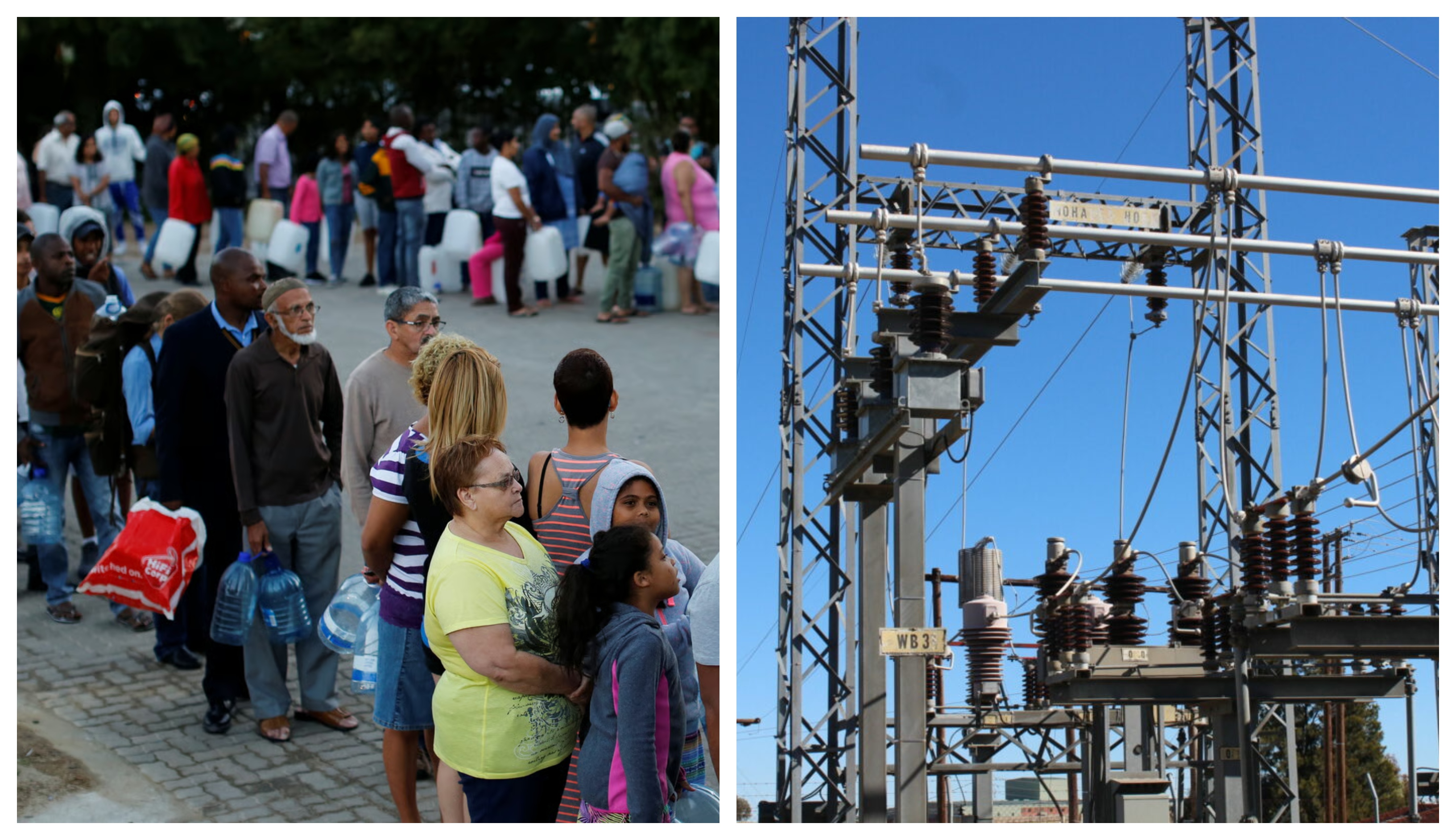

Under a $6.2 billion agreement with US-based Convalt Energy, Lesotho plans to build a major hydropower project and an AI data centre that could reduce its reliance on electricity imports from South Africa while expanding its role in the region’s energy market
- The addition of an AI data centre positions Lesotho to enter Africa’s growing digital economy, though specific details of the centre are yet to be disclosed.
- Currently, Lesotho is reliant on electricity imports, but Project Kobong could generate surplus power for export to South Africa and other nations.
- Lesotho signed a $6.2 billion agreement with US-based Convalt Energy to build a 1,200 MW hydropower plant and an AI data centre.
- The deal is expected to be the largest foreign direct investment in Lesotho’s history, aiming to turn the country into a regional power exporter.
Signed on June 4 between Convalt Energy and Lesotho’s Ministry of Energy, the 98 billion-maloti deal covers the development of 1,200 megawatts of hydropower capacity and an integrated AI data centre under Project Kobong.
If completed, the investment could shift Lesotho from a net electricity importer to a regional power exporter while giving the country digital infrastructure capable of supporting energy-intensive AI operations.
The agreement followed talks between King Letsie III and Richard Gephardt, a Convalt Energy board member and shareholder, on Lesotho’s ambition to become a regional centre for energy and digital infrastructure.
Lesotho Targets Greater Energy Independence
Lesotho generates most of its domestic electricity from the 72-megawatt Muela hydropower plant and the 30-megawatt Ramarothole solar facility. However, output remains below national demand.
World Bank project documents put electricity demand at about 209 megawatts, compared with installed domestic capacity of roughly 105 megawatts.
To cover the shortfall, the country imports power from South Africa’s Eskom and Mozambique’s Electricidade de Moçambique through the Southern African Power Pool. In 2024, Lesotho imported 438 gigawatt-hours of the 970 gigawatt-hours it consumed.
That reliance has exposed Lesotho to import costs and external supply risks, particularly after years of nationwide load-shedding in South Africa caused by Eskom’s ageing power stations and generation shortages.
Although Eskom’s performance has improved, major cities, including Johannesburg, continue to experience local outages linked to municipal infrastructure failures and maintenance backlogs.
Project Kobong could therefore strengthen Lesotho’s energy security by expanding domestic generation and creating surplus capacity for regional exports.
Its proposed 1,200-megawatt capacity would be more than 10 times Lesotho’s existing generation capacity and significantly exceed current domestic demand.
The US Embassy in Maseru said the project could eliminate costly electricity imports, turn Lesotho into a power exporter and position the country to participate in the growth of global artificial intelligence infrastructure.
A Two-Way Resource Relationship
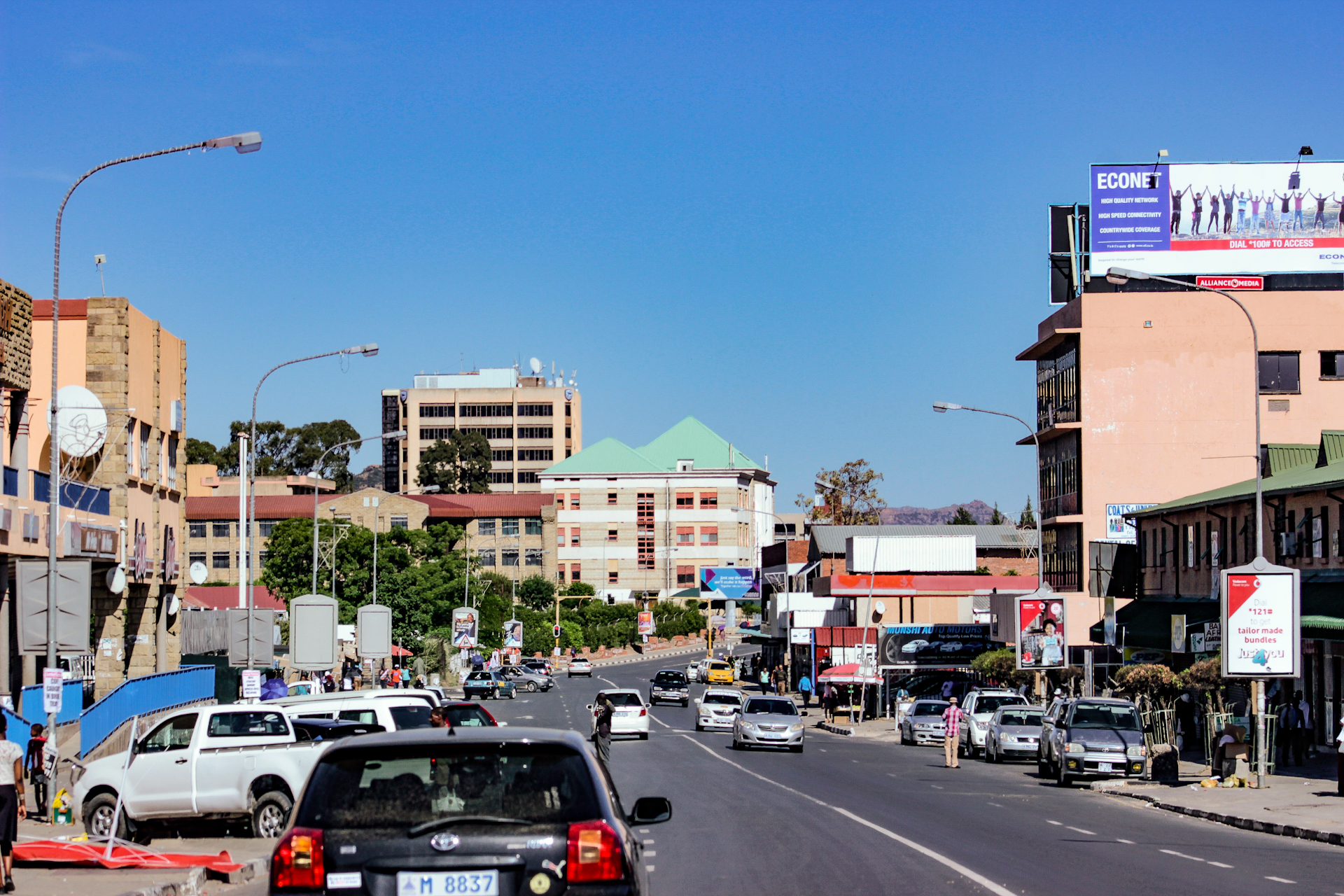
The project could also reshape Lesotho’s long-standing resource relationship with South Africa.
While the mountain kingdom buys part of its electricity from South Africa, its larger neighbour relies heavily on water transferred from the mountain kingdom’s highlands to Gauteng.
Through the Lesotho Highlands Water Project, the country supplies an estimated 60% of Johannesburg’s water needs, while revenue from the scheme makes a significant contribution to Lesotho’s economy.
That reliance is expected to deepen under Phase II of the Lesotho Highlands Water Project, which will increase annual transfers to South Africa from 780 million cubic metres to about 1.27 billion cubic metres.
Project Kobong could rebalance the relationship by enabling Lesotho to continue supplying water to South Africa while cutting electricity imports, exporting power to the regional grid and earning more from its water resources.
AI Adds A Digital Growth Angle
Beyond power generation, the inclusion of an AI data centre gives Project Kobong a wider digital ambition.
Data centres require large and reliable electricity supplies, giving Lesotho’s hydropower resources a potential advantage as demand for digital infrastructure grows across Africa.
The planned facility could give the mountain kingdom a role in the continent’s emerging AI economy, although details about its computing capacity, customers and construction schedule have not been disclosed.
Meanwhile, American exports linked to the development are expected to exceed $2 billion, creating demand for US equipment, technology and manufacturing.
If fully implemented, Project Kobong would reduce Lesotho’s exposure to imported electricity, support new digital industries and create export capacity for regional markets.