The Birth of the Sloss Furnaces Association: Preserving Birmingham’s Industrial Legacy
birminghamal.gov On Thursday, May 27, 1976, the State Fair Authority opened the Sloss Furnaces site for an informal public tour. Approximately 100 people attended, eager to walk through the massive ironmaking complex that had powered Birmingham’s growth for nearly a century. At the end of the tour, officials announced that Sloss would soon be torn […]
 Black News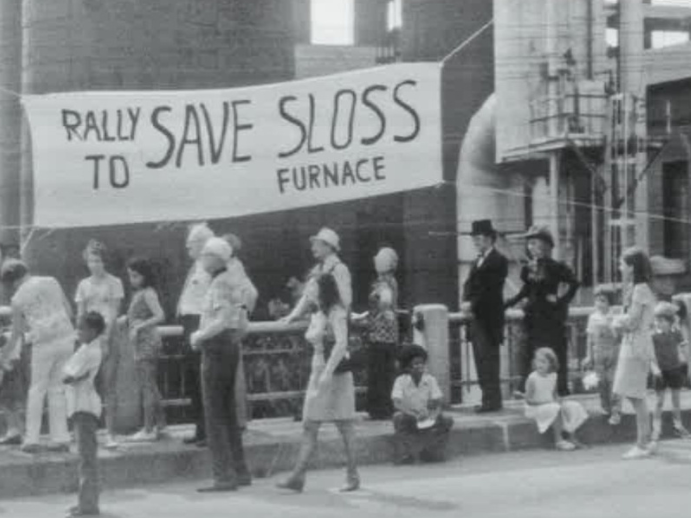
birminghamal.gov
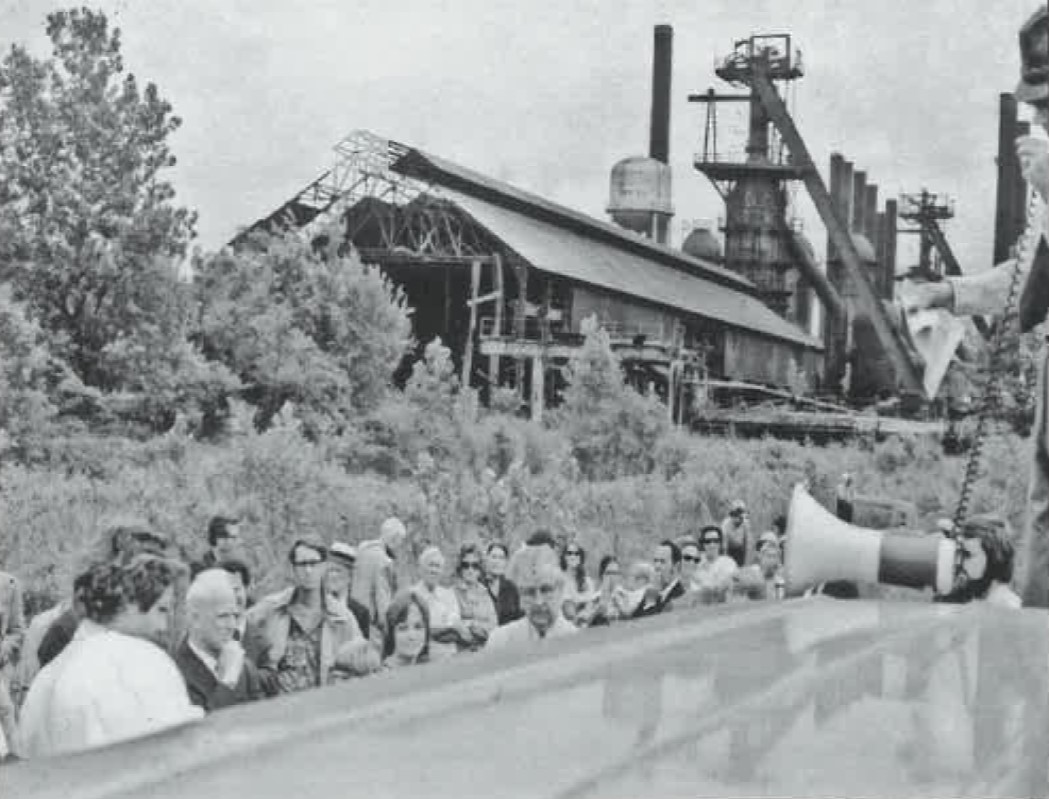
On Thursday, May 27, 1976, the State Fair Authority opened the Sloss Furnaces site for an informal public tour. Approximately 100 people attended, eager to walk through the massive ironmaking complex that had powered Birmingham’s growth for nearly a century. At the end of the tour, officials announced that Sloss would soon be torn down and sold for scrap.
In that moment of shock and disappointment, Randal Oaks stepped forward. Borrowing a bullhorn, Oaks urged anyone interested in exploring alternatives to demolition to gather at his Morris Avenue restaurant, Oaks Street, the following Saturday. His impromptu call to action ignited a rapid surge of local interest and set in motion the movement to save Sloss.
Two days later, on Saturday, May 29, 1976, sixteen passionate individuals met at Oaks Street Restaurant. Their gathering marked a pivotal moment: the official formation of the Sloss Furnaces Association, a group determined to preserve the storied legacy and industrial history of Sloss Furnaces and ensure its future as a museum and educational landmark.
Sloss Furnaces, an iconic blast furnace site that operated from 1882 to 1971, had helped define Birmingham as the “Pittsburgh of the South.” With demolition looming, the founding group recognized not only the cultural and architectural importance of the site but also its immense potential to be preserved as a museum dedicated to telling Birmingham’s iron and steel story.
Amid spirited discussion and a shared vision for the site’s future, the group elected Randal Oaks as the association’s first President. Local historians, preservationists, former workers, and civic leaders filled the room, united by a common goal: to protect Sloss Furnaces for future generations and establish it as a lasting center for industrial education and interpretation.
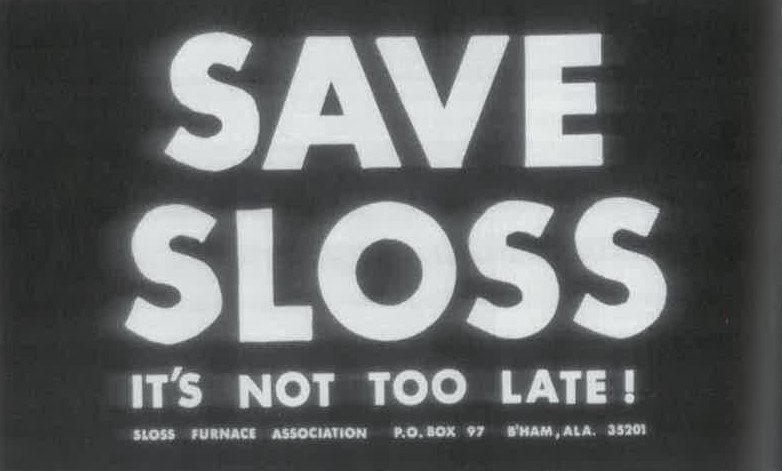
The meeting led to the drafting of the association’s charter, the launch of early fundraising efforts, and the start of outreach to community members and government leaders.
Just a few days later, on June 1, 1976, Oaks represented the Sloss Furnaces Association at a Birmingham City Council meeting. There, he formally urged the city to take possession of the Sloss site and commit to its preservation and development as a historic attraction and industrial museum. This early, decisive advocacy helped build critical momentum for saving the furnaces.
Within a few years, the association’s efforts contributed to Sloss Furnaces being designated a National Historic Landmark in 1981. Gradually, the site was transformed into a museum of industrial history, preserving its towering furnaces, machinery, and workspaces while educating visitors about Birmingham’s ironworking heritage. Today, Sloss also serves as a hub for arts programming, metal arts workshops, and cultural events, making it one of the nation’s most distinctive museum sites.
From a single bullhorn call for action to a nationally recognized historic landmark, this chapter in 1976 stands as a testament to grassroots activism and the enduring power of community vision, ensuring that Birmingham’s ironworking heritage would not be lost, but instead preserved and celebrated through the museum now known as Sloss Furnaces.