
The Malema Verdict: Is South Africa’s Justice System on Trial?
There are moments when a legal case stops being about the law and starts becoming a referendum on the system itself. The sentencing of Julius Malema – leader of the Economic Freedom Fighters – to five years in prison has become one of those moments. On paper, the case is straightforward. A firearm was discharged […] The post The Malema Verdict: Is South Africa’s Justice System on Trial? appeared first on Time Africa.
 Black News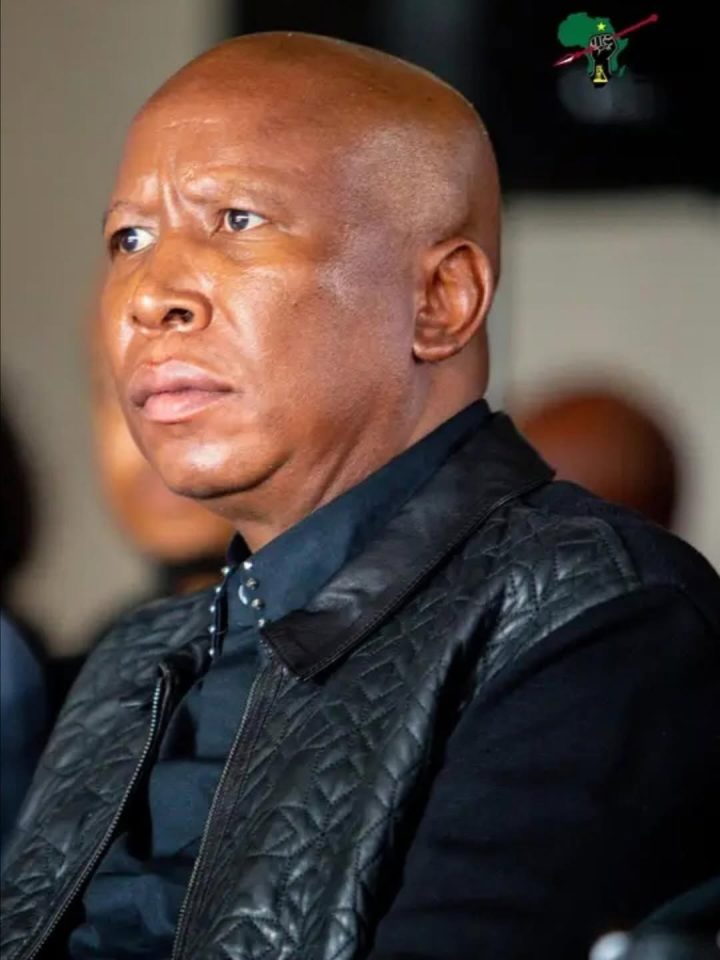


There are moments when a legal case stops being about the law and starts becoming a referendum on the system itself.
The sentencing of Julius Malema – leader of the Economic Freedom Fighters – to five years in prison has become one of those moments.
On paper, the case is straightforward. A firearm was discharged at a political rally. The conviction spans multiple offences: unlawful possession of a firearm, unlawful possession of ammunition, and discharging a weapon in a built-up area. South African law is clear – such conduct is illegal.
But justice is not measured by legality alone. It is measured by consistency. And increasingly, by timing.
A 5-Year Sentence: Justice or Precedent Breaker?
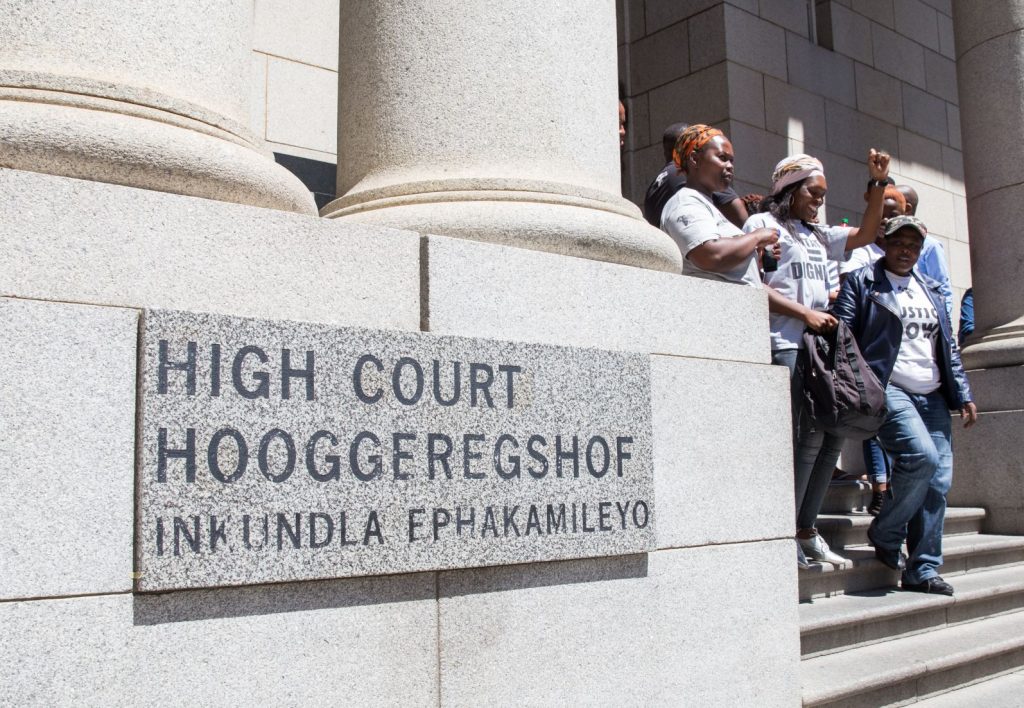
Even within the bounds of the law, punishment exists on a spectrum. In South Africa, non-lethal firearm offences – particularly those without injury – have typically resulted in fines, suspended sentences, or limited custodial penalties where aggravating factors exist.
A five-year sentence does not fall neatly within that pattern. It sits very much at its outer edge.
That does not make it unlawful. Courts are entitled to impose harsher penalties where they believe the circumstances demand it – where public safety, deterrence, or symbolic harm are at play. But when a sentence pushes the upper boundary of precedent, it does something else entirely. It invites comparison.
And comparison, in South Africa’s legal and political history, is rarely comfortable.
SA’s Two-Tier Justice? The Wouter Basson Comparison
South Africa’s democratic era has been defined, in part, by its struggle to reconcile justice with its past.
There have been cases involving serious allegations – ranging from apartheid-era crimes to corruption and political misconduct – where prosecutions have faltered, collapsed, or failed to secure convictions. Figures such as Wouter Basson, once accused of overseeing a chemical and biological warfare programme under apartheid, were ultimately acquitted in criminal court despite the gravity of the allegations. Other high-profile cases have stretched across years, slowed by procedural complexity or weakened by institutional gaps.
The point is not to equate offences. It is to highlight a pattern.
South Africa has, at times, struggled to secure decisive legal outcomes in cases of far greater historical consequence. That reality makes the speed, clarity, and severity of the Malema ruling all the more striking – and all the more scrutinised.
AfriForum’s Role: The Politics Behind the Prosecution
This case did not emerge in isolation.
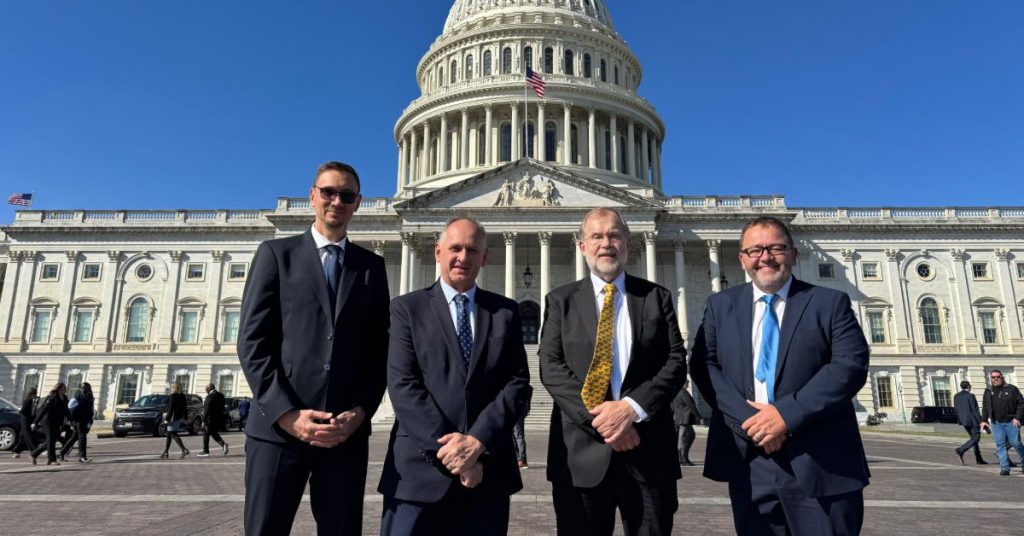
It was driven by a private prosecution initiated by AfriForum, a group regarded as part of South Africa’s far-right landscape, rooted in European history, Afrikaner nationalist advocacy, and known for its staunch opposition to policies such as land reform and broader efforts to redress structural inequality and crimes from the post-apartheid era. That context matters.
Because while private prosecutions are a legitimate mechanism within South African law, they are not perceived as politically neutral when the initiating party is itself deeply embedded in ideological contestation.
AfriForum has framed its actions as a defence of the rule of law. Critics argue that its interventions reflect a broader political agenda aligned with resisting transformative policy. The Malema case now sits directly at the intersection of those competing narratives.
And that creates a perception that cannot be easily ignored: that a politically active, far-right organisation initiated legal action against one of the country’s most politically polarising African figures – and that action has resulted in one of the most severe sentences seen for this category of offence.
The Election Factor: Why This Verdict’s Timing is Critical
This is where the case moves beyond law and into consequence.
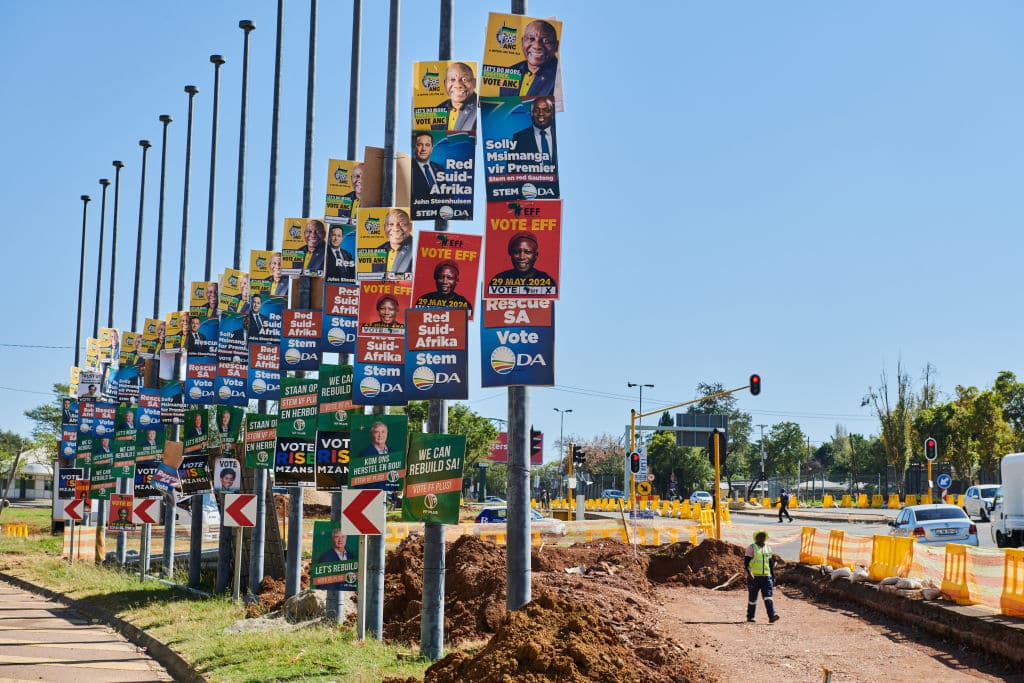
South Africa is entering an election cycle. Under its constitutional framework, a custodial sentence exceeding 12 months – without the option of a fine – can disqualify an individual from serving as a Member of Parliament.
That is not interpretation. It is structural reality.
If upheld, the sentence imposed on Malema would not only punish past conduct – it would materially reshape his political future. It would prevent him from holding parliamentary office, disrupt the leadership of his party, and potentially fracture a support base built significantly around his personal influence.
The timeline sharpens the focus further.
The incident at the centre of the case took place in 2018. Years later, as the country approaches a national election, the case reaches its most consequential moment.
There may be entirely valid legal explanations for that trajectory. Complex cases often take time to progress through the courts. But in a political environment, timing is rarely interpreted as coincidence alone.
The question, therefore, is not one of accusation, but of perception:
Why does this case reach its most decisive point now – and how will that timing be understood by the public?
A Global Spotlight: How Trump and Musk Shape the Narrative
This case is unfolding in a South Africa that is increasingly shaped by global narratives.
Figures such as Donald Trump and Elon Musk have, in recent years, amplified highly polarised portrayals of the country – particularly around race, land, and political rhetoric. Malema has often been central to those portrayals.
There is no clear evidence that such voices directly influence judicial outcomes. But influence does not need to be direct to be real. In a globally connected media environment, external narratives shape perception, political pressure, and the broader context in which domestic events are interpreted.
The Malema case exists within that context – whether the courts acknowledge it or not.
Speed,Severity,Signal
What makes this case resonate is not just the sentence itself, but the contrast it creates.
A politically exposed figure, a highly visible offence, a privately driven prosecution, and a severe custodial outcome – set against a backdrop where other, more historically significant cases have taken years to resolve or have failed to reach decisive conclusions.
That contrast does not provide answers. But it does sharpen the questions.
Why this case?
Why this outcome?
And why now?
Conclusion: Is the System Itself on Trial?
Julius Malema has appealed and remains free pending that process. The legal journey is not over.
But the significance of this case no longer rests solely on its final outcome.
It rests on how it is understood.
Because this is no longer just about a firearm or a single political figure. It is about how justice is applied, how consistently it is seen to be applied, and how timing, power, and perception shape public trust in the system itself.
In the end, the strength of any legal system is not measured only by its rulings – but by whether those rulings are believed to stand apart from the forces surrounding them.
That is the question this case now carries.
The post The Malema Verdict: Is South Africa’s Justice System on Trial? appeared first on Time Africa.









.png)


