THE READING ROOM: Colin Asher’s 'The Midnight Special: The Secret Prison History of American Music'
When I was in college, I grabbed my guitar every Sunday morning and hopped in the car with Lou for our drive to the minimum security prison in Lantana, Florida, just down the road from us. A former prisoner, Lou had decided to become a preacher, and he wanted to
 Black News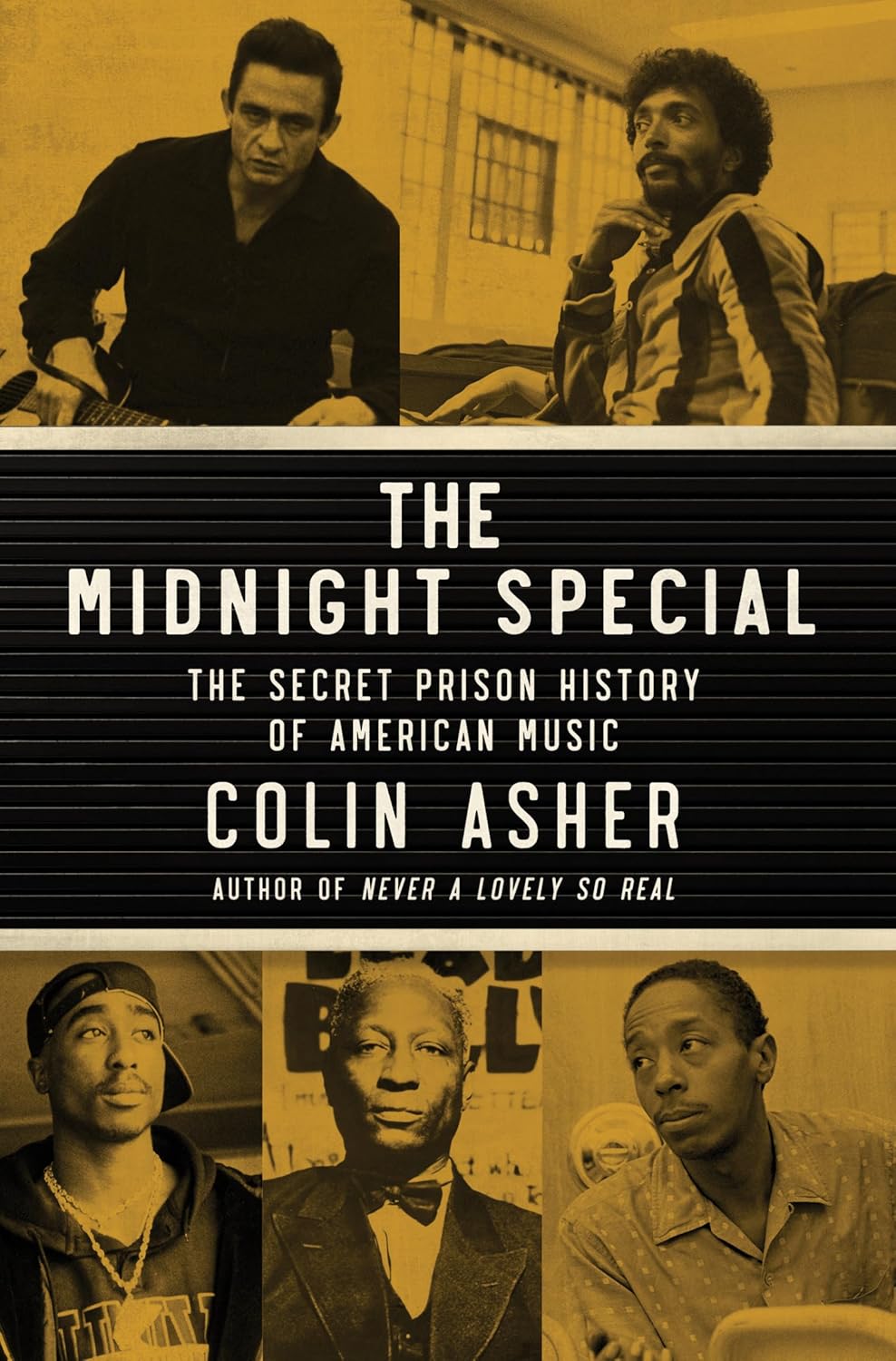

When I was in college, I grabbed my guitar every Sunday morning and hopped in the car with Lou for our drive to the minimum security prison in Lantana, Florida, just down the road from us. A former prisoner, Lou had decided to become a preacher, and he wanted to share his own story of redemption with those still incarcerated. He started a prison ministry in Lantana and set up regular Sunday morning Bible classes and services. Given that I was playing in both a rock band and a Jesus band at the time, Lou asked me to join him to sing and play guitar or piano. I was a little reluctant at first since I was struggling with my own religious identity, and since I knew about four gospel songs. Those mornings—and other times that I played in maximum security prisons—changed me. I had the chance to see on those mornings the ways that, as Colin Asher puts in his riveting new book The Midnight Special: The Secret Prison History of American Music (Norton, June 30, 2026), music enabled men to speak “about retaining their humanity, connecting, healing.”
In the five main chapters of his book, Asher looks deeply into the repressions and degradation of the prison system in America and the ways it continues to punish some incarcerated individuals more severely than others based on their race. Because of the United States’ long history with segregation, this is hardly news, of course, but Asher’s genius is to examine the persistent strains of music that have emerged from prisoners as they struggle to reclaim their humanity. Judicious and incisive, Asher observes, “There’s a repressive stain present in the American psyche—a fearful instinct, rooted partly in our history of slavery, that breeds distrust and leads us to legislate and police away our freedoms. That tendency has driven us to amass the world’s largest incarcerated population—but it coexists, dissonantly, with an unparalleled creative drive that has gifted a grateful world the blues, jazz, country, rock, soul, and hip-hop.”