This lady wants Kenya and Tanzania to pay the UK for colonizing them
Apparently, the Former UK Home Secretary Suella Braverman is arguing that former British colonies, including Tanzania, Kenya, Somalia and other African nations, should compensate Britain rather than demand reparations for colonialism.
 Black News

Should Tanzania Kenya, Somalia and Other Former British Colonies pay the United Kingdom for colonizing them?
It sounds funny, weird and totally misplaced
However, the former British Home Secretary is now demanding reparations from these previous British colonies
Her outburst is sparking controversy worldwide much of it from angry people.
Apparently, the Former UK Home Secretary Suella Braverman is arguing that former British colonies, including Tanzania, Kenya, Somalia and other African nations, should compensate Britain rather than demand reparations for colonialism.
Writing on social media, Braverman dismissed growing calls for Britain to pay reparations to countries affected by slavery and colonial rule.
Instead, responding to reports that Jamaica plans to seek reparations from the British Crown, she argued that modern-day Britons should not be held financially responsible for actions committed centuries ago.
Braverman claimed the British Empire invested heavily in its colonies by building infrastructure, legal systems and institutions that later became the foundation of many modern states.
“If the government is seriously thinking about this, then former colonies should pay the British back for the considerable investment, effort and contribution that this country made,” she wrote.
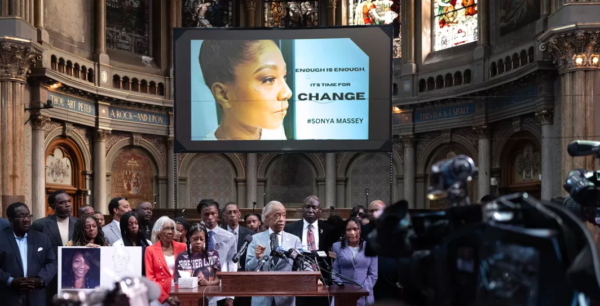
Her remarks quickly triggered widespread criticism from historians, politicians and social media users, many of whom argued that Britain’s colonial expansion was built on economic exploitation, forced labor and the extraction of wealth from colonized territories.
Others defended Braverman’s comments, insisting present-day Britain should not bear responsibility for historical injustices and pointing to Britain’s role in abolishing the transatlantic slave trade during the nineteenth century.
The debate has renewed discussion across Africa and the Caribbean over the legacy of British colonial rule, with countries such as Kenya and Tanzania continuing to seek greater recognition of abuses committed during the colonial era.
Braverman’s comments have once again placed reparations and Britain’s colonial legacy at the centre of international political debate.
But who is Suella Braverman?
Her mother, Uma Fernandes, is of Tamil Mauritian heritage (from Mauritius).
Her father, Christie Fernandes, is of Goan ancestry.
He was born in Kenya to parents who had emigrated from Goa, India.
Some of the people who commented including Dher Pap Sudhe say the British colonies played a bit role in rebuilding Britain even during and after World war.
The colonies provided essential economic and physical support.
The British Empire supplied vital raw materials, forced and paid labor, and accumulated massive sterling balances owed to them. Furthermore, immigrants from the colonies were crucial in physically rebuilding Britain’s post-war economy and establishing the National Health Service.
Here is how the colonies significantly contributed to rebuilding and sustaining Britain after the world wars:
The “Windrush” Generation: Following World War II, Britain suffered massive labor shortages.
Workers from the Caribbean and other parts of the empire relocated to the UK. They filled critical roles in transport and manufacturing.
Britain was heavily dependent on its empire for raw materials like, cotton, bauxite, timber, and minerals among many to rebuild its devastated domestic infrastructure.
Even the East Africa railway line was strategically done to open interior to take raw materials to coastal port of Kenya (Mombasa) to Europe.
Local populations in Africa, India, and the Caribbean were relied upon to keep production levels high, sometimes under coercive labor conditions.
Financial Contributions: During the war, colonies produced vast amounts of supplies.
This generated approximately £454 million in “sterling balances” by the war’s end—essentially money and resources Britain owed to the colonies for their produce and labor, which helped stabilize the UK.
Military Infrastructure: Thousands of individuals in the colonies were conscripted and employed to build military installations, airfields (such as the US air-ferry service bases in the Caribbean), and naval ports to keep allied supply lines moving.
Mohamed Farah Abdi reminds that Subject paid taxes, which they did not benefited from there was force Labor.
The British looted mineral and other resources from it colonies to build Britain, without looting from its colonies Britain could not have been what it is today
Many Africans served as soldiers in King’s Africa Rifles regiments and lost their lives during the First and Second world war in Burma, fighting for the British government in a war they had nothing to do with and their families were not compensated, if Germany are paying Israel up to today for the holocaust why not compassionate former colonies for historical injustices and slavery