Uganda’s Junior Rugby Sevens Cranes: Heart, History and a first Try at Youth Olympic Games
For Uganda’s Junior Rugby Sevens Cranes, the opening day of the Dakar 2026 Youth Olympic Games was a baptism of fire. Thrown into a pool featuring some of the biggest names in youth rugby, the young Ugandans were left with little room to breathe, but they refused to let the occasion overwhelm them. Coached by […] The post Uganda’s Junior Rugby Sevens Cranes: Heart, History and a first Try at Youth Olympic Games appeared first on Kawowo Sports.
 Black News
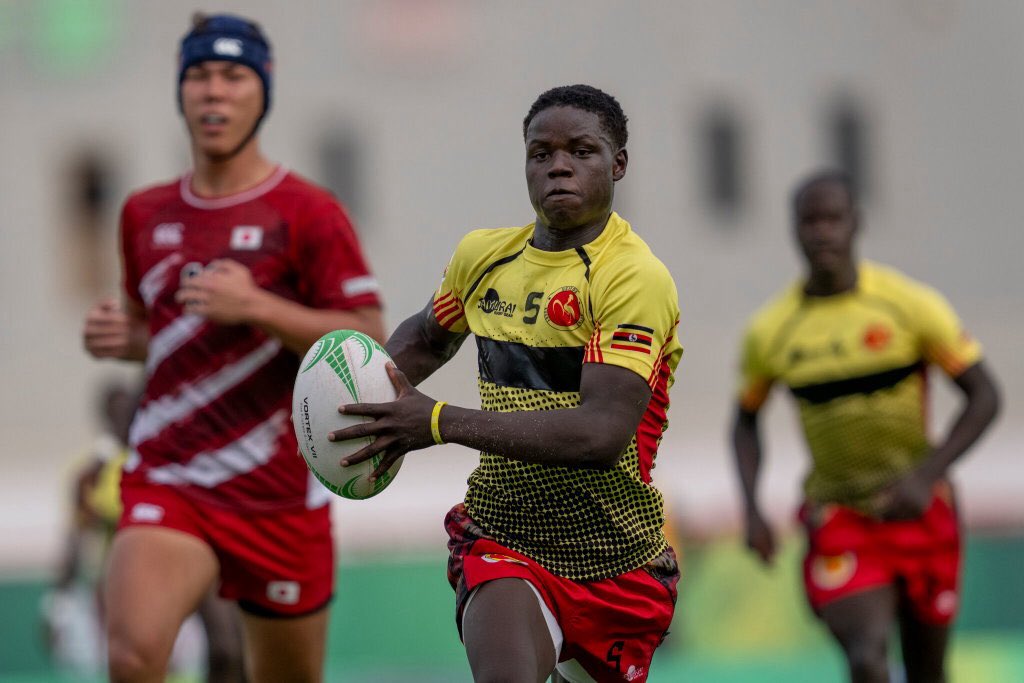

For Uganda’s Junior Rugby Sevens Cranes, the opening day of the Dakar 2026 Youth Olympic Games was a baptism of fire. Thrown into a pool featuring some of the biggest names in youth rugby, the young Ugandans were left with little room to breathe, but they refused to let the occasion overwhelm them.
Coached by Peter Ochol, the team faced France, Argentina and Japan in Pool B, a formidable trio that presented one of the toughest tests of Uganda’s maiden Youth Olympic Games campaign. France and Argentina, both tournament favourites, arrived with formidable reputations, while Japan offered another stern examination of Uganda’s resilience.
The scoreboard was unforgiving, but the Junior Rugby Sevens Cranes were not short of heart.
Uganda opened their campaign against Argentina, falling 49-0 before suffering a 58-0 defeat to France. The French encounter was particularly demanding, with the European side running in 10 tries to underline their strength and attacking prowess.
Yet, for a team making history as Uganda’s first team sport to represent the country at the Youth Olympic Games, the challenge was about more than just the numbers. It was about stepping onto the international stage, testing themselves against the best and proving that Uganda’s rugby future has something to offer.
The defining moment of Uganda’s pool campaign came against Japan, when Almadi Otema found a gap in the Japanese defence and crossed the try line to put Uganda on the scoreboard.
Captain Shafik Okole followed with a successful conversion, turning Otema’s effort into seven valuable points.
For the players, the small Ugandan delegation in the stands and everyone following the team back home, those seven points meant far more than their numerical value. They were a statement of belief, a moment of pride and a reminder that even against elite opposition, Uganda could find a way through.
Otema’s try was a breakthrough that demonstrated the young side’s attacking potential. Japan, however, responded with the experience and composure expected of a strong rugby nation, eventually securing a 41-7 victory. The Japanese scored seven tries, with three successful conversions, while Uganda’s solitary try and conversion remained the highlight of the contest.
The defeat was Uganda’s third in the pool, but unlike the earlier encounters against France and Argentina, this time the scoreboard carried a Ugandan imprint.
Uganda’s participation in the Dakar 2026 Youth Olympic Games carries a significance that stretches beyond the rugby pitch.
As the first team sport to represent Uganda at the Youth Olympics, the Junior Rugby Sevens Cranes are breaking new ground for the country’s team sports. Their presence in Dakar is an important milestone for Ugandan rugby and an opportunity for the next generation to gain valuable international exposure.
Facing France, Argentina and Japan in a single pool was never going to be an easy assignment. But the experience of competing against these nations, absorbing the pressure and finding a way to score offers important lessons for the young players.
The Junior Rugby Sevens Cranes now turn their attention to the 5th-8th place playoffs, where Germany awaits. The match, scheduled for Monday, November 2, offers Uganda an opportunity to regroup, rediscover their attacking confidence and build on the breakthrough against Japan.
The German side will present another demanding test, but Uganda will enter the encounter with something they did not have at the start of their campaign: a taste of scoring at the Youth Olympic Games.
Otema’s try and Okole’s conversion have given the team a moment to build around. The next step is to translate that spark into a stronger collective performance.
They may have endured a bruising introduction to Youth Olympic rugby, but they have also made history, found the try line and given Ugandan rugby something to build on. With Germany next on the schedule, the Cranes still have another opportunity to make their mark.
The post Uganda’s Junior Rugby Sevens Cranes: Heart, History and a first Try at Youth Olympic Games appeared first on Kawowo Sports.