Uganda’s Sovereignty Law ‘Looking At Bobi Wine’: MP
Black Star News Photos: YouTube Screenshots|Wikimedia Commons “Honorable colleagues, this is an historic Bill. And I am saying an historic Bill because it is our last Bill of the 11th Parliament…House adjourned Sine die [without a date fixed as of an adjournment],” Parliament Speaker Anita Among, declared at 2042 hours (1742GMT) after passing the Protection of Sovereignty Bill, 2026 on the night of May 5. The 11th Parliament (May 2021-May 2026) term elapses on May 12 when Gen Yoweri Museveni is sworn-in for the seventh consecutive elective term in office. In the morning prior to the plenary sitting of Parliament in the afternoon, the Government Chief Whip/NRM Parliamentary Caucus Chairperson, Denis Hamson Obua, issued a statement, thus reading, in part; “We members of the National Resistance Movement (NRM) Parliamentary Caucus, meeting at the Office of the President Conference Hall on Tuesday, 5th May 2026; recognizing the imperative obligation of safeguarding Uganda’s sovereignty, national security, constitutional order, and socio-economic stability in an increasingly complex global and domestic environment;…acting in the spirit of consensus, cohesion, and collective responsibility; hereby resolve to support the harmonized position of Government regarding the Protection of Sovereignty Bill, 2026 in Parliament.” A May 5 Minority Report from the Office of the Leader of Opposition (LoP) opposing the majority committee’s position on the Protection of Sovereignty Bill,2026, argued that the Bill was being rushed through Parliament without proper procedure, consultation, and adherence to parliamentary rules. The report criticizes the committee process itself, highlighting procedural irregularities, suppression of debate and lack of impartiality by leadership, which undermined proper scrutiny of the Bill. It cautioned that laws can be used as instruments of oppression if not carefully crafted, warning that the current Bill risks reversing democratic progress and shifting power away from the people. The LoP said that the Bill “is unconstitutional, vague, and potentially harmful to Uganda’s economy, society and political system”. According to the LoP, the Bill threatens property rights, restricts freedom of expression and civic participation and duplicates existing laws pointing out that many stakeholders rejected the Bill, citing risks to investment, financial systems and everyday economic activities. Though largely ignored, the LoP report recommended that the “Bill be withdrawn and returned to the Executive for proper consultation and redrafting”, or else, he feared, “it in its current form could lead to serious legal, economic, and governance consequences”. On May 4, Citizens’ Coalition addressed the nation on the Protection of Sovereignty Bill, 2026. And their position was clear: “This Bill is against the sovereignty of the people of Uganda and must be withdrawn. Article 1 of the Constitution: ‘All power belongs to the people.’ Sovereignty belongs to citizens. Not the Executive. Not a Ministry. Not a party. A law that silences citizens and makes public participation dangerous is not a sovereignty law. Parliament must defend the people and reject the Sovereignty Bill,” they implored. The law, it is said, muzzles NGOs, journalists and human rights groups. Citizen plea, however, fell on ‘deaf’ ears. With about 98% of Ugandans and 51 out of 53 groups rejecting the Bill, the ruling NRM-dominated august House, in passing the Bill, “Right now they are looking at Bobi Wine who is out of the country where they think he is mobilizing a lot of money. So, they think he should come back when this law is in place,” lawmaker Gilbert Olanya, member of the Joint Parliamentary Committee that scrutinized the Bill, told Kampala-stationed Radio One Spectrum program on May 4. “According to Parliamentary Rules of Procedures, the Bill should take 45 days with the Committee, but this Bill was given to us in just two weeks,” MP Olanya lamented. Bobi Wine, real-named Robert Kyagulanyi Ssentamu, the leader of the main Opposition National Unity Platform, gave the incumbent, Gen Yoweri Museveni sleepless nights in the 2021 and 2026 presidential contests in which the latter retained the presidency with the former disputing results in both elections. Kyagulanyi then went into hiding for two months after casting his ballot on January 15, 2026 fearing imminent security arrest; only to resurface in European capitals. He is reported to be in the US where he had promised to return to Uganda on May 1, but nowhere to be seen yet. According to the Minority Report presented during Plenary Sitting on May 5 by the Shadow minister of Justice and Constitutional Affairs, and member of the Joint Committee that scrutinized the Bill, Jonathan Odur, the Protection of Sovereignty Bill, 2026 was rejected by the majority of stakeholders during public hearings. The report notes that several institutions, including Bank of Ugand
 Black News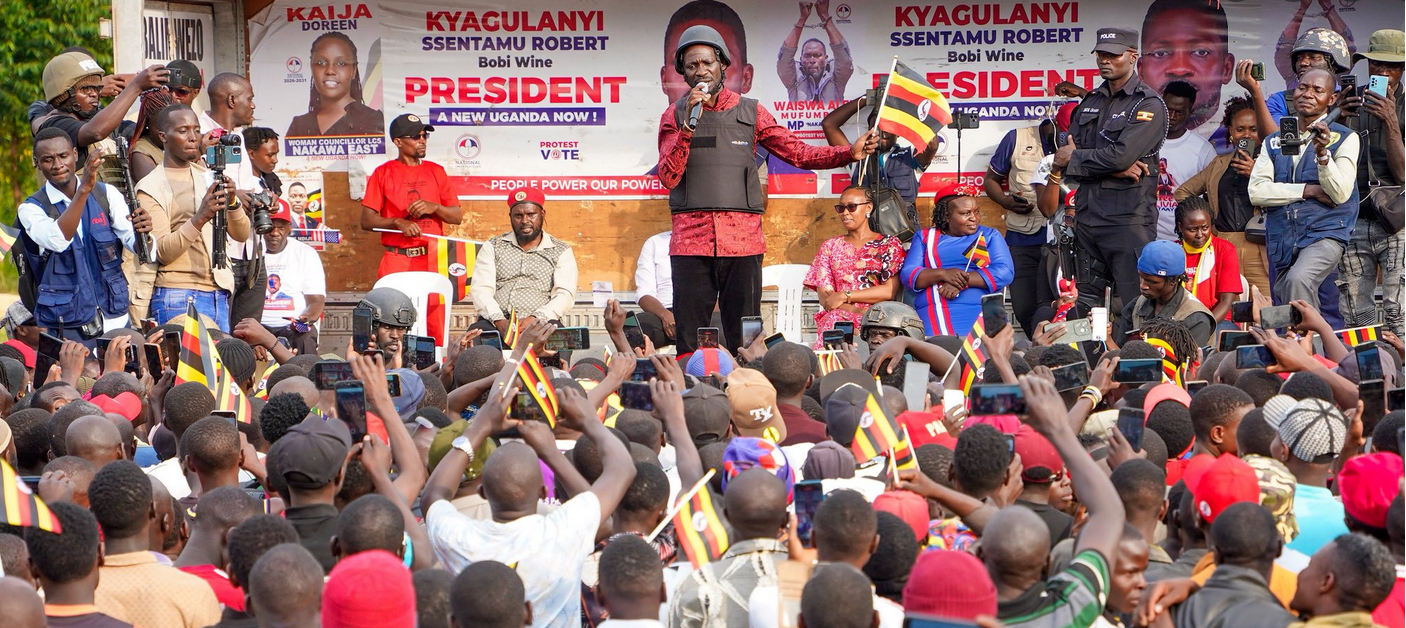
Black Star News
Photos: YouTube Screenshots|Wikimedia Commons
“Honorable colleagues, this is an historic Bill. And I am saying an historic Bill because it is our last Bill of the 11th Parliament…House adjourned Sine die [without a date fixed as of an adjournment],” Parliament Speaker Anita Among, declared at 2042 hours (1742GMT) after passing the Protection of Sovereignty Bill, 2026 on the night of May 5. The 11th Parliament (May 2021-May 2026) term elapses on May 12 when Gen Yoweri Museveni is sworn-in for the seventh consecutive elective term in office.

In the morning prior to the plenary sitting of Parliament in the afternoon, the Government Chief Whip/NRM Parliamentary Caucus Chairperson, Denis Hamson Obua, issued a statement, thus reading, in part; “We members of the National Resistance Movement (NRM) Parliamentary Caucus, meeting at the Office of the President Conference Hall on Tuesday, 5th May 2026; recognizing the imperative obligation of safeguarding Uganda’s sovereignty, national security, constitutional order, and socio-economic stability in an increasingly complex global and domestic environment;…acting in the spirit of consensus, cohesion, and collective responsibility; hereby resolve to support the harmonized position of Government regarding the Protection of Sovereignty Bill, 2026 in Parliament.”
A May 5 Minority Report from the Office of the Leader of Opposition (LoP) opposing the majority committee’s position on the Protection of Sovereignty Bill,2026, argued that the Bill was being rushed through Parliament without proper procedure, consultation, and adherence to parliamentary rules. The report criticizes the committee process itself, highlighting procedural irregularities, suppression of debate and lack of impartiality by leadership, which undermined proper scrutiny of the Bill. It cautioned that laws can be used as instruments of oppression if not carefully crafted, warning that the current Bill risks reversing democratic progress and shifting power away from the people. The LoP said that the Bill “is unconstitutional, vague, and potentially harmful to Uganda’s economy, society and political system”.
According to the LoP, the Bill threatens property rights, restricts freedom of expression and civic participation and duplicates existing laws pointing out that many stakeholders rejected the Bill, citing risks to investment, financial systems and everyday economic activities. Though largely ignored, the LoP report recommended that the “Bill be withdrawn and returned to the Executive for proper consultation and redrafting”, or else, he feared, “it in its current form could lead to serious legal, economic, and governance consequences”.
On May 4, Citizens’ Coalition addressed the nation on the Protection of Sovereignty Bill, 2026. And their position was clear: “This Bill is against the sovereignty of the people of Uganda and must be withdrawn. Article 1 of the Constitution: ‘All power belongs to the people.’ Sovereignty belongs to citizens. Not the Executive. Not a Ministry. Not a party. A law that silences citizens and makes public participation dangerous is not a sovereignty law. Parliament must defend the people and reject the Sovereignty Bill,” they implored.
The law, it is said, muzzles NGOs, journalists and human rights groups.
Citizen plea, however, fell on ‘deaf’ ears. With about 98% of Ugandans and 51 out of 53 groups rejecting the Bill, the ruling NRM-dominated august House, in passing the Bill, “Right now they are looking at Bobi Wine who is out of the country where they think he is mobilizing a lot of money. So, they think he should come back when this law is in place,” lawmaker Gilbert Olanya, member of the Joint Parliamentary Committee that scrutinized the Bill, told Kampala-stationed Radio One Spectrum program on May 4. “According to Parliamentary Rules of Procedures, the Bill should take 45 days with the Committee, but this Bill was given to us in just two weeks,” MP Olanya lamented.
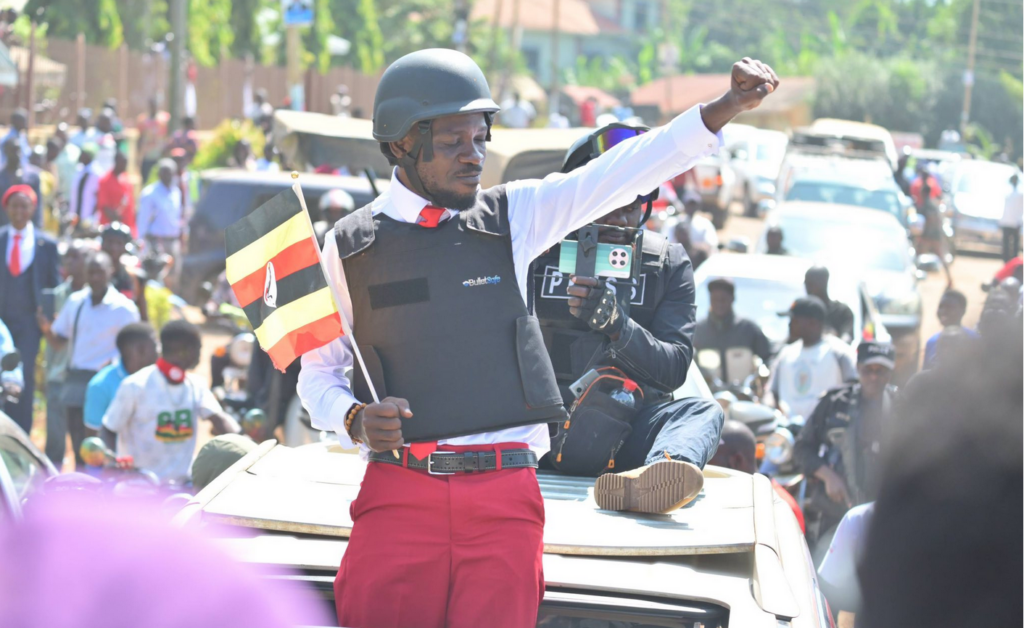
Bobi Wine, real-named Robert Kyagulanyi Ssentamu, the leader of the main Opposition National Unity Platform, gave the incumbent, Gen Yoweri Museveni sleepless nights in the 2021 and 2026 presidential contests in which the latter retained the presidency with the former disputing results in both elections. Kyagulanyi then went into hiding for two months after casting his ballot on January 15, 2026 fearing imminent security arrest; only to resurface in European capitals. He is reported to be in the US where he had promised to return to Uganda on May 1, but nowhere to be seen yet.
According to the Minority Report presented during Plenary Sitting on May 5 by the Shadow minister of Justice and Constitutional Affairs, and member of the Joint Committee that scrutinized the Bill, Jonathan Odur, the Protection of Sovereignty Bill, 2026 was rejected by the majority of stakeholders during public hearings. The report notes that several institutions, including Bank of Uganda and civil society organisations, raised concerns about the Bill’s economic and constitutional implications. Key among MP Odur’s dissenting Minority Report was that the changes introduced in the Bill substantially altered the original nature of the Bill and therefore should have been formally tabled and re-introduced for referral to the Joint Committee.
In his Minority Report to Parliament on Plenary Sitting, Medard Ssegona said the Sovereignty Bill “is misconceived and lacks constitutional basis”.
As a member of the Legal and Parliamentary that scrutinized the Bill, Ssegona said the Constitution guarantees the sovereignty of the people of Uganda, not the sovereignty of the State and that existing laws are silent on such a concept. He added that the Protection of Sovereignty Bill, 2026 does not cure any identifiable mischief; noting that it was stakeholders who appeared before the Joint Committee on Defence and Internal Affairs; and Legal and Parliamentary Affairs, “and even its purported sponsor”.
As passed, Clause 13 of the Protection of Sovereignty Bill now prohibits economic sabotage which attracts a fine of Shs2 billion (over US$556,000) for legal entities and Shs1 billion (about US$278,000) for individuals, or 10 years’ imprisonment. Economic sabotage, according to the passed Bill, refers to an agent of a foreigner who knowingly publishes false information or participates in any disruptive act that weakens, undermines or damages the economic system of Uganda.
Museveni has always branded his government critics and critical media houses and journalists “economic saboteurs scaring away his investors”.
On the declaration of the sources of foreign funding, Parliament amended Clause 21 of the Bill to restrict it only to “agents of foreigners”. The passed Bill refines key definitions; narrowing whoever qualifies to be an “agent of a foreigner” and also clarifies in setting out activities covering political engagement, funding and representation of foreign interests in the country.