URSB Pushes Centralised Entity Register to End Fragmentation, Boost Accountability
The Uganda Registration Services Bureau (URSB) has unveiled an ambitious plan to overhaul how businesses and organisations are identified and regulated, in a move aimed at eliminating long-standing inefficiencies caused by fragmented registration systems. At the heart of the reform is the newly established Non-Individual Register (NIR), a centralized database expected to bring all entities […] The post URSB Pushes Centralised Entity Register to End Fragmentation, Boost Accountability appeared first on Daily Star.
 Black News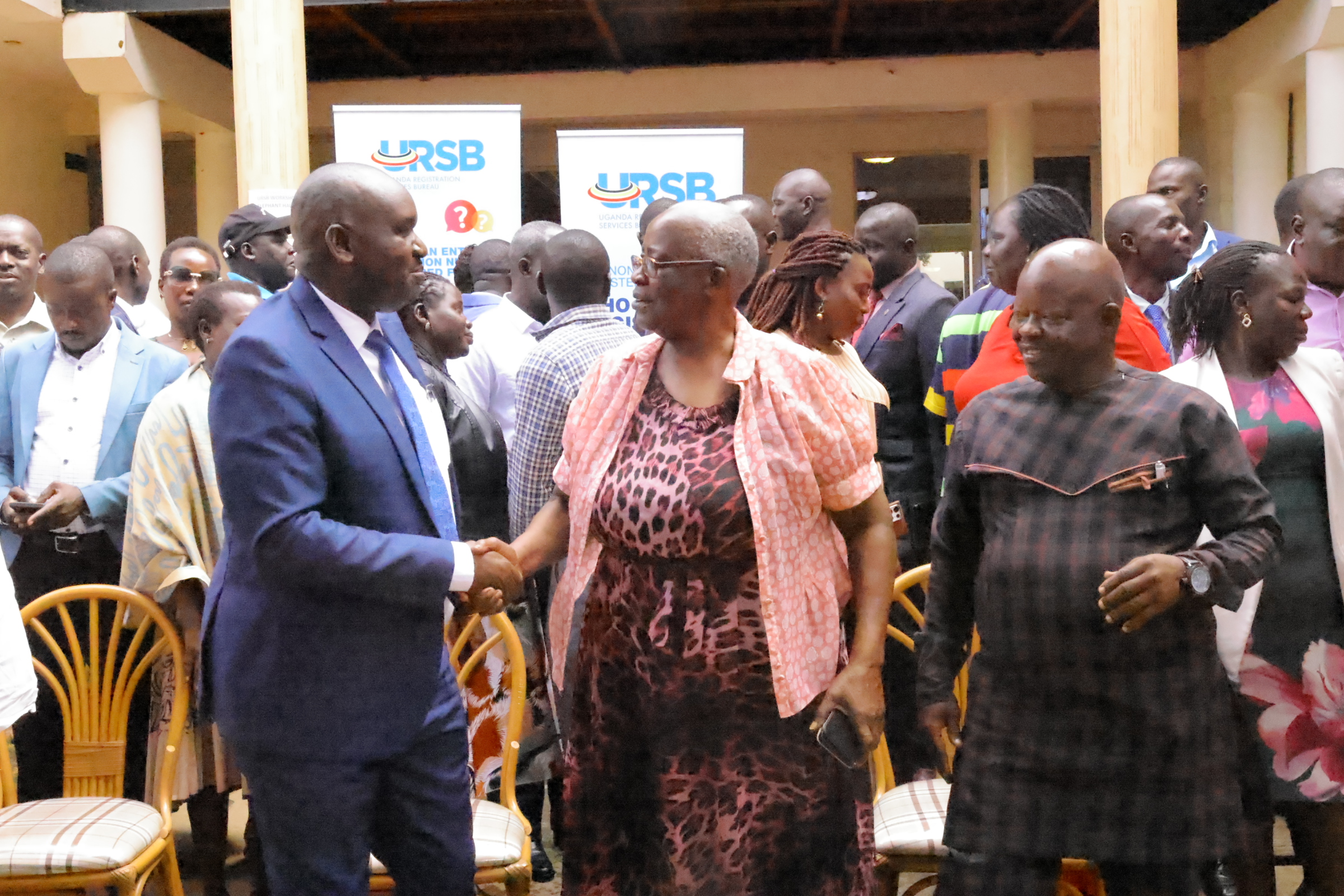
The Uganda Registration Services Bureau (URSB) has unveiled an ambitious plan to overhaul how businesses and organisations are identified and regulated, in a move aimed at eliminating long-standing inefficiencies caused by fragmented registration systems.
At the heart of the reform is the newly established Non-Individual Register (NIR), a centralized database expected to bring all entities operating in Uganda under one unified system.
URSB officials say the initiative marks a turning point in government efforts to streamline data, improve coordination, and enhance transparency across both public and private sectors.
Speaking during a stakeholder engagement in Gulu City, URSB Deputy Registrar General Alex Anganya described the reform as a “significant leap” toward modernising Uganda’s business environment.
“For years, entities have been registered across multiple agencies, creating duplication, inconsistencies, and inefficiencies,” Anganya noted. “The Non-Individual Register changes that by introducing a single, reliable source of truth.”
Under the new system, every registered entity from companies and NGOs to cooperatives and partnerships will be assigned a unique Entity Registration Number (ERN), enabling seamless identification across government platforms.
The reform is backed by amendments to the Tax Procedure Code Act in 2025, which formally mandated URSB to issue ERNs upon registration into the central database.
Officials argue that beyond improving administrative efficiency, the reform could unlock economic opportunities for thousands of informal and semi-formal groups that have struggled to access financial services due to lack of proper identification.
“Formalisation is not just about compliance, it is about opportunity,” Anganya emphasised. “Entities that are properly registered gain credibility, access to financing, government contracts, and markets.”
Local leaders have welcomed the move, describing it as critical to strengthening governance and service delivery.
Peter Banya, Deputy Resident City Commissioner for Laroo-Pece Division, said the success of the initiative will depend on collective effort from all stakeholders.
“This is a shared responsibility. If implemented well, this system will transform how institutions interact and deliver services,” he said.
Civil society actors, particularly those working with grassroots groups, say the reform could address persistent barriers faced by farmer organisations and community-based groups.
Beatrice Lakot, a civil society representative, noted that the absence of a unified identification system has long hindered access to credit and institutional support.
“Many farmer groups exist, but without legal identity, financial institutions have found it difficult to engage them,” Lakot explained. “The ERN will bridge that gap and make transactions with government and lenders much easier.”
The rollout of the Non-Individual Register comes at a time when Uganda is pushing for increased formalisation of its economy, particularly among small and medium enterprises.
Stakeholders attending the Gulu engagement including local government officials, civil society organisations, and private sector players expressed cautious optimism, noting that while the system holds promise, its impact will depend on effective implementation and widespread adoption.
The post URSB Pushes Centralised Entity Register to End Fragmentation, Boost Accountability appeared first on Daily Star.