U.S. expands Ebola response in Africa as Uganda joins talks on treatment hub for Americans
The United States is in discussions with Uganda to expand its Ebola containment strategy in Africa, after Washington approached Kampala about establishing a treatment facility for American citizens on the continent amid growing concerns over the rapidly worsening outbreak in Central Africa.
 Black News
The United States is in discussions with Uganda to expand its Ebola containment strategy in Africa, after Washington approached Kampala about establishing a treatment facility for American citizens on the continent amid growing concerns over the rapidly worsening outbreak in Central Africa.
- The U.S is planning to set up Ebola treatment facilities in Africa for American citizens, with Uganda expressing readiness to host such a center.
- Uganda has the expertise and infrastructure required for Ebola treatment and has worked with international partners to build its response capabilities.
- This U.S. strategy represents a shift from previous outbreaks, prioritizing regional containment in Africa instead of evacuating patients to the U.S.
- Similar talks are underway with Kenya to establish treatment and quarantine centers amid fears of the outbreak.
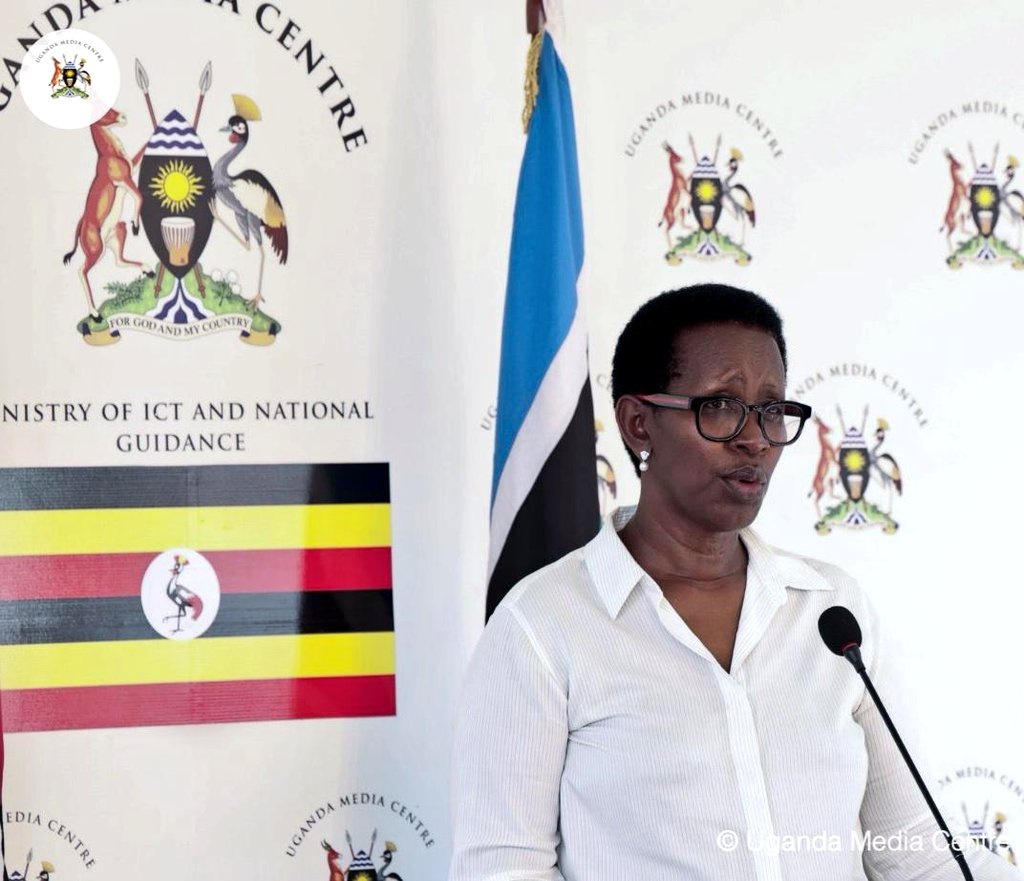
The disclosure was made during a BBC interview with Uganda’s Permanent Secretary at the Ministry of Health, Diana Atwine, placing Uganda among a growing number of African countries being considered in Washington’s regional Ebola response strategy.
According to the Ugandan Permanent Secretary, the United States has approached Uganda about the possible establishment of an Ebola treatment facility for American citizens in Africa, with Kampala indicating its readiness to support the initiative.
DON'T MISS THIS: Trump picks Kenya as proposed Ebola quarantine hub for high-risk and exposed American citizens
Atwine said Uganda possesses the expertise, infrastructure, and trained medical professionals required to manage such a facility, although U.S. authorities are still assessing the most suitable location for the center.
Addressing concerns about why African countries should host treatment facilities for citizens of other nations, Atwine stressed that Ebola remains a global health threat that requires collective action.
“No one is safe until everyone is safe,” she said, adding that because the outbreak originated in Africa, “we as Africans must deal with it in Africa.”
She further explained that Uganda’s Ebola response has not been carried out in isolation, noting that the country has received support from several international partners that have helped establish laboratories, treatment centers, and emergency response infrastructure across the country.
Uganda has long been regarded as one of Africa’s most experienced countries in handling Ebola outbreaks, having dealt with multiple epidemics over the years through rapid surveillance systems, isolation facilities, and community-based containment measures.
US-Kenya partnership takes shape amid Ebola crisis
The development follows reports that the Trump administration is already in talks with Kenya to establish a quarantine and treatment center for Americans exposed to Ebola in the Democratic Republic of Congo (DRC).
The proposed facilities are part of a broader U.S. strategy aimed at preventing Ebola cases from reaching American soil while still providing treatment options for U.S. citizens and personnel stationed in Africa.
U.S. shifts Ebola response strategy to Africa
The approach marks a significant shift from previous Ebola outbreaks, including the 2014 West Africa crisis, when infected Americans were often evacuated back to the United States for treatment in specialised bio-containment facilities.
This time, Washington appears to be prioritising regional containment and offshore treatment infrastructure.
“We cannot and will not allow any cases of Ebola to enter the United States,” U.S. Secretary of State Marco Rubio said during a cabinet meeting this week.
DON'T MISS THIS: Africa on edge as Ebola outbreak threatens 10 countries and triggers global alarm
The Ebola outbreak, linked to the rare Bundibugyo strain for which no approved vaccine currently exists, has already spread across parts of the DRC and Uganda. The World Health Organization has declared the outbreak a public health emergency of international concern.
Uganda has so far confirmed multiple Ebola cases, including infections among healthcare workers in Kampala.
The U.S. has also imposed temporary travel restrictions affecting travelers from the DRC, Uganda, and South Sudan, while increasing airport screenings and deploying additional health personnel to the region.
Health experts, however, have raised concerns that the strategy could discourage medical volunteers and shift attention away from investing directly in outbreak containment within affected African communities.