U.S. unlocks access to stranded Russian oil cargoes as African fuel importers eye gains
African fuel importers are expected to gain short-term access to additional crude supply after the United States announced a temporary measure allowing certain countries to purchase Russian oil cargoes currently stranded at sea.
 Black News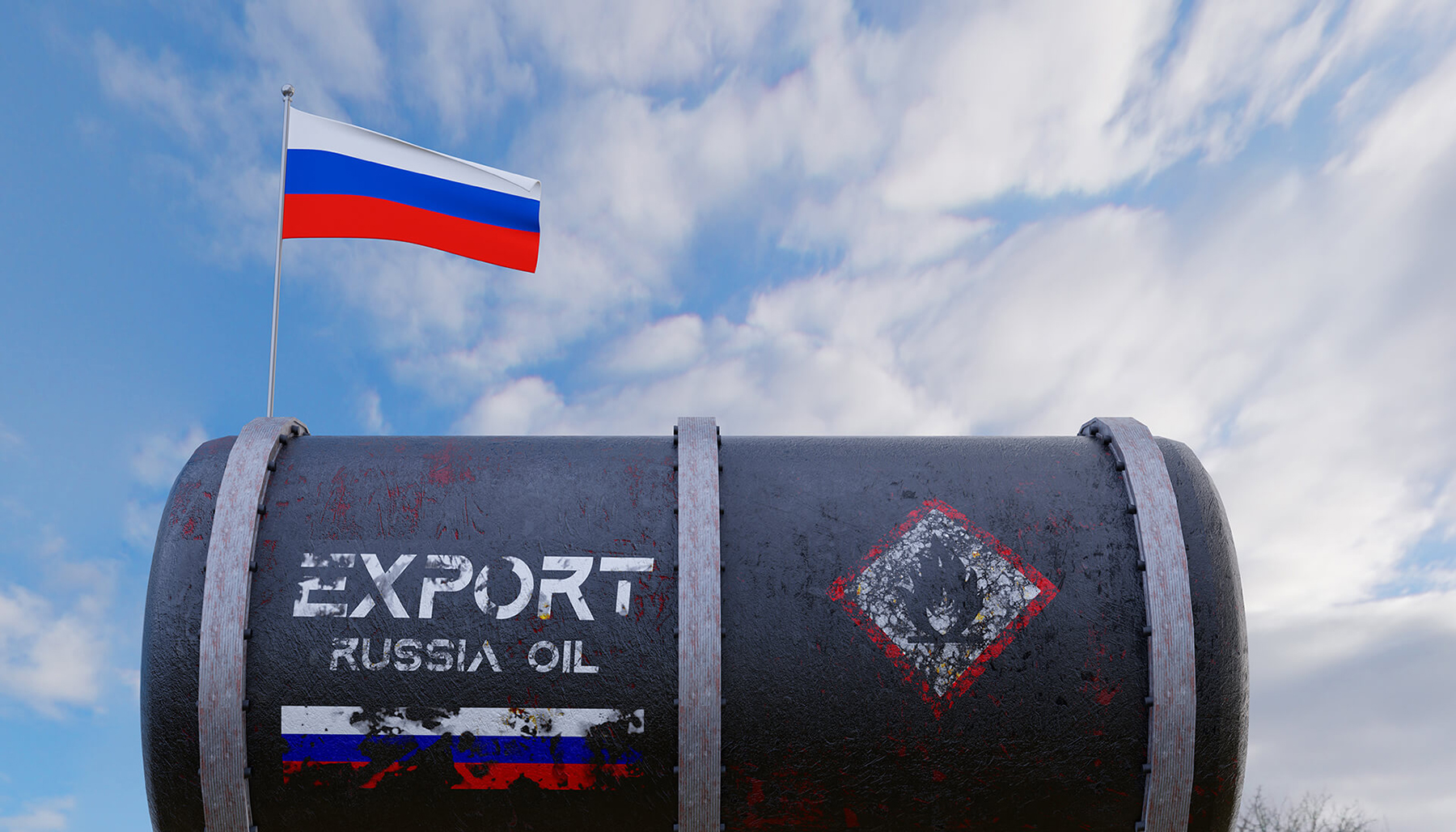


African fuel importers are expected to gain short-term access to additional crude supply after the United States announced a temporary measure allowing certain countries to purchase Russian oil cargoes currently stranded at sea.
- The US has issued a temporary 30-day license allowing certain countries to import Russian oil stranded at sea, aiming to stabilize global energy flows.
- The move is intended to provide supply relief to vulnerable, import-dependent economies, particularly in Africa.
- This policy opens a narrow window for rerouting crude shipments disrupted by sanctions, potentially easing short-term fuel price pressures for African nations.
- Countries like Kenya and South Africa may directly benefit from increased supply, while oil producers like Nigeria could see more complex effects.
The United States has moved to unlock access to stranded Russian oil cargoes, a development that could ease global supply constraints and offer potential relief for African fuel importers grappling with high energy costs and inflationary pressure.
U.S. Treasury Secretary Scott Bessent said on X that the Treasury Department is issuing a “temporary 30-day general license to provide the most vulnerable nations with the ability to temporarily access Russian oil currently stranded at sea,” adding that the extension would offer “additional flexibility” while allowing Washington to issue specific licences where needed.
“This general license will help stabilize the physical crude market and ensure oil reaches the most energy-vulnerable countries,” Bessent added.
This announcement comes amid ongoing volatility in global oil markets, where sanctions on Russian crude, shifting trade routes, and supply bottlenecks have left several cargoes stranded at sea and disrupted traditional flow patterns.
The move marks the second time the U.S. Treasury has allowed the sanctions waiver to lapse and then extended it. Last year, the Trump administration sanctioned Russian oil majors Rosneft and Lukoil to curb Moscow’s war revenues.
However, following U.S.-Israeli strikes on Iran that pushed up global oil prices, the Treasury issued a temporary licence in March to ease supply tightness by releasing stranded Russian oil cargoes. The waivers do not apply to newly produced Russian oil.
Supply relief for import-dependent African economies
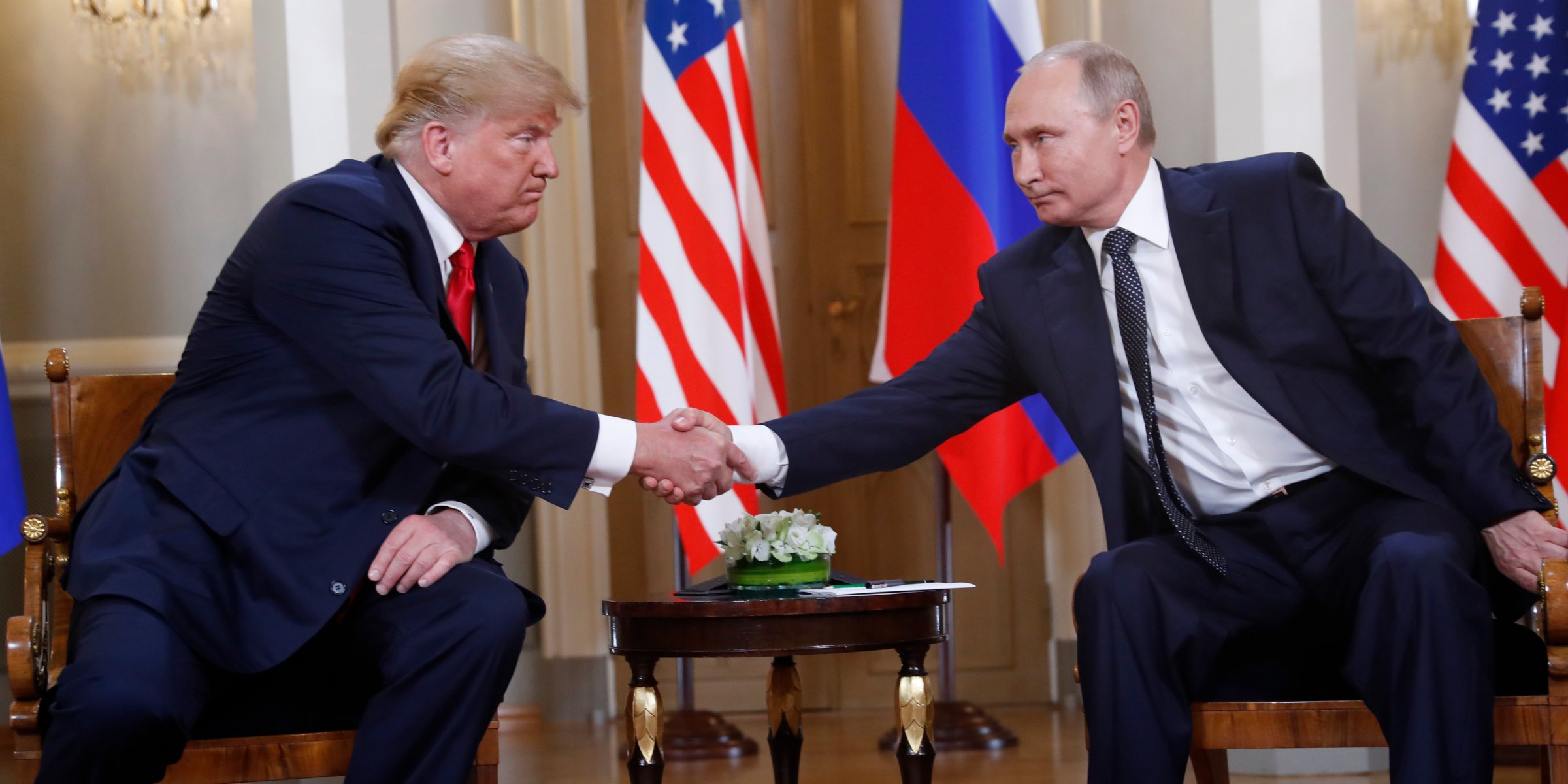
The policy shift effectively creates a narrow window for rerouting crude shipments that had been disrupted by sanctions and trade restrictions, potentially opening up additional supply channels for import-dependent economies across Africa, where fuel security remains a persistent economic pressure point.
According to Reuters, a source said the extension was requested by poorer, vulnerable countries facing difficulty securing Gulf oil shipments amid disruptions from the U.S.-Israel conflict with Iran and constrained flows through the Strait of Hormuz.
For African nations heavily reliant on imported refined petroleum products, the move could ease short-term price pressures by increasing availability in physical crude markets.
Countries such as Kenya and South Africa which are both heavily dependent on imported refined petroleum products, stand to see more direct relief from improved global supply conditions, while oil-producing economies like Nigeria may experience a more mixed impact due to the interplay between domestic production, imports, and pricing pressures.
Bessent said the measure would help stabilise the physical crude market framing the decision as part of broader efforts to reduce volatility in global energy flows.
He also noted that the arrangement could “help reroute existing supply to countries most in need by reducing China’s ability to stockpile discounted oil,” signalling a geopolitical dimension to the policy that may reshape competitive access to discounted barrels in the short term.
While the initiative may offer temporary relief, analysts caution that its impact on African markets will depend on shipping logistics, refinery readiness, and the ability of governments and private importers to secure timely contracts within the limited 30-day window.
For African fuel importers, the development underscores both the opportunities and uncertainties in a global oil market increasingly shaped by geopolitical restrictions, rerouting of supply chains, and shifting alliances in energy trade.