Wall Of Nature: Viet Ha Tran
By Matthew Burgos The first time Madrid-based artist Viet Ha Tran saw Patrick Blanc’s living vertical garden in front of CaixaForum Madrid, she paused while walking and stared at it. It was raining that day in 2016, and the gloomy atmosphere made the green garden sharper, brighter. She wondered why she was seeing it just […] The post Wall Of Nature: Viet Ha Tran appeared first on Blanc Magazine.
 Black News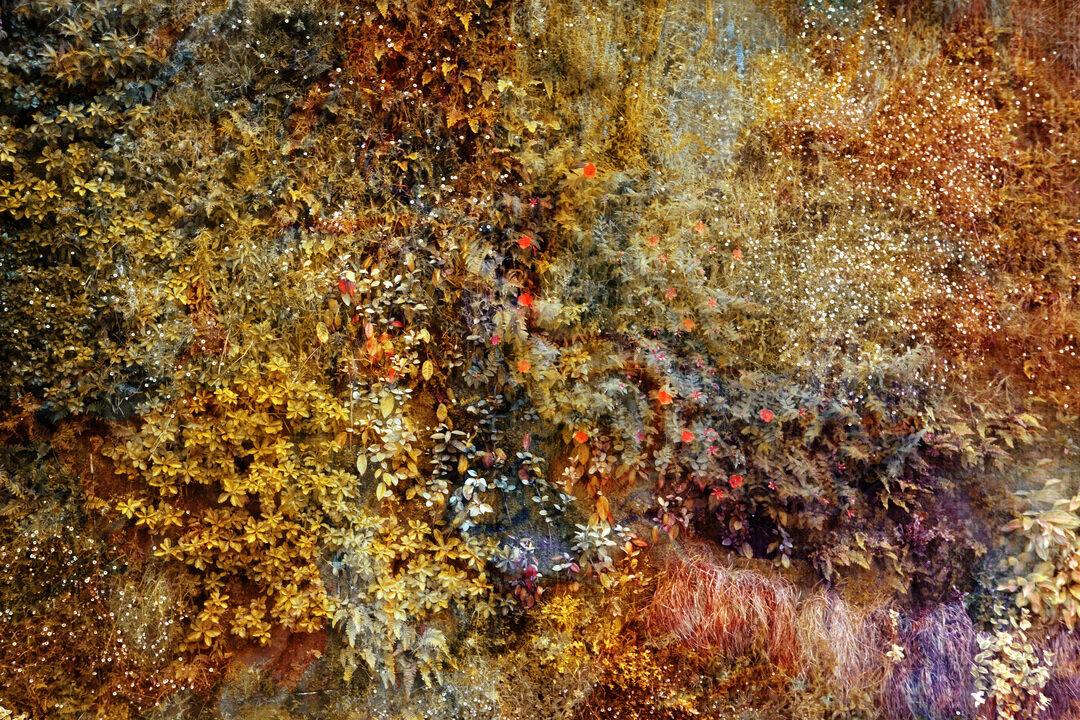
By Matthew Burgos
The first time Madrid-based artist Viet Ha Tran saw Patrick Blanc’s living vertical garden in front of CaixaForum Madrid, she paused while walking and stared at it. It was raining that day in 2016, and the gloomy atmosphere made the green garden sharper, brighter. She wondered why she was seeing it just then, even after she’d been around the Museum Triangle – the Prado, Thyssen-Bornemisza, and Reina Sofía museums – many times over the past decade. The next day, she returned with a two-meter ladder she carried through the metro, stood on it just across from the garden, and snapped photos in between the tourists shuffling past it. She saved all those photos, but didn’t look at them again until three years later, in 2019, when she started to paint them with a burst of converging, iridescent colors.
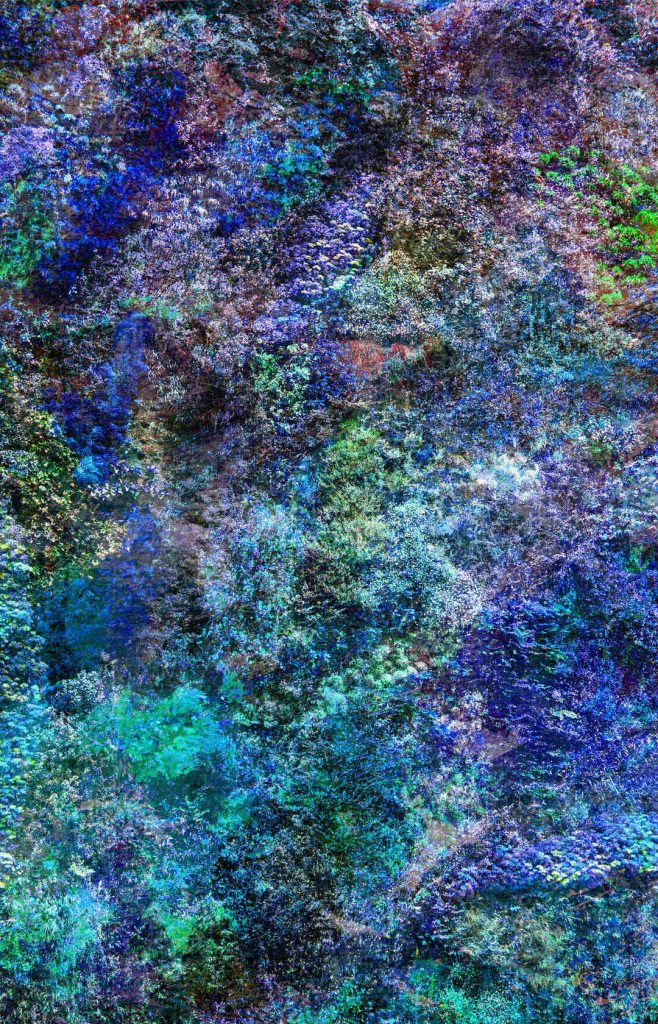
She named the collection Wall of Nature, and it features her most extensive photographic work to date, with around 70 pieces and counting. She captures small sections of the vertical garden, which houses 250 species and 15,000 plants, and reimagines it digitally as floral-esque greenery, similar to a cornucopia of assorted flowers. There’s no singular shade, as blue blends into orange, transforms into red, intersects with yellow, then changes to pink or purple. It looks like a painting, and it tracks, because Viet Ha references Impressionism and Abstract art.
“I consider the Thyssen Museum almost my home museum, and I love the Impressionist and Post-Impressionist paintings there, those landscape and garden artworks from the 19th and 20th centuries,” the artist tells Blanc. “In more recent years, vibrancy has captured my interest. I see colors everywhere. Living in a Mediterranean country has something to do with it, and I’m also very drawn to Middle Eastern and South Asian cultures. I’ve been to Iran, Egypt, Morocco, Turkey, Nepal, India, Bhutan, etc. All these countries leave a very strong impression with their colors, vibrance, and abstraction, which influence this work.”
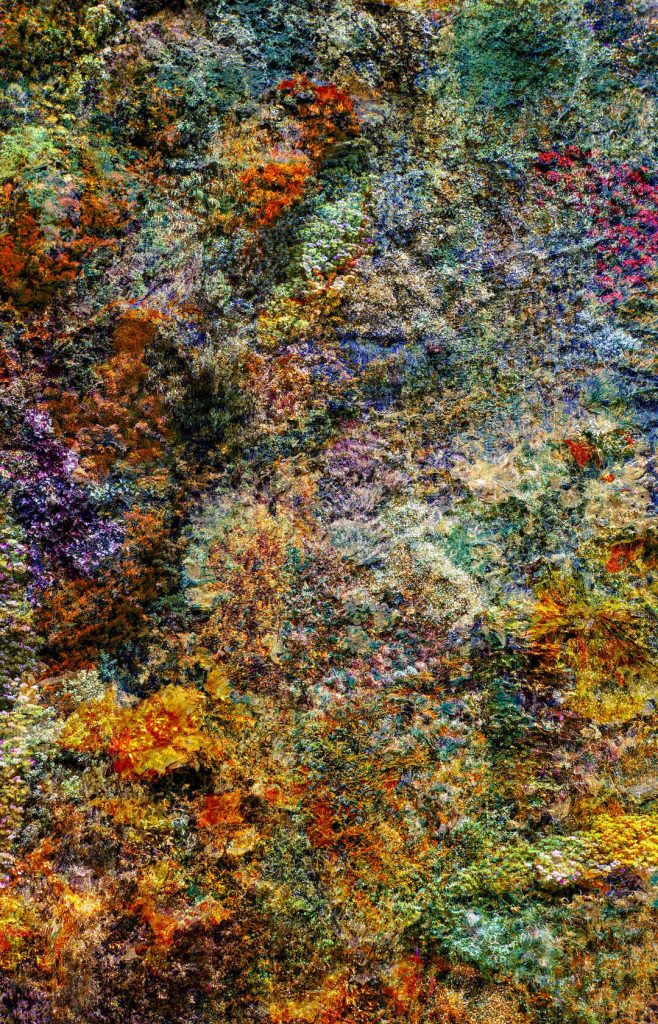
Viet Ha’s relationship with palettes brings her back to her hometown, Hanoi. Being from Vietnam and growing up in Asia, her surroundings are filled with asymmetrical colors breaking through nature. “If you go to Hanoi, to any street, you will see yellow, red, green, blue: all the colors, all those vibrant banners, around all the shops. I need to see that mix of vibrance because I feel life in it,” she says.
In a way, the artist sees colors through the lens of being far from her original home. “In a Spanish city, you can see predominantly beige, red, and brown, which are different from the mix you see in Asia: the motorbikes and bicycles, the tropical colors, the shops, the banners, the neon lights. When I look at the pieces in Wall of Nature, I see a mini version of the streets of my home country.”
She didn’t used to feel like this. There was a time she admired the Renaissance and Baroque paintings of the Italian Old Masters, clearly resonating with their dark, subtly thunderous colorscapes. But longing and confinement changed that. The year before the pandemic, Viet Ha had been traveling to around 15 countries and 25 cities. When the lockdown unfolded, she felt lost and detached being at home. “I missed all those colors I had seen in the world, and my memory of those places suddenly came back very strongly. From then on, my work became about colors,” she says.
It appears so, because Viet Ha has amassed close to a hundred polychromatic photographs for the series. Her turning point came in 2023 when Amazon in Seattle reached out to her to license 8 photographs for the series for Amazon Fire TV. “The other week I also signed another contract with Samsung to feature a piece on the Samsung Frame TV. For an artist, it is so important and encouraging to have your work recognized, especially in this case. That Wall of Nature has been embraced by two of the world’s leading digital art platforms is something I could hardly have imagined when I first started creating these images,” she explains.
Wall of Nature has also earned her an honorable mention at the Fine Art Photography Awards, a finalist title at the Siena International Photo Awards, and coverage across magazines, and Viet Ha plans to expand her series to other urban cities across the world, including India, Italy, and her home country, Vietnam.
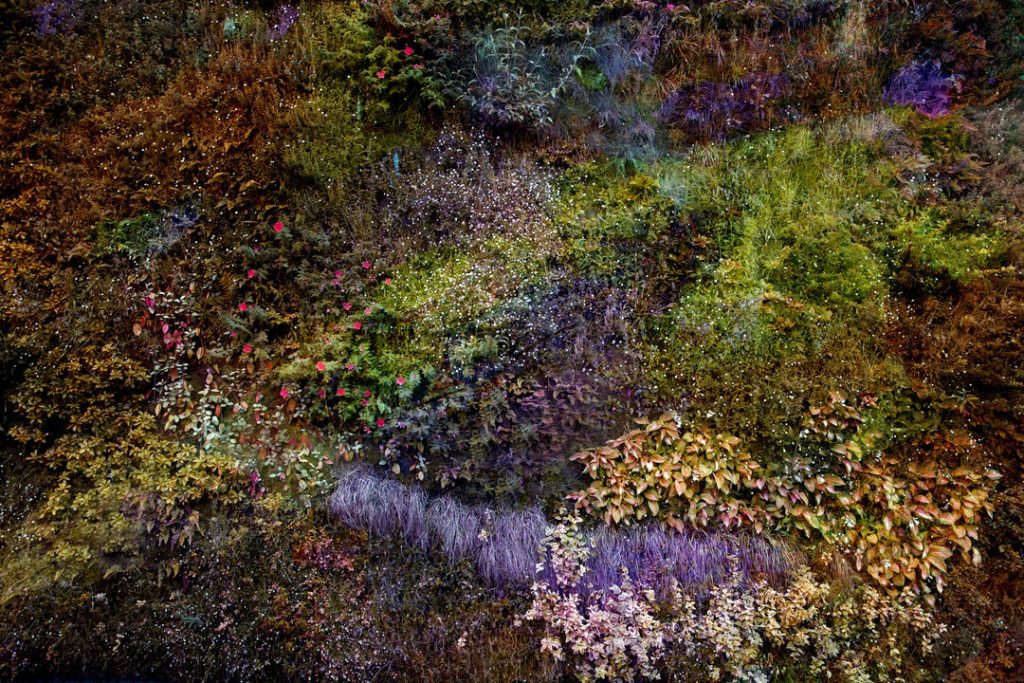
“I see walls with beautiful flowers and plants growing on them, so I want to take the series beyond the original garden in Madrid to walls around the world, because I want to develop Wall of Nature as an exploration of nature as an ecosystem of our living planet. Every year, it gets hotter, natural disasters are happening more frequently, and I’m worried about future generations. Being a mother and being an artist gives me another perspective on what art is, what nature is. Art can be a powerful way to raise awareness and educate. It is a beautiful garden, but it also means we have to protect it, to treasure that beauty for the future,” she continues.
Just this February 2026, the artist visited Hanoi, already a routine she’s followed twice a year for the past three years, because, first, she wants to acquaint her child with their grandparents, and second, she wants to photograph nature in Vietnam and, when time allows, other tropical Asian countries. For the artist, nature has been a source of beauty, inspiration, and inner peace. “That’s really the foundation for Wall of Nature,” she says. The vertical garden in Spain once reminded her of the landscapes she grew up in and a piece of her home city. Now, she grows those memories in her own colorful, photographic way.
The post Wall Of Nature: Viet Ha Tran appeared first on Blanc Magazine.