Warner Bros. Bets Big at CinemaCon: Bold DCU Plans, Indie Ambitions & Franchise Overload
The CinemaCon stage is always where studios come to flex, but this year, Warner Bros. didn’t just flex. They mapped out a future that feels both sprawling and, at times, uncertain in its ambition. Here are the biggest takeaways from a panel that swung wildly between bold creative bets, franchise reliance, and a clear desire… The post Warner Bros. Bets Big at CinemaCon: Bold DCU Plans, Indie Ambitions & Franchise Overload appeared first on Black Girl Nerds.
 Black News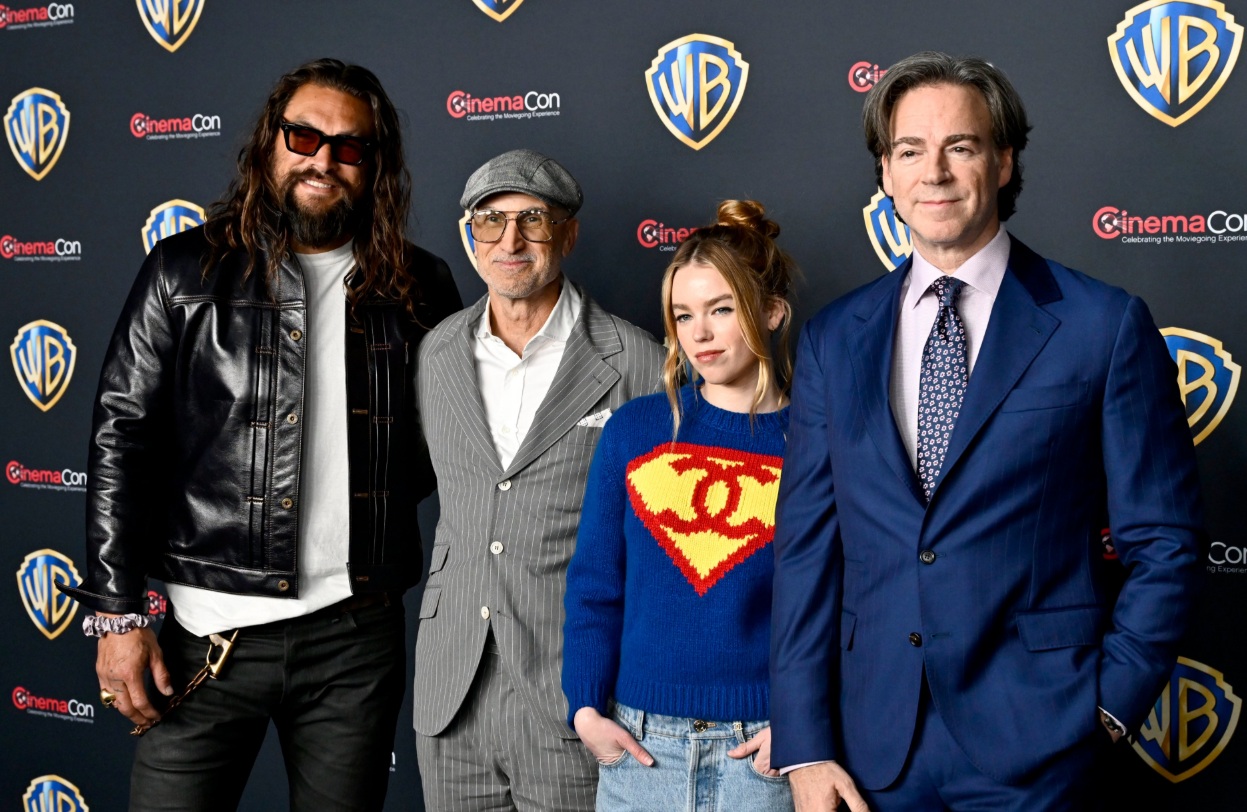
The CinemaCon stage is always where studios come to flex, but this year, Warner Bros. didn’t just flex. They mapped out a future that feels both sprawling and, at times, uncertain in its ambition.
Here are the biggest takeaways from a panel that swung wildly between bold creative bets, franchise reliance, and a clear desire to dominate theatrical again.
The looming shadow over everything remains the DC Universe being reshaped under James Gunn. And if the panel proved anything, it’s that this new era is not playing it safe.
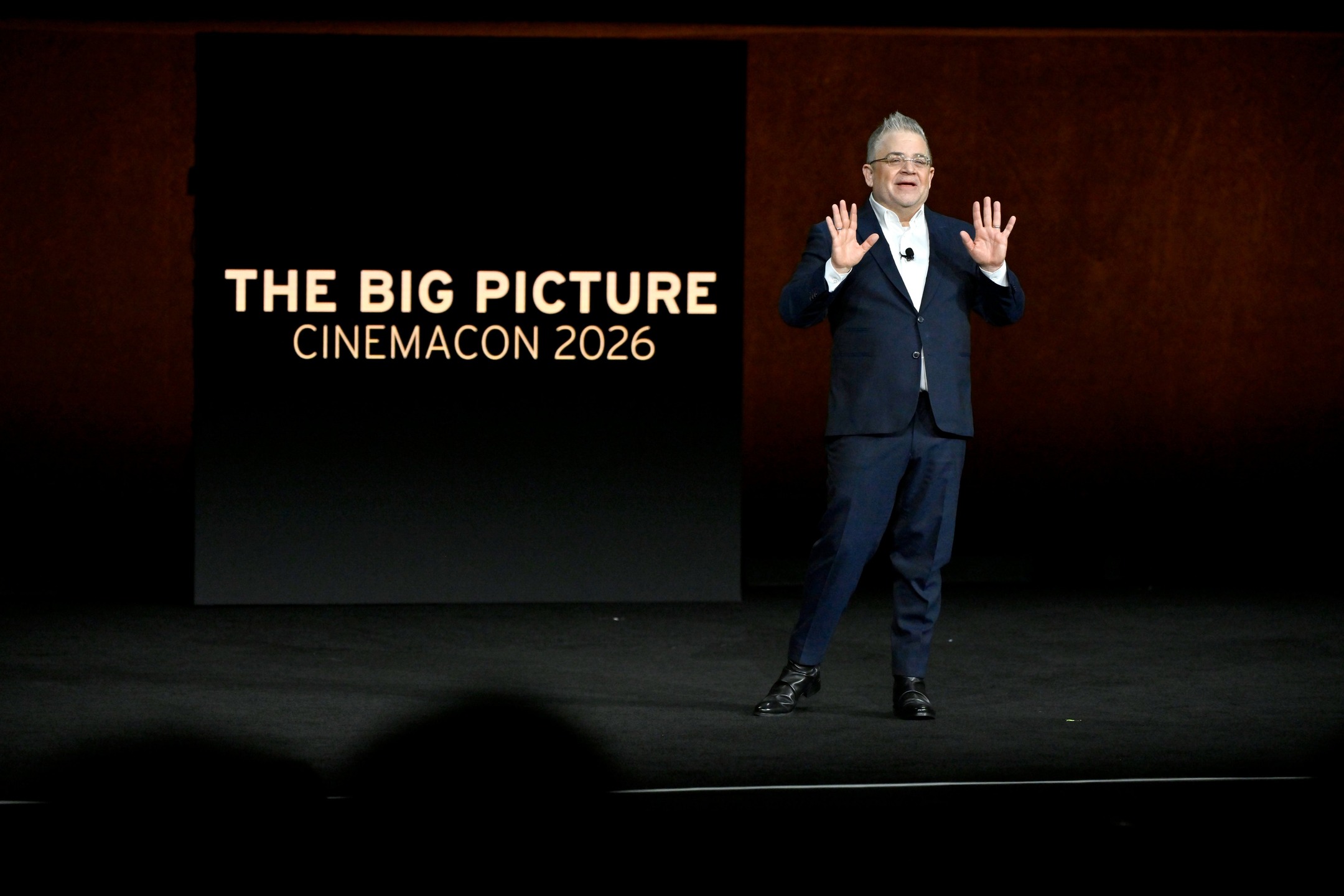
Patton Oswalt joking about lobbying Gunn to play Mister Mxyzptlk or Toyman wasn’t just comic relief. The DCU is opening itself up to weirder, more comic-accurate characters that previous iterations avoided. That tone carried into Man of Tomorrow, teased by David Corenswet and Nicholas Hoult as a story built on “an unlikely alliance.” Add Lars Eidinger as Brainiac and suddenly Superman’s world feels less grounded and more cosmic, more dangerous, more unpredictable.
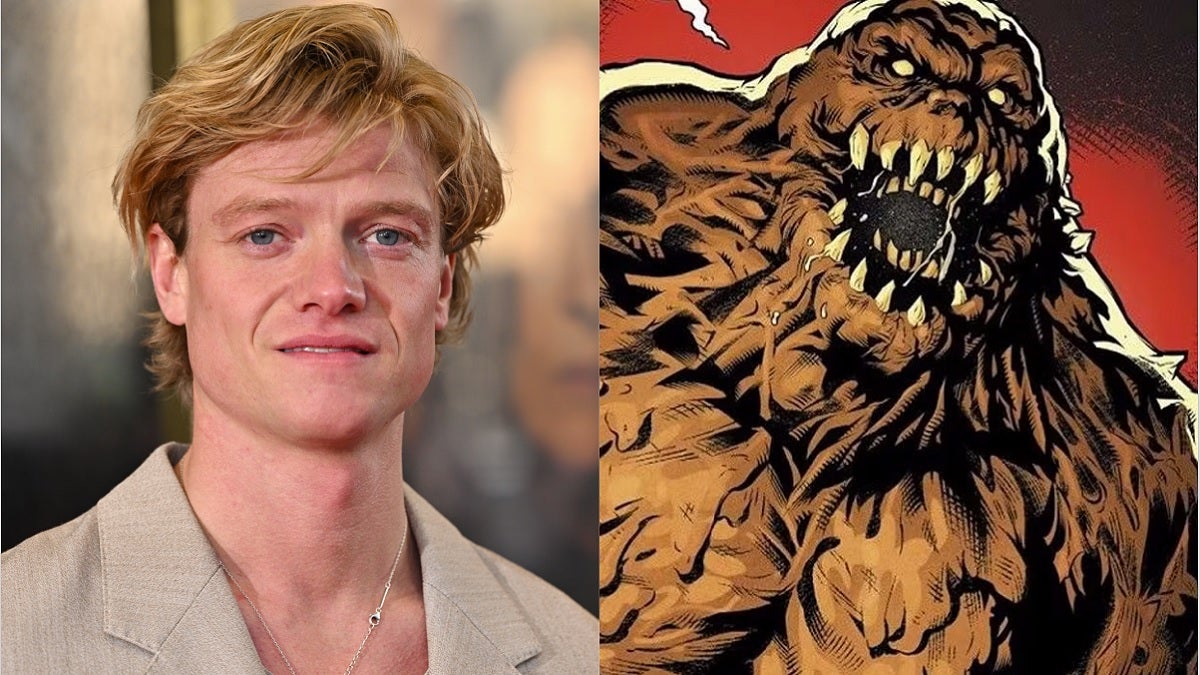
Then there’s Clayface, which looks like it’s diving headfirst into body horror. A disfigured Matt Hagen reshaping himself into weapons is a far cry from the safer, sanitized comic adaptations of the past. And with Jason Momoa calling Lobo a “dream role,” plus Supergirl set for 2026, the message is clear. This DCU isn’t trying to win everyone over, it’s trying to stand out.
Perhaps the most intriguing announcement wasn’t about superheroes at all.
Warner Bros. Clockwork, the studio’s new indie division, signals a return to filmmaker-driven storytelling. And they didn’t ease into it. They went straight to Sean Baker, one of the most distinctive voices in indie cinema today.
His upcoming film Te Amo, set for a theatrical release next year, will be the label’s first project. This is a smart play. In an era where mid-budget films have been squeezed out, Clockwork could become a necessary bridge between indie credibility and studio resources. The question is whether Warner Bros. will give these films room to breathe or expect blockbuster returns from arthouse sensibilities.
For all the talk of originality, Warner Bros. is still deeply invested in its legacy properties.
The Lord of the Rings: The Hunt for Gollum is perhaps the biggest example. With Andy Serkis returning as Gollum, Ian McKellen as Gandalf, and Elijah Wood back as Frodo, the film is clearly banking on nostalgia.
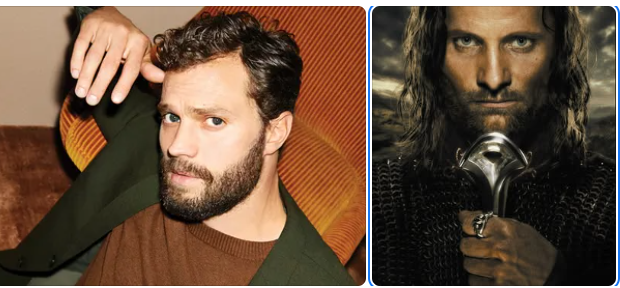
The addition of Jamie Dornan as Strider has a lot of fans excited, and signals a willingness to reinterpret iconic roles. Whether fans embrace that or reject it outright remains to be seen.
Meanwhile, the Ocean’s prequel set at the 1962 Monaco Grand Prix feels like another attempt to mine familiar territory while expanding the universe in unexpected directions. Even television’s biggest fantasy world isn’t off-limits. Game of Thrones: Aegon’s Conquest confirms that Game of Thrones is far from done on the big screen.
Amid the franchise-heavy slate, there are glimmers of originality pushing through.
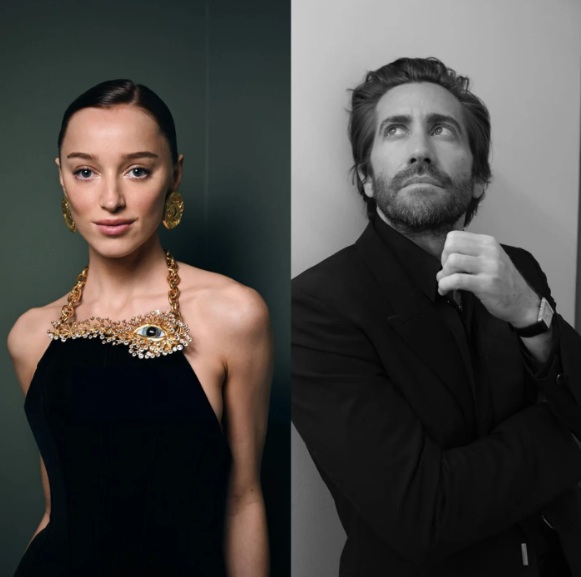
Remain, a supernatural romantic thriller from M. Night Shyamalan and Nicholas Sparks, starring Phoebe Dynevor and Jake Gyllenhaal, is the kind of mid-budget swing Hollywood used to make regularly.
Then there’s Panic Carefully from Sam Esmail, starring Julia Roberts and Elizabeth Olsen. A paranoid thriller shot entirely in IMAX’s towering 1.43:1 ratio is the kind of technical and narrative risk that feels increasingly rare.
Even Alejandro González Iñárritu’s Digger, praised by Tom Cruise as the reason he loves movies, suggests there’s still room for auteur-driven spectacle within the system.
If the first two Dune films were about prophecy and ascension, Dune: Part Three sounds like it’s about consequence.
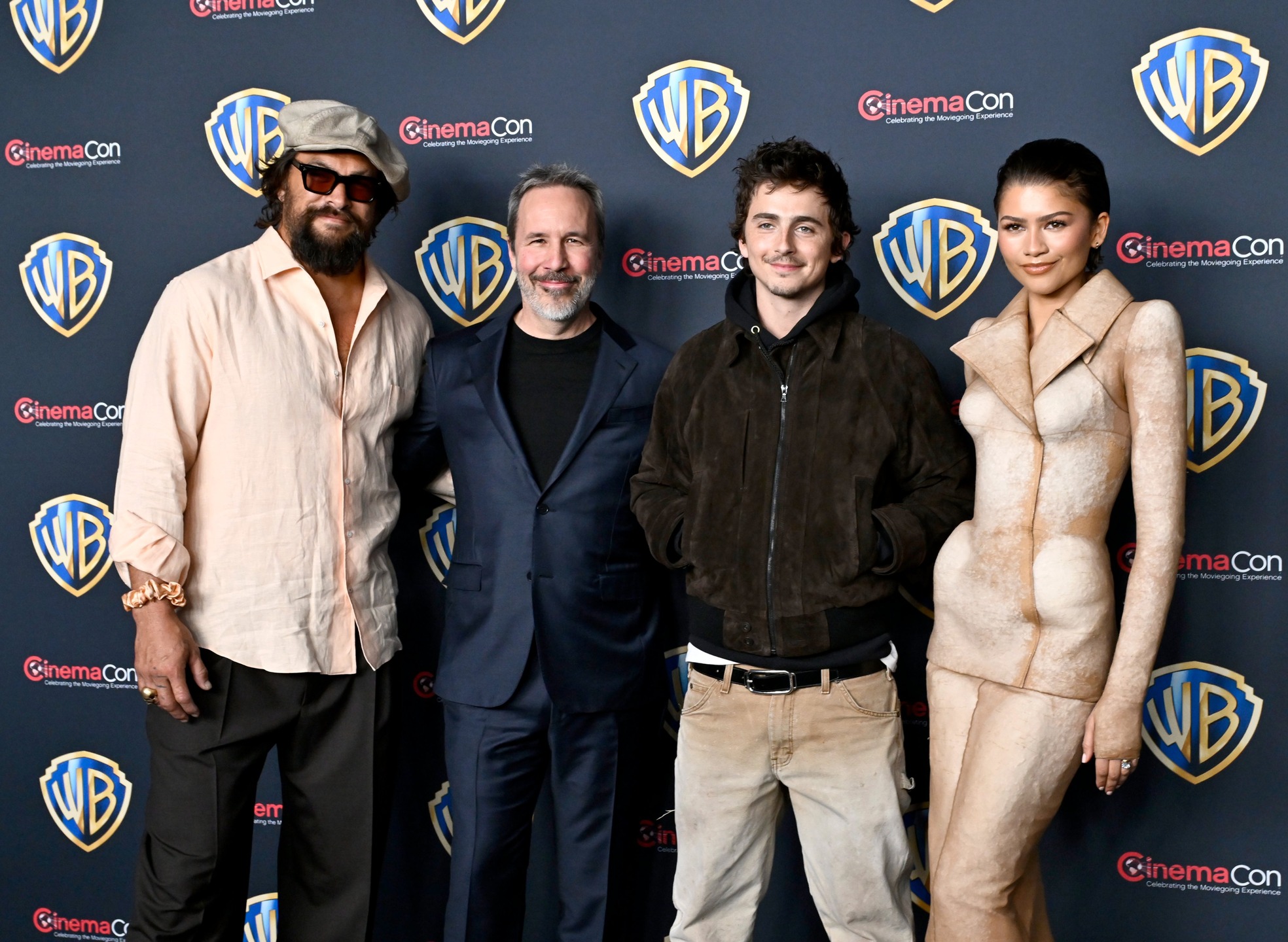
Timothée Chalamet describing Paul Atreides as becoming “his worst vision” hints at a darker, more introspective chapter. And Zendaya’s comments about Chani suggest a shift in perspective that could reframe the entire saga.
The promise of a more action-driven and emotionally intense film may broaden its appeal, but it also risks losing the meditative tone that made the earlier installments stand out.
Fourteen films in 2026. Eighteen in 2027.
Warner Bros. is clearly betting on theatrical being back in a big way. But volume can be a double-edged sword. More films mean more chances to win, but also more opportunities to get lost in the shuffle.
The real challenge will be differentiation. Can a slate this large make each project feel like an event rather than content? On one side, there’s risk. New voices, bold formats, stranger comic book adaptations. On the other, there’s safety. Established IP, nostalgia plays, and franchise extensions. Right now, it feels like Warner Bros. is trying to have it both ways.
And that rarely works unless every single bet hits.
The post Warner Bros. Bets Big at CinemaCon: Bold DCU Plans, Indie Ambitions & Franchise Overload appeared first on Black Girl Nerds.





.jpg?cb=448b9603c7d7554921e91fb17f6c42c3#)