“Why does a 33km waterway control global oil?” South Africa heads to Strait of Hormuz for answers
South Africa is dispatching a government delegation to the Strait of Hormuz as rising tensions involving the United States, Israel, and Iran continue to shake global oil markets and threaten fuel-importing economies.
 Black News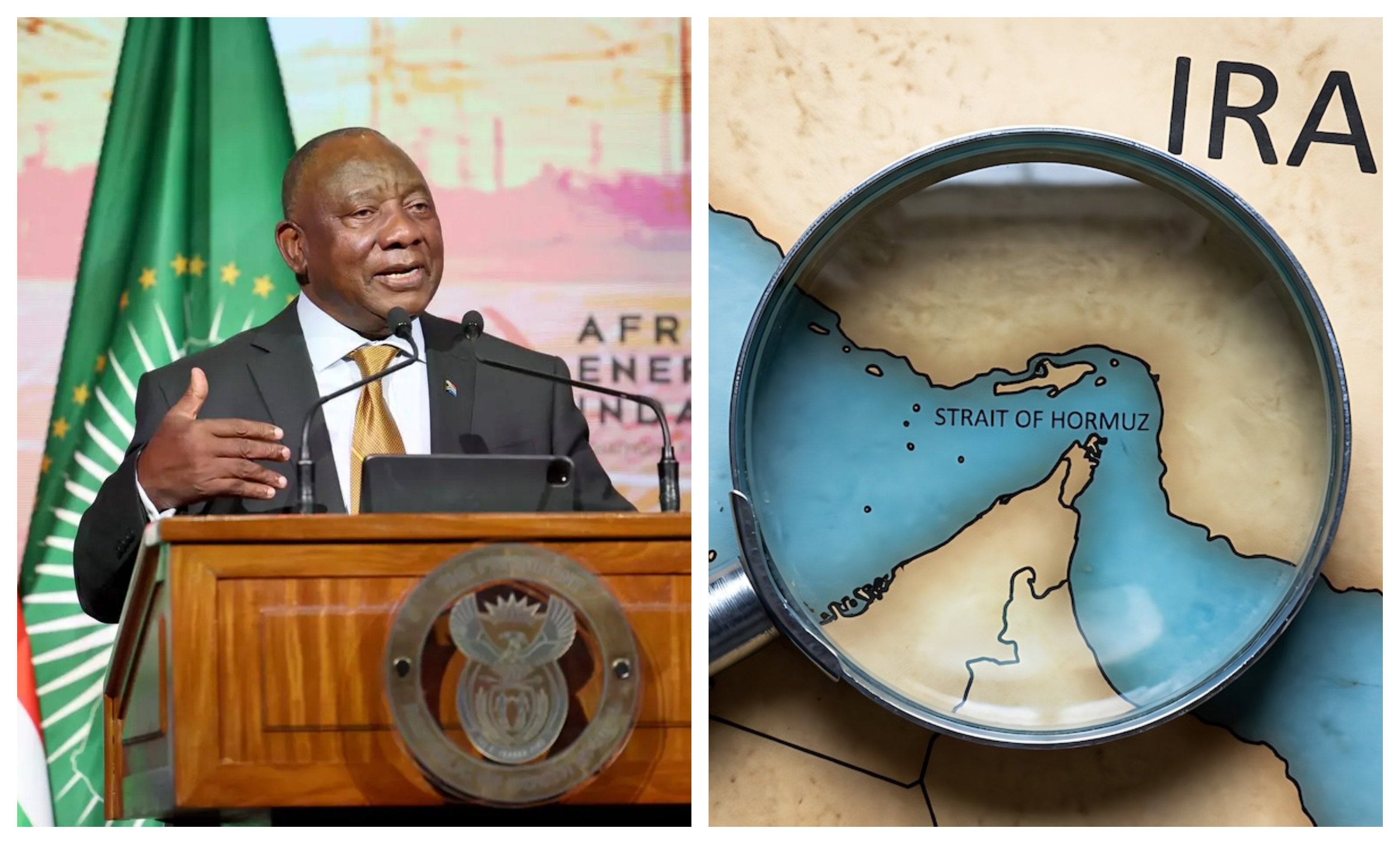

South Africa is dispatching a government delegation to the Strait of Hormuz as rising tensions involving the United States, Israel, and Iran continue to shake global oil markets and threaten fuel-importing economies.
- South Africa is sending a government delegation to the Strait of Hormuz to assess geopolitical risks amid rising tensions involving the US, Israel, and Iran.
- The Strait of Hormuz is a vital oil transit route, with nearly 34% of global crude trade passing through; any disruption impacts global fuel prices significantly.
- South Africa, highly dependent on Middle Eastern oil, is vulnerable to supply shocks and has already felt the effects of recent volatility in oil prices.
- The South African government is engaging diplomatically with Gulf states and Iran while encouraging dialogue to prevent further disruptions, and is diversifying its oil import sources.
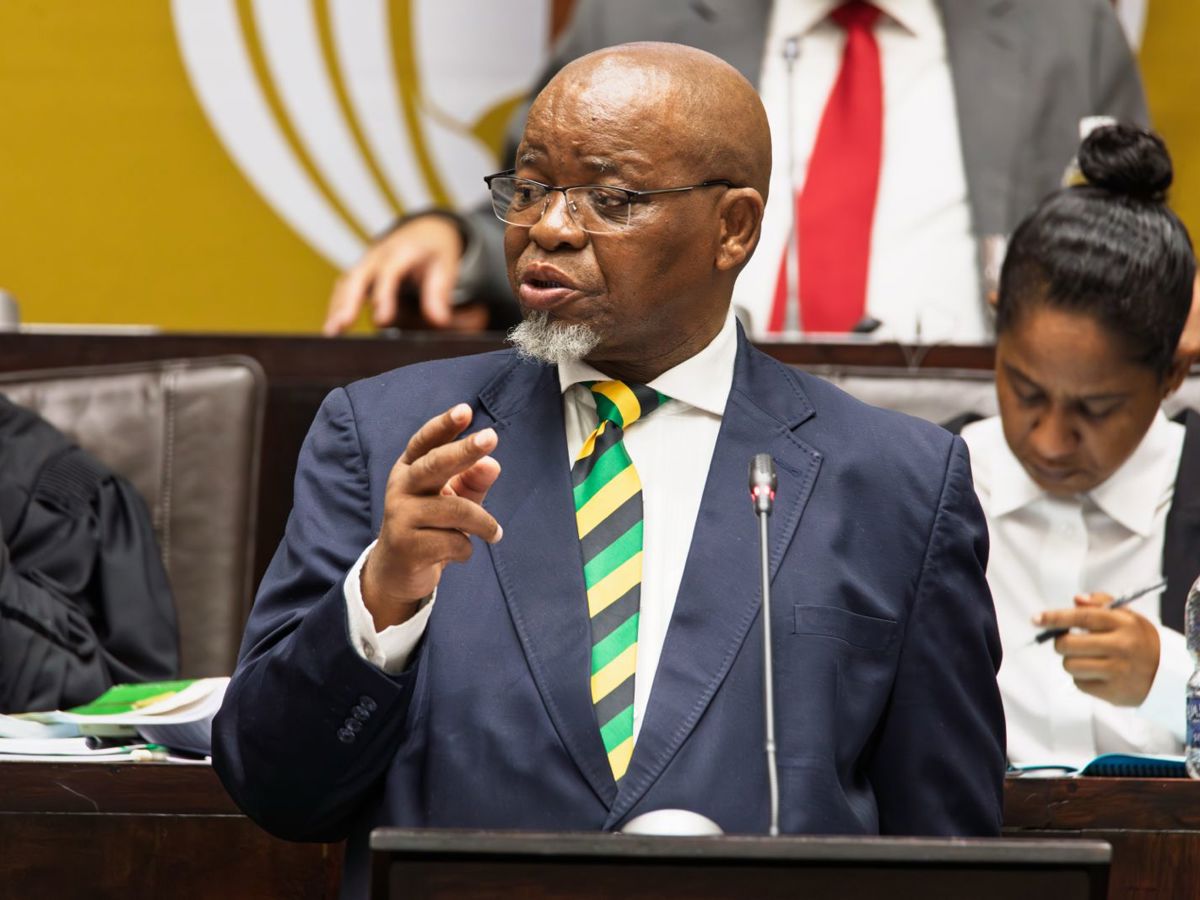
Speaking during his department’s budget vote in Parliament, South Africa’s Mineral and Petroleum Resources Minister, Gwede Mantashe, said the visit aims to help officials better understand the geopolitical forces surrounding the narrow maritime corridor that carries a substantial portion of the world’s oil supply.
Introducing his budget vote speech in the National Assembly, Mantashe said, "We have undertaken to visit the Strait of Hormuz to see what is magic about this strait, this small passage of oil, that destabilises the world."
The Strait of Hormuz, located between the Persian Gulf and the Gulf of Oman, is considered the world’s most important oil chokepoint.
According to the International Energy Agency, nearly 15 million barrels of crude oil passed through the route daily in 2025, accounting for about 34% of global crude trade.
For South Africa, the stakes are particularly high. The country imports the majority of its crude oil and refined petroleum products, making it heavily exposed to global price shocks and shipping disruptions.
Data from the South African Petroleum Industry Association shows that more than 60% of South Africa’s crude oil imports originate from the Middle East, including Saudi Arabia, the United Arab Emirates, and other Gulf producers whose exports rely heavily on the Strait of Hormuz.
How the US-Iran conflict disrupted oil flows
The current instability intensified after escalating hostilities between the United States, Israel, and Iran spilled into maritime trade routes in early 2026.
Iran has reportedly targeted or harassed at least 22 commercial vessels transiting the strait since the conflict worsened, raising fears of a wider energy crisis.
Analysts warn that any prolonged disruption could significantly increase fuel costs globally, with import-dependent economies like South Africa among the most vulnerable.
The Brookings Institution described the current supply disruption as potentially larger than the oil shocks experienced during the 1973 Arab oil embargo and the 1979 Iranian Revolution.
The growing uncertainty has already triggered volatility in crude prices, increasing pressure on South Africa’s inflation outlook, transport sector, and energy security planning.
South Africa’s response to Hormuz tensions
Although South Africa has not acted as a formal mediator in the Strait of Hormuz tensions like Oman or Qatar, it has however, engaged diplomatically to support de-escalation and protect global energy flows.
Pretoria has held consultations with Iran and Gulf states while consistently urging dialogue and restraint to avoid disruptions to global oil shipments.
At the same time, the country has moved to reduce its exposure to potential supply shocks by diversifying fuel imports away from heavy reliance on the Gulf region.
Speaking before the National Assembly in March, Mantashe said reports at the time indicated that Iran was allowing uninterrupted passage through the Strait of Hormuz for cargo destined for South Africa, helping to maintain stable fuel supplies and ease fears of disruptions in the country
Within the period, authorities and fuel importers have also increasingly sourced petroleum products from West Africa and other markets, while also strengthening monitoring of fuel stocks, shipping routes, and supply chains.
The government has additionally focused on reinforcing energy security through strategic crude reserves, refinery support, and contingency planning.
Officials have backed the maintenance of key refining assets such as Sasol and SAPREF, while encouraging broader energy diversification and alternative energy investments to reduce long-term dependence on oil flows through the Strait of Hormuz.