With 12 months left in office, Macron unveils new Africa strategy beyond former colonies
With about 12 months remaining in his presidency, Emmanuel Macron is attempting to reset France’s relationship with Africa through a new diplomatic strategy that looks beyond the country’s traditional Francophone allies.
 Black News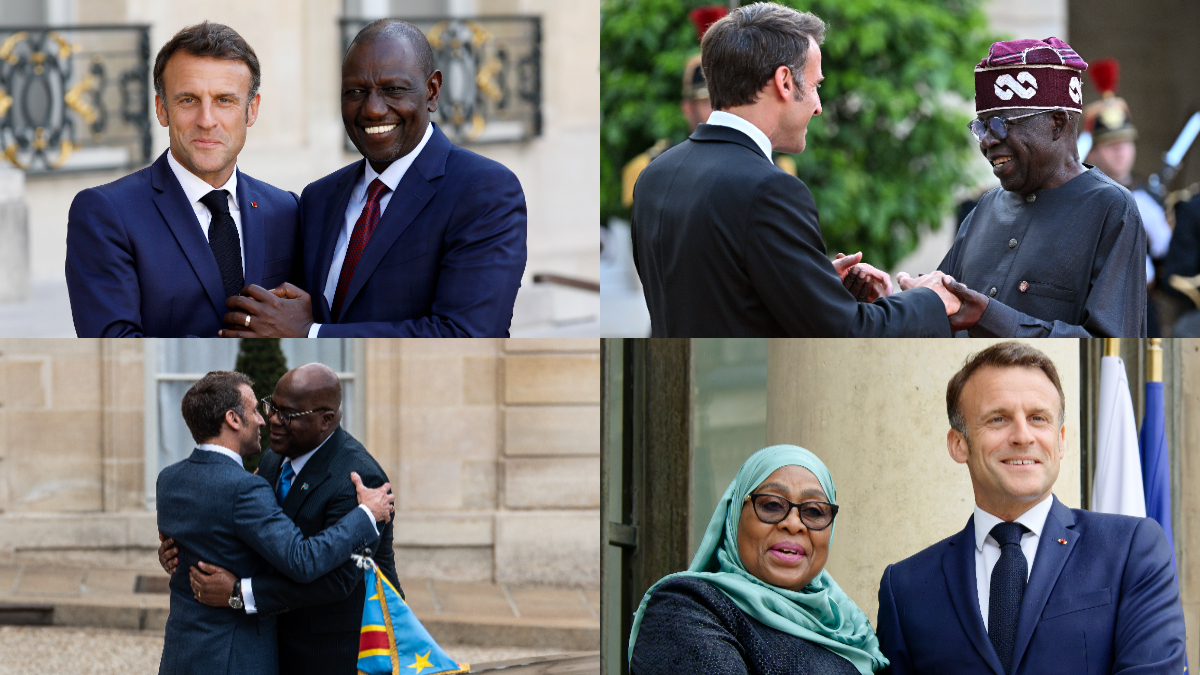
![With 12 months left in office, Macron unveils new Africa strategy beyond former colonies. [Photo by Getty Images]](https://ocdn.eu/pulscms/MDA_/214f3df886c8972adbfd4f7e1d67c47e.jpg)
With about 12 months remaining in his presidency, Emmanuel Macron is attempting to reset France’s relationship with Africa through a new diplomatic strategy that looks beyond the country’s traditional Francophone allies.
- Emmanuel Macron is seeking to reset France’s relationship with Africa by co-hosting the 2026 Africa Forward Summit in Nairobi.
- France's influence in West Africa has weakened, with Francophone nations distancing themselves.
- Despite declining political sway, French companies such as TotalEnergies, EDF, Orange, and Airbus maintain a strong economic presence in Africa
- Hosting the summit in Kenya signals France's intent to build new partnerships with influential Anglophone African economies.
France will next week co-host the 2026 Africa Forward Summit in Nairobi alongside William Ruto, marking the first time the long-running Africa-France summit will be held in an English-speaking African country since the forum began in 1973.
The summit comes at a difficult moment for France’s influence on the continent, particularly in West Africa, where several former French colonies have sharply distanced themselves from Paris in recent years.
Countries including Mali, Burkina Faso and Niger have expelled French troops, reduced military cooperation with Paris, and increasingly aligned themselves with alternative partners including Russia.
The three Sahel states have also withdrawn from ECOWAS to form the Alliance of Sahel States, further weakening France’s traditional sphere of influence in the region.
Emmanuel Macron has served as France’s president since 2017 after becoming the country’s youngest elected leader at age 39. His presidency has been shaped by economic reforms, pension protests, immigration debates, and efforts to strengthen the European Union’s global influence.
Macron’s tenure has also coincided with a sharp decline in France’s influence across several Francophone African nations, particularly in the Sahel, where military coups and rising anti-French sentiment led countries such as Mali, Burkina Faso, and Niger to scale back or end security and political ties with Paris.
Re-elected in 2022 for a second and final term, Macron is constitutionally barred from seeking another consecutive mandate, with his presidency due to end in May 2027.
France’s corporate footprint in Africa
France’s economic footprint in Africa remains anchored in major corporate investments even as its political influence weakens in parts of the continent.
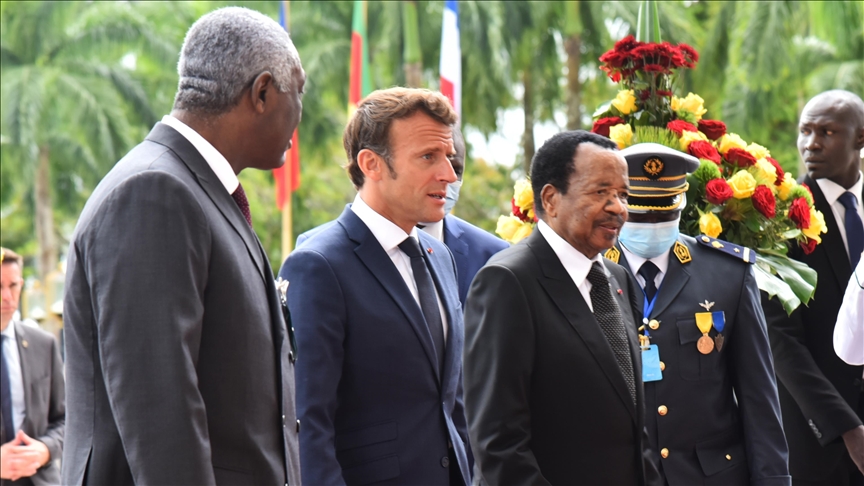
Companies such as TotalEnergies continue to drive large-scale energy projects, including LNG developments in Mozambique and upstream oil and gas operations in Angola and Namibia.
In the power sector, Électricité de France is expanding renewable energy partnerships in markets such as South Africa and Egypt, while Orange is deepening its footprint through mobile money and digital infrastructure across West and Central Africa.
Meanwhile, Airbus remains a key supplier in aviation and defence contracts across several African states.
Together, these commercial ties underline France’s continued economic relevance on the continent, even as its traditional diplomatic influence in Francophone West Africa comes under strain.
France pivots toward new African partnerships
The decision by Macron and Ruto to host the summit in Nairobi is widely viewed as symbolic of France’s effort to deepen relations with Anglophone African economies that are becoming increasingly influential diplomatically and economically.
Beverly Ochieng, a Senegal-based senior analyst at the Control Risks consultancy, told Reuters that France appears to be repositioning itself on the continent by moving away from some of its former colonial and security partners toward countries where it has a different cultural and diplomatic footprint.
Kenya has emerged as one of Africa’s leading diplomatic voices in recent years, particularly on climate and green development issues following the 2023 African Climate Summit hosted in Nairobi.
The Africa Forward Summit, themed “Africa–France Partnerships for Innovation and Growth,” will bring together heads of state and government on 11–12 May 2026 to discuss trade, innovation, sustainable development, and global governance reform.
French officials hope the summit will help reposition France as a long-term economic and innovation partner for Africa at a time when Paris is facing growing competition from China, Russia, Türkiye, Gulf states, and the United States across the continent.