Africa's largest diamond producer courts UAE, Oman to acquire 138-year-old diamond-mining company
Botswana is seeking support from the United Arab Emirates and Oman as it pursues what could become one of the most significant deals in the global diamond industry: acquiring a strategic stake in De Beers, the 138-year-old diamond giant that has long shaped the country's economic fortunes.
 Black News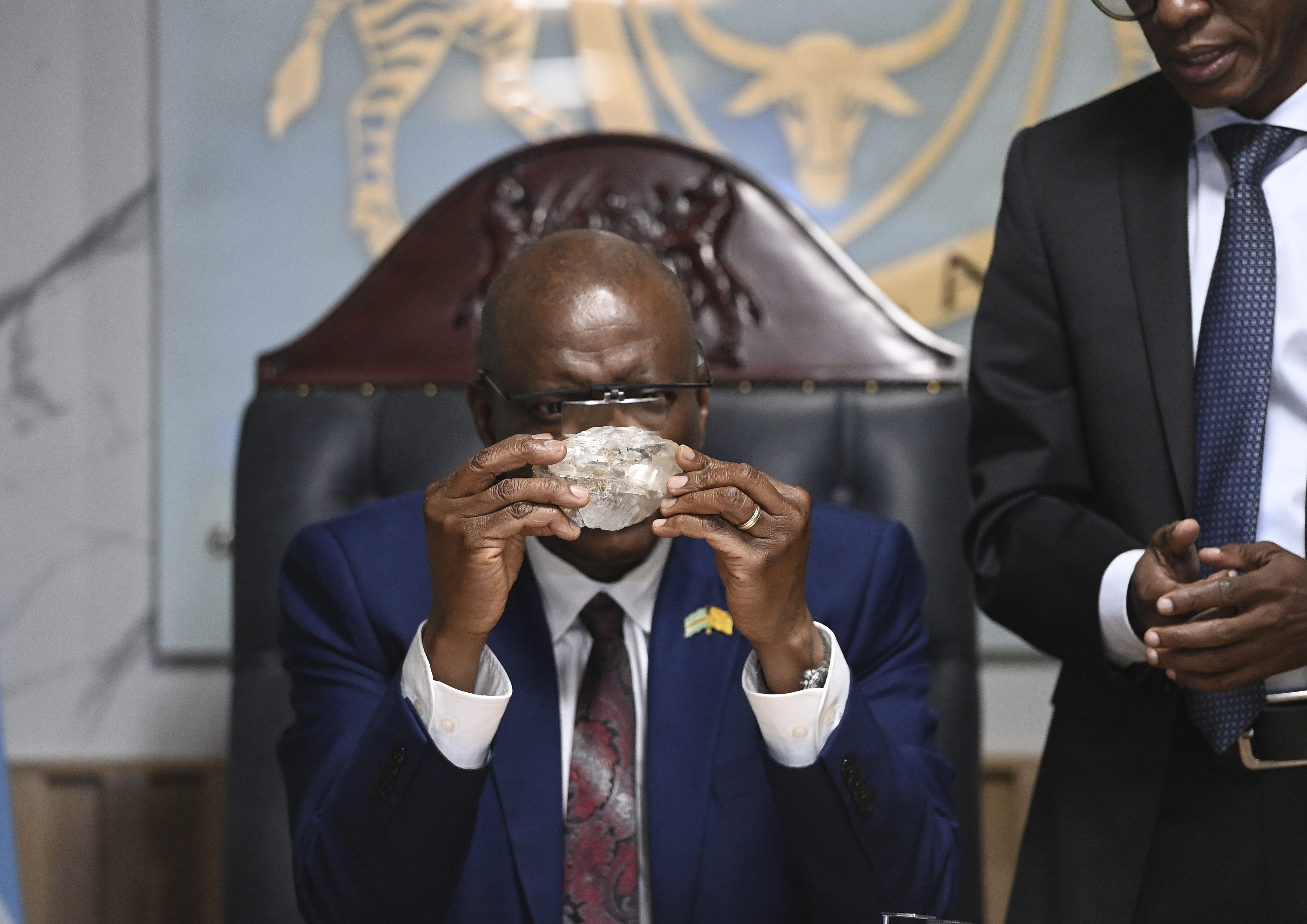

Botswana is seeking support from the United Arab Emirates and Oman as it pursues what could become one of the most significant deals in the global diamond industry: acquiring a strategic stake in De Beers, the 138-year-old diamond giant that has long shaped the country's economic fortunes.
- Botswana is seeking support from the UAE and Oman to acquire a strategic stake in De Beers as Anglo American sells its 85% share.
- Diamonds account for about 80% of Botswana’s export earnings, making the health of the sector critical for its economy.
- Falling global diamond prices, rising lab-grown diamond sales, and reduced demand from China are challenging Botswana’s economic growth.
- Botswana seeks greater control over diamond pricing and marketing by increasing its stake in De Beers, beyond its current 15% ownership.
Botswana is seeking support from the United Arab Emirates and Oman as it pursues what could become one of the most significant deals in the global diamond industry: acquiring a strategic stake in De Beers, the 138-year-old diamond giant that has long shaped the country's economic fortunes.
President Duma Boko confirmed that his government is in discussions with both Gulf nations as Botswana explores options to participate in the sale of De Beers, currently being divested by mining giant Anglo American, according to a report from Bloomberg.
Falling demand from China, the rapid rise of lab-grown diamonds, and uncertainty surrounding global trade have weighed heavily on natural diamond prices, reducing export revenues and slowing economic growth.
Diamonds remain the backbone of Botswana's economy. The precious stones account for roughly 80% of the country's export earnings and around a quarter of its gross domestic product.
The government believes increasing its ownership in De Beers would provide greater influence over how Botswana's diamonds are priced, marketed, and sold globally.
A changing diamond industry
The opportunity has emerged as Anglo American reshapes its business strategy. The mining giant is selling several assets, including its 85% stake in De Beers, after fending off a $49 billion takeover attempt from rival miner BHP last year. As part of that overhaul, the company is selling non-core assets, including its 85% stake in De Beers, while refocusing on copper and iron ore, two commodities expected to play a major role in the global energy transition.
For Botswana, the sale presents a rare opportunity to gain greater control over an industry that has defined its development story since independence.
Botswana already owns a 15% stake in De Beers through a long-standing partnership that has often been cited as one of Africa's most successful resource-sharing arrangements. The relationship has transformed Botswana from one of the world's poorest countries in the 1960s into an upper-middle-income economy.
However, recent challenges have exposed the risks of depending heavily on a single commodity.
Earlier this year, S&P Global Ratings downgraded Botswana's credit outlook amid weaker diamond revenues and fiscal pressures. Government revenues from diamond sales have declined sharply as global buyers cut purchases and inventories accumulated across key trading hubs.
Seeking strategic partners
The country's interest in Gulf investors reflects a broader trend of growing Middle Eastern involvement in African mining and natural resources.
Both the UAE and Oman have expanded their presence across Africa in recent years through sovereign wealth funds, infrastructure investments, logistics projects, and mining ventures. Their deep pools of capital make them attractive partners for Botswana, which would struggle to finance a major acquisition independently.
Boko previously revealed that Botswana had held discussions with an Omani sovereign wealth fund regarding potential financing for a controlling stake in De Beers. The government has also reportedly engaged neighbouring Angola and Namibia in discussions aimed at strengthening regional influence over the diamond industry.
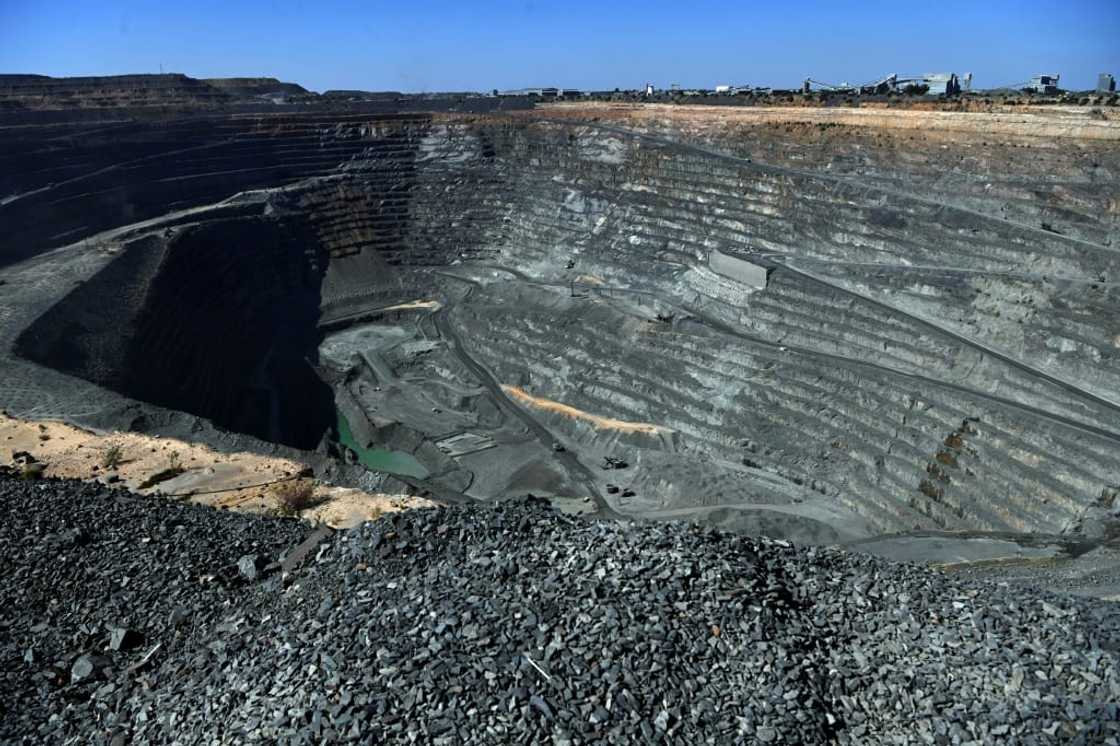
De Beers remains one of the world's most recognised diamond brands, despite the industry's recent struggles. The company operates some of the world's richest diamond mines, most of them located in Botswana, and continues to play a central role in global diamond marketing and distribution.