Bee Losses Hit Crisis Levels in 2026, Expert Warns | EUR EXCLUSIVE
*More beehives are now dying than surviving in America, a troubling reality that Dr. Noah Wilson-Rich says is becoming impossible to ignore as annual losses in some regions approach 70 percent. Recent research from Washington State University suggests annual bee losses are approaching 60 to 70 percent in some regions this year, and new tracking […] The post Bee Losses Hit Crisis Levels in 2026, Expert Warns | EUR EXCLUSIVE appeared first on EURweb | Black News, Culture, Entertainment & More.
 Black News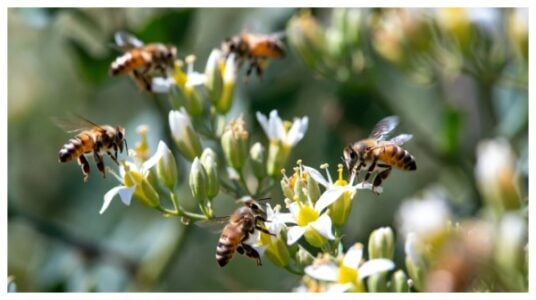
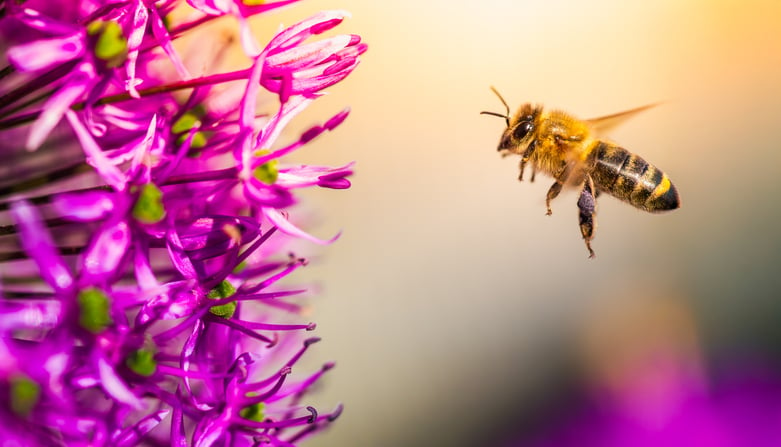
*More beehives are now dying than surviving in America, a troubling reality that Dr. Noah Wilson-Rich says is becoming impossible to ignore as annual losses in some regions approach 70 percent.
Recent research from Washington State University suggests annual bee losses are approaching 60 to 70 percent in some regions this year, and new tracking data from Swarmed indicates the 2026 swarm season has arrived an average of 17 days earlier than usual across monitored regions in North America. Scientists increasingly view pollinators as one of the clearest indicators of broader ecosystem health, making these shifts a critical warning sign for biodiversity, food systems, and climate resilience.
In recognition of World Bee Day (May 20), EURweb spoke with Dr. Wilson-Rich – an evolutionary biologist, pollinator expert, and founder of both the The Urban Bee Lab (UBL), and the Biodiversity Lab in Boston – about what is driving the collapse, what the data really means for everyday life, and why he believes the next move belongs to ordinary people.
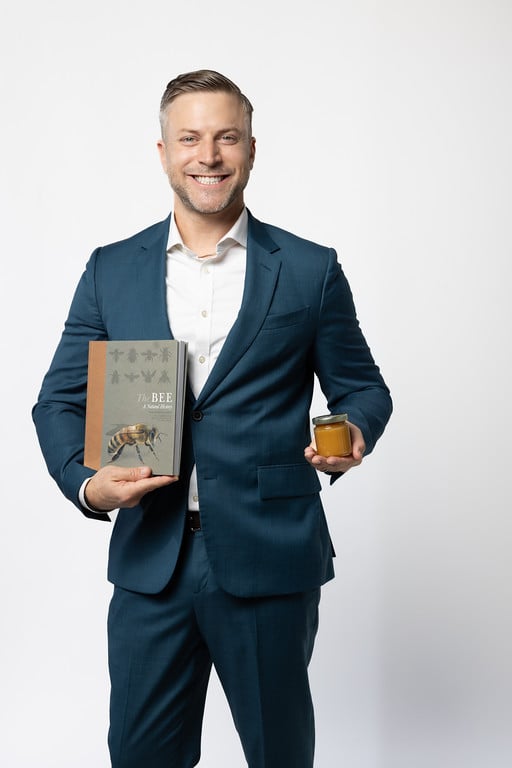
“I say anybody who eats food and breathes air needs bees because plants, especially flowering plants, exist because of this long love affair over evolutionary time with bees,” Dr. Wilson-Rich said. “Bees are there to visit flowers, and flowers are the reproductive part of these plants, and they need pollinators like bees to reproduce.”
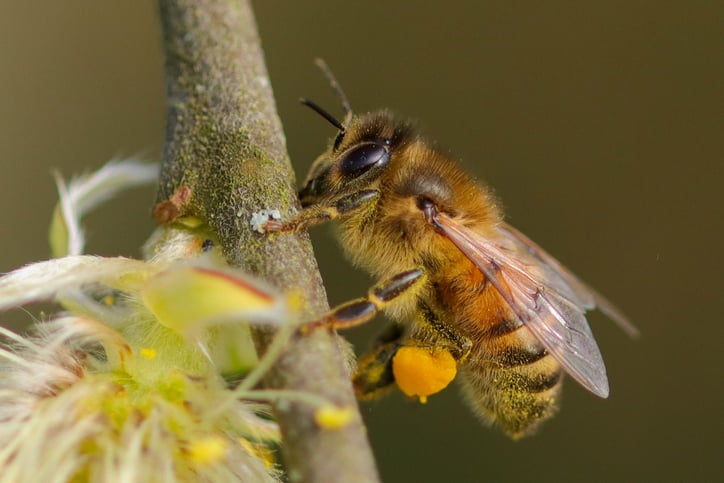
The economic stakes are just as staggering as the ecological ones. Dr. Wilson-Rich explained that roughly 90 percent of apples and close to 100 percent of almonds depend on honeybee pollination. Beyond produce, cattle and dairy industries are also downstream from bee health, since hay and alfalfa – what cattle rely on for feed – both require bee pollination.
“So for these three main reasons, between air and food and money, that all relates to bees, that bring us over to about $150, $200 billion in the global economy every year relies on bees,” he said. “So there’s so much more to these stories when we just see scientific data or nerdy insect science that say bees are declining.”
When it comes to what is actually killing bees, Dr. Wilson-Rich points to four primary culprits: climate change, pesticides, disease, and habitat loss. Climate disruption is particularly dangerous because of its effect on timing. Warm spells can cause bees to emerge from winter dormancy before flowering plants have had time to produce food, leaving pollinators with nothing to eat.
“So a warm spell from climate change can’t help more food be available for these animals that wake up from their winter slumber,” Dr. Wilson-Rich explained. “And so they starve and they die. And that’s a big reason why this timing shift of climate change can have a negative impact on bees and wildlife and farms.”
Disease is an escalating threat as well. Dr. Wilson-Rich warns that a new type of mite – not yet present in the United States but spreading globally – is estimated to wipe out 90 percent of surviving bee populations once it arrives. Meanwhile, everyday pesticide use, even at the household level, contributes to cumulative harm across entire ecosystems.
“These are designed to kill life, these chemicals,” he said. “So be mindful before you use them. Not saying don’t use it, but maybe you don’t need to spray a whole can on a little ant type of thing.”
Habitat loss rounds out the four threats. Dr. Wilson-Rich’s own research, using a technology he invented called HoneyDNA – which analyzes plant DNA found in honey to identify the botanical makeup of a neighborhood – has shown a clear link between native plant diversity and bee health. Areas with more species of native plants consistently produced healthier bee populations.
“Our research showed that areas with more species of native plants had better bee health,” he said. “So it really is evidence-based and also relating to building community to promote native plants.”
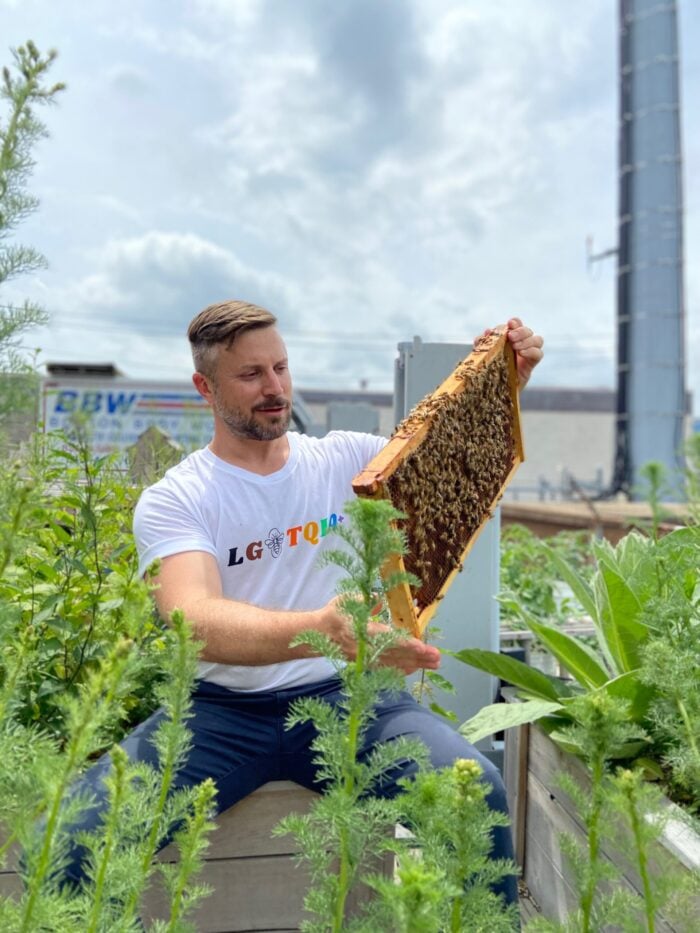
For communities and individuals looking to take action, Dr. Wilson-Rich is a believer in what he calls guerrilla gardening – spreading native seeds throughout neighborhoods as a form of civic activism. He described a viral video of a San Francisco skateboarder using a salt and pepper shaker to sprinkle native seeds along city streets, returning weeks later to find new plant growth where there had been none before.
“And in terms of evidence-based, my lab published a paper recently that looked at… a varied diet of native plants, that’s what our research shows, can really have a positive impact on bee health,” he said. “And even good nutrition can help bees have a chance to metabolize pesticides so they can stay healthy despite having different chemicals around or even to fight disease.”
Technology is also emerging as a powerful tool in pollinator recovery. Dr. Wilson-Rich’s Urban Bee Lab offers an AI-powered platform where beekeepers can report hive data and receive actionable recommendations. His Biodiversity Lab is deploying sensors that continuously identify species of bees, birds, bats, and butterflies without requiring users to actively record anything.
“We’re also working with AI for good beehives that can detect disease,” he said. “It uses a camera with AI, so it’ll look at all parts of the beehive and with the AI camera can detect disease. And it also looks for other data like the population, how much honey is there. And then it can kill the disease.”
For individuals who want to get started immediately, Dr. Wilson-Rich recommends two free apps: iNaturalist, which allows users to photograph plants and insects for expert species identification, and Merlin, an AI-powered acoustic tool that identifies bird species in real time by listening to ambient sound. Both are free and designed to plug everyday people into broader conservation monitoring networks.
His sharpest commentary, however, was reserved for the current political landscape around bee research. He pointed to USDA funding cuts under the Trump administration that are shuttering long-standing bee research labs – facilities with decades of institutional knowledge, preserved bee species samples, and support infrastructure for beekeepers across the country.
“My message is nobody’s coming to save us,” Dr. Wilson-Rich said plainly. “The government is really not coming to save us in terms of taking action on improving bee health here.”
He contrasted today’s environment with the Obama administration’s 2014 presidential memorandum, which directed all federal agencies to actively work toward improving the health of bees and monarch butterflies. That era of federal commitment, he said, feels distant now.
Still, Dr. Wilson-Rich refuses to let the conversation end in despair. He argues that collective action, community science, and native plant advocacy can move the needle in ways that don’t require government support or financial resources.
“Even with myself having a PhD and I’ve started five bee-related enterprises, I always joke that on my tombstone it’ll say, here lies Noah, plant a flower,” he said. “But the message really is that simple.”
The urgency, he insists, is now. With losses accelerating, swarm seasons shifting, and federal protections eroding, the window for meaningful intervention is narrowing.
“We can’t let people do nothing,” Dr. Wilson-Rich said. “You have to get up. You have to get outside and you have to do something.”
MORE NEWS ON EURWEB.COM: Common Toothbrushing Mistake Dentists Say You’re Making
Sign up for our Free daily newsletter HERE
The post Bee Losses Hit Crisis Levels in 2026, Expert Warns | EUR EXCLUSIVE appeared first on EURweb | Black News, Culture, Entertainment & More.