Crown & Coral: King Charles III’s Bermuda Visit Rekindles Royal Ties
By Publisher Ray Carmen In a world defined by shifting alliances and evolving identities, the arrival of King Charles III in Bermuda carries a symbolism that stretches far beyond ceremonial tradition. It is a moment where history, heritage, and modern diplomacy converge on one of the Atlantic’s most storied islands.Bermuda, with its pastel-coloured houses, pink sand beaches, and deeply rooted British legacy, has long held a unique place within the Commonwealth. Yet, like many territories navigating the 21st century, it balances pride in its identity with questions about its future. Against this backdrop, the King’s visit is more than a royal engagement , it is a statement of continuity.From the moment the royal aircraft touches down, the island transforms. Union flags flutter alongside Bermudian banners, schoolchildren gather in crisp uniforms, and the rhythm of Gombey dancers echoes through the streets , a vivid reminder that Bermuda’s culture is not simply inherited, but dynamically its own.King Charles III, known for his longstanding commitment to environmental causes, is expected to focus much of his visit on sustainability and climate resilience — issues that resonate deeply in island nations facing rising sea levels and ecological pressures. His presence underscores a shared urgency: preserving paradise is no longer optional, it is essential.Yet beyond policy and pageantry lies something more human. Royal visits have always carried an emotional weight in Bermuda , a sense of connection to a broader story. For older generations, it recalls decades of loyalty and tradition. For younger Bermudians, it invites reflection on what that relationship should look like in the future.There is also a quiet but powerful economic undertone. Tourism, a cornerstone of Bermuda’s prosperity, often experiences a renewed spotlight during royal visits. Global media attention brings the island’s beauty into living rooms worldwide, reinforcing its image as a destination where elegance meets authenticity.But perhaps the most compelling aspect of this visit is its timing. In an era where the relevance of monarchy is increasingly debated, moments like these serve as a litmus test. They reveal whether the Crown remains a distant institution , or a living symbol capable of evolving with the people it represents.As King Charles III walks the streets of Hamilton, greets residents, and engages with local leaders, the message is clear: the bond between Bermuda and the British monarchy is not frozen in history. It is being quietly rewritten in real time.And in the soft Atlantic breeze, beneath a sky that has witnessed centuries of change, Bermuda once again becomes the stage where tradition meets tomorrow.
 Black News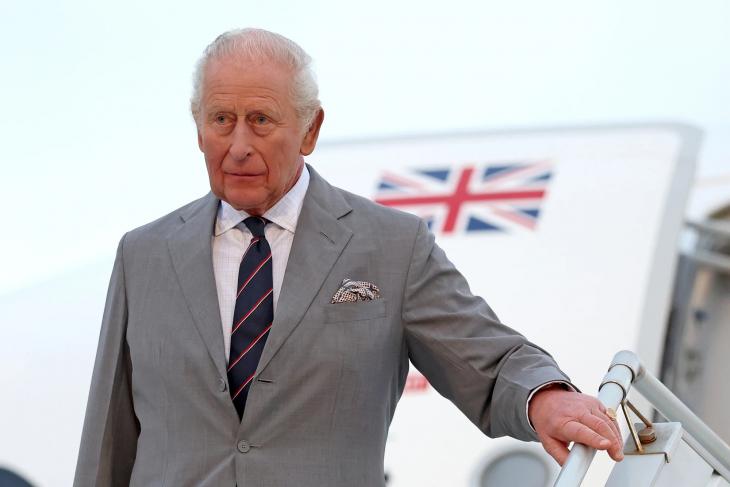
By Publisher Ray Carmen
In a world defined by shifting alliances and evolving identities, the arrival of King Charles III in Bermuda carries a symbolism that stretches far beyond ceremonial tradition. It is a moment where history, heritage, and modern diplomacy converge on one of the Atlantic’s most storied islands.
Bermuda, with its pastel-coloured houses, pink sand beaches, and deeply rooted British legacy, has long held a unique place within the Commonwealth. Yet, like many territories navigating the 21st century, it balances pride in its identity with questions about its future. Against this backdrop, the King’s visit is more than a royal engagement , it is a statement of continuity.
From the moment the royal aircraft touches down, the island transforms. Union flags flutter alongside Bermudian banners, schoolchildren gather in crisp uniforms, and the rhythm of Gombey dancers echoes through the streets , a vivid reminder that Bermuda’s culture is not simply inherited, but dynamically its own.
King Charles III, known for his longstanding commitment to environmental causes, is expected to focus much of his visit on sustainability and climate resilience — issues that resonate deeply in island nations facing rising sea levels and ecological pressures. His presence underscores a shared urgency: preserving paradise is no longer optional, it is essential.
Yet beyond policy and pageantry lies something more human. Royal visits have always carried an emotional weight in Bermuda , a sense of connection to a broader story. For older generations, it recalls decades of loyalty and tradition. For younger Bermudians, it invites reflection on what that relationship should look like in the future.
There is also a quiet but powerful economic undertone. Tourism, a cornerstone of Bermuda’s prosperity, often experiences a renewed spotlight during royal visits. Global media attention brings the island’s beauty into living rooms worldwide, reinforcing its image as a destination where elegance meets authenticity.
But perhaps the most compelling aspect of this visit is its timing. In an era where the relevance of monarchy is increasingly debated, moments like these serve as a litmus test. They reveal whether the Crown remains a distant institution , or a living symbol capable of evolving with the people it represents.
As King Charles III walks the streets of Hamilton, greets residents, and engages with local leaders, the message is clear: the bond between Bermuda and the British monarchy is not frozen in history. It is being quietly rewritten in real time.
And in the soft Atlantic breeze, beneath a sky that has witnessed centuries of change, Bermuda once again becomes the stage where tradition meets tomorrow.