Dangote fuel takes an unexpected route through Lomé as regional trade networks expand
Togo's port city of Lomé is emerging as a crucial trading and redistribution hub for fuel produced by the Dangote Petroleum Refinery, with a growing share of the refinery's output being sold offshore before making its way to markets across West Africa including back into Nigeria itself.
 Black News

Togo's port city of Lomé is emerging as a crucial trading and redistribution hub for fuel produced by the Dangote Petroleum Refinery, with a growing share of the refinery's output being sold offshore before making its way to markets across West Africa including back into Nigeria itself.
- Lomé, the port city in Togo, is becoming a key trading and redistribution hub for fuel from the Dangote Petroleum Refinery.
- A significant portion of Dangote's fuel output is sold offshore via Lomé before being shipped to various West African markets, including Nigeria.
- Between March and May 2026, over 70-80% of Nigeria's seaborne imported fuel originated at Dangote and was rerouted through Lomé.
- Lomé's ship-to-ship (STS) operations allow for the blending, storage, and redistribution of fuels to smaller ports across West Africa, increasing market efficiency and access.
Speaking during webinar organised by the Major Energy Marketers Association of Nigeria (MEMAN) on West African fuel pricing and trade flows, S&P Global Commodity Insights official Matthew Tracey-Cook said Nigerian fuel marketers are increasingly importing refined petroleum products that originated from the Dangote refinery through Lomé, according to The Punch.
"Over the last six months, if you look at the volume of products on a waterborne basis that's imported directly into Nigeria, Dangote production has become increasingly dominant," Tracey-Cook said.
DON'T MISS THIS: 5 African countries benefit as Dangote supplies 456,000 tonnes of fuel amid global oil disruption
He added that between March and May 2026, "well over 70 to 80 per cent" of fuel imported into Nigeria by sea originated from Dangote before being routed through Lomé and re-imported into the country.
The development highlights how the refinery's influence is extending beyond domestic supply, positioning it as a major force in regional fuel trade.
According to The Punch, Lomé's offshore ship-to-ship (STS) hub serves as a flexible transfer point where larger tankers discharge cargoes that are subsequently loaded onto smaller vessels better suited to ports across West Africa with limited berthing capacity.
The arrangement enables traders to consolidate shipments, blend products, access a wider network of buyers and optimise pricing opportunities across multiple markets. It also provides a commercially attractive outlet for Dangote's coastal refinery, allowing products to be traded internationally before reaching their final destinations.
DON'T MISS THIS: Lifting fuel from Dangote refinery costs more than importing from Togo, Dangote reveals
Tracey-Cook noted that fuel cargoes exported through Lomé frequently return to Lagos, suggesting that trading dynamics and pricing opportunities can sometimes make offshore transactions more attractive than direct domestic sales.
Data presented during the webinar showed that Lomé handled significantly larger product volumes during parts of late 2025, reinforcing its growing status as one of West Africa's most important fuel redistribution centres.
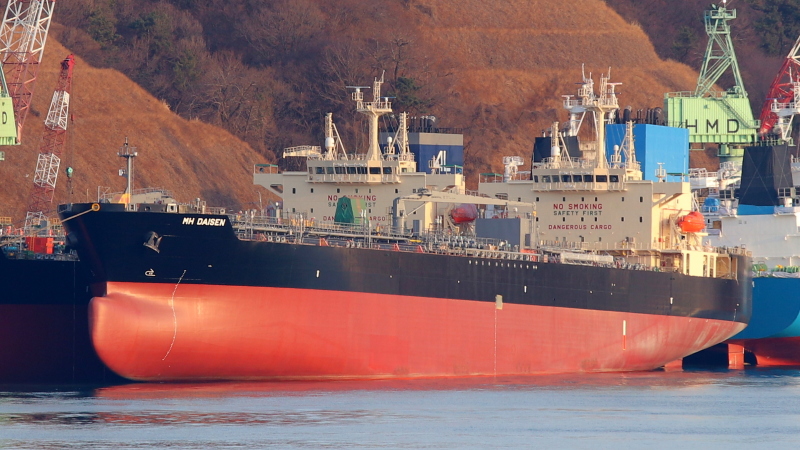
Tracey-Cook described the Dangote refinery and Lomé's STS market as the twin pillars of the region's petroleum supply network.
"These two locations, the FOB Dangote market and also the STS Lomé market, are the two largest and most important regional hubs of supply in the region as a whole," he said.
Why Lomé has become a key hub for Dangote fuel
The trend has shown Lomé's growing importance as a regional trading centre rather than merely a transit point.
DON'T MISS THIS: Dangote exposes black market fuel cartels undermining refinery development in Africa
Rather than moving directly from refinery to end-user markets, a growing share of fuel produced by Dangote is now entering a regional trading network centred around Lomé.
Cargoes shipped from Nigeria are bought, sold, stored, blended and redistributed through the offshore hub before reaching destinations across West Africa.
The system allows large tankers to offload products into smaller vessels capable of accessing ports that cannot accommodate bigger ships, improving logistical efficiency and widening market access throughout the region.
In effect, Lomé is functioning as an offshore marketplace for Dangote fuel. Instead of a straightforward refinery-to-customer route, products increasingly pass through international trading channels where merchants can seek better prices, consolidate cargoes and manage supply across several countries from a single location.
This shift reflects a broader transformation in Dangote Refinery's role within the regional energy market. As production continues to ramp up, the facility is evolving from a refinery focused primarily on Nigeria's domestic market into a major export hub supplying fuel across West Africa.
More importantly, the rise of Lomé suggests that the region's fuel pricing dynamics may increasingly be influenced by trading activity beyond the refinery gate.
DON'T MISS THIS: West Africa's fuel imports surge as Dangote refinery undergoes maintenance, cuts output
As Dangote cargoes are bought, sold, stored and redistributed through the offshore hub, the final cost of fuel is shaped not only by refinery prices but also by freight rates, storage costs, trader margins and regional supply-demand conditions.
For countries such as Nigeria, this could mean that fuel prices become more closely linked to regional trading economics rather than solely to domestic refining costs. In effect, while Dangote may produce the fuel, a growing share of its market value could be determined within regional trading networks where products are exchanged before reaching consumers.
Although Dangote Refinery remains West Africa's largest source of refined petroleum products, Lomé's emergence as a major trading hub points to a future in which the pricing of fuel may be influenced as much by where products are traded and redistributed as by where they are produced.