Dangote Refinery exceeds design capacity, processes over 700,000 barrels in major operational test
Nigeria's Dangote Petroleum Refinery has achieved a major operational milestone, processing 700,000 barrels of crude oil per day during a recent performance test, exceeding its official nameplate capacity of 650,000 barrels per day.
 Black News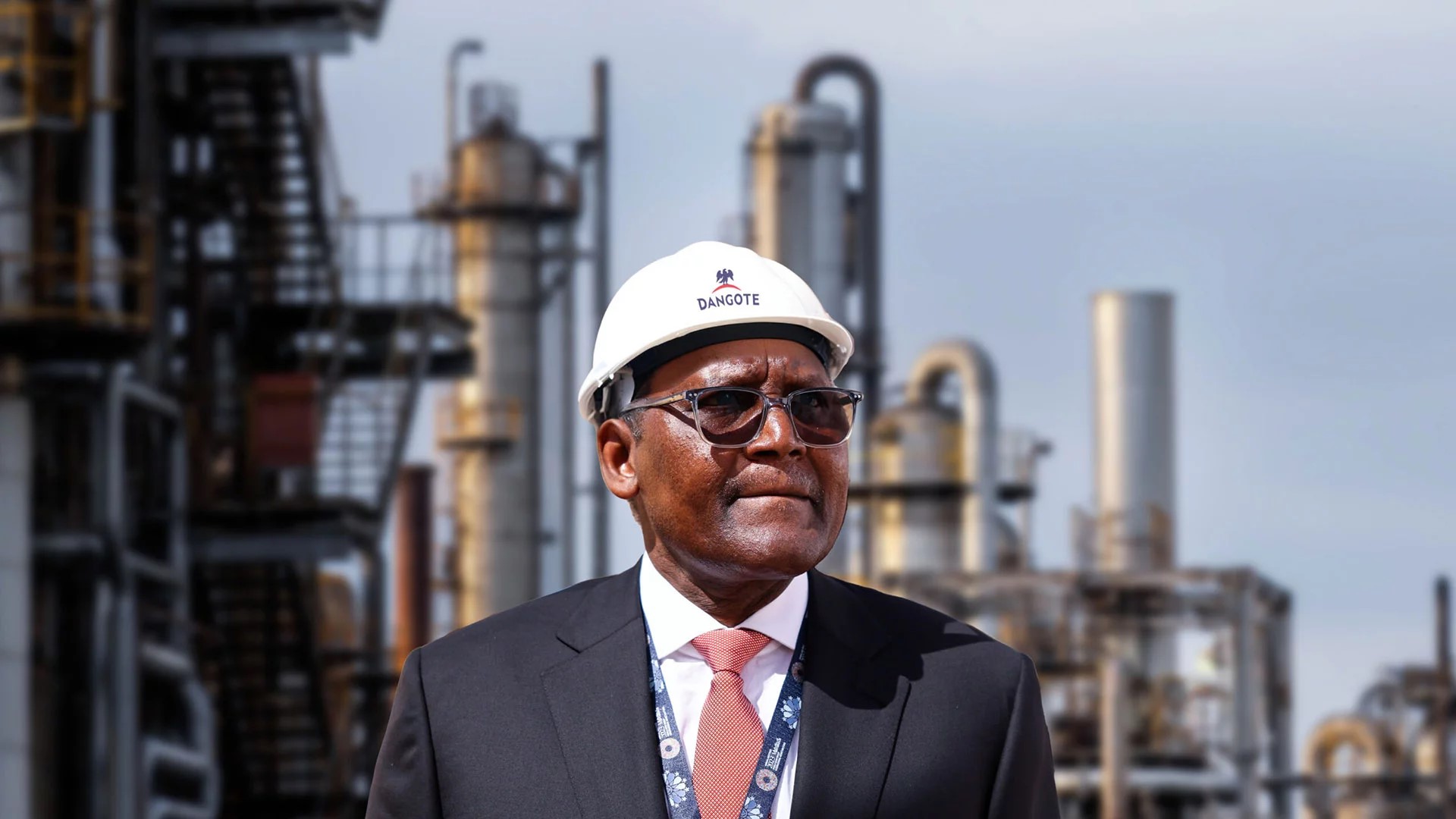

Nigeria's Dangote Petroleum Refinery has achieved a major operational milestone, processing 700,000 barrels of crude oil per day during a recent performance test, exceeding its official nameplate capacity of 650,000 barrels per day.
- Dangote Petroleum Refinery in Nigeria processed 700,000 barrels of crude oil per day during a performance test, surpassing its official capacity.
- This marks a major milestone for the $20 billion facility owned by Aliko Dangote, which started production in 2024 after several delays.
- The refinery plans to double its processing capacity to 1.4 million barrels per day in the next 30 months, aiming to become one of the world's largest refining complexes.
- Exports from the refinery have increased sharply, with about half going to other African countries, helping reduce Africa’s dependence on imported fuels.
The development marks another significant step for the $20 billion facility, which began producing refined petroleum products in 2024 after years of construction delays and financing challenges.
Owned by Africa's richest man, Aliko Dangote, the refinery has rapidly transformed from one of the continent's most ambitious industrial projects into a key supplier of petrol, diesel, aviation fuel, and other refined products.
According to Devakumar Edwin, Vice President of Oil and Gas at Dangote Industries, the successful test run was conducted by process licensors and forms part of a broader strategy to expand the refinery's processing capacity to 1.4 million barrels per day within the next 30 months.
If achieved, such an expansion would place the facility among the largest refining complexes in the world, rivalling some of the biggest plants in Asia and the Middle East.
The refinery's rapid scale-up comes at a time when global fuel supply chains are facing renewed uncertainty. Escalating tensions in the Middle East have disrupted traditional trade flows, prompting many African countries to seek alternative and more reliable sources of refined petroleum products.
Dangote Refinery has emerged as one of the primary beneficiaries of that shift. Data from energy analytics firm Kpler shows exports from the refinery climbed sharply from 168,000 barrels per day in February to 353,000 barrels per day in April.
Roughly half of those exports were shipped to other African countries, underscoring the refinery's growing role in reducing the continent's dependence on imported fuels from Europe and Asia.
Although exports eased slightly to 285,000 barrels per day in May, analysts say the broader trend points to the emergence of a new regional refining hub.
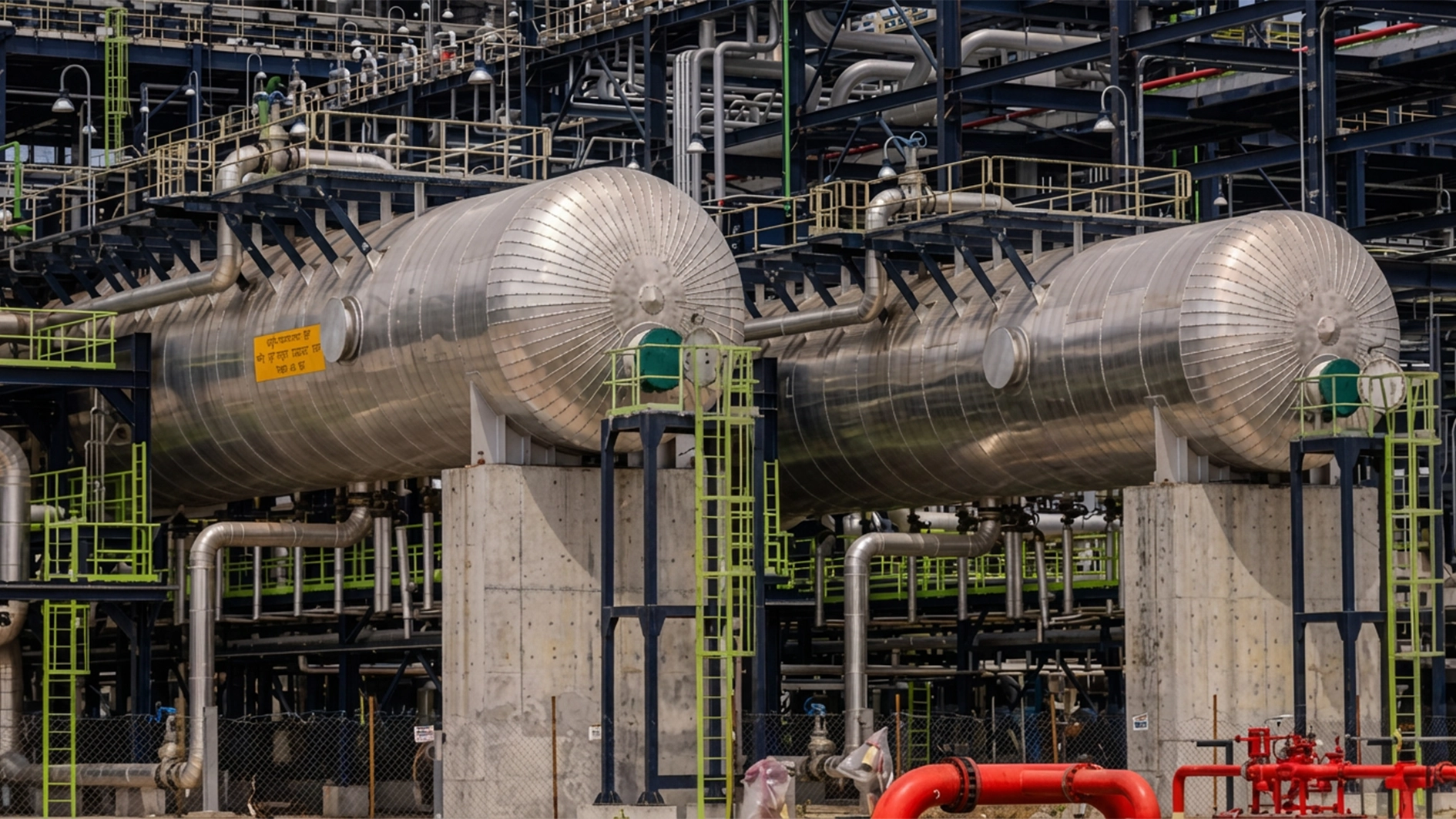
Fueling Africa's Energy Shift
For decades, Africa's largest crude oil producers have paradoxically depended on imported refined products due to limited domestic refining capacity. Nigeria, despite being Africa's top oil producer, spent billions of dollars annually importing petrol while its state-owned refineries operated far below capacity.
Dangote's entry into the market has begun to alter that equation. The refinery now supplies fuel to several African markets and exports products to Europe, including the United Kingdom, France, and the Netherlands. It has also shipped cargoes to the United States and Saudi Arabia, highlighting its growing reach in international energy markets.
Beyond petrol and diesel, the refinery is increasingly becoming a major supplier of aviation fuel. Earlier this week, Chief Executive Officer David Bird revealed that the facility has accumulated substantial jet fuel inventories and is well-positioned to meet demand in global markets.
The refinery's success is also attracting greater interest from international crude suppliers and commodity trading houses seeking access to one of the world's newest large-scale refining centres.
While challenges remain, including securing sufficient crude feedstock and maintaining profitability amid volatile global energy markets, the latest processing milestone signals that the refinery is moving closer to realising its original vision.