D.C. budget hearings advance amid budget cut concerns
The D.C. Council is reviewing Mayor Bowser’s $1.1B deficit budget, with hearings through May 12 and a first vote expected June 9. Advocates raise concerns on proposed cuts to child care subsidies and the Early Childhood Educator Pay Equity Fund. The post D.C. budget hearings advance amid budget cut concerns appeared first on AFRO American Newspapers.
 Black News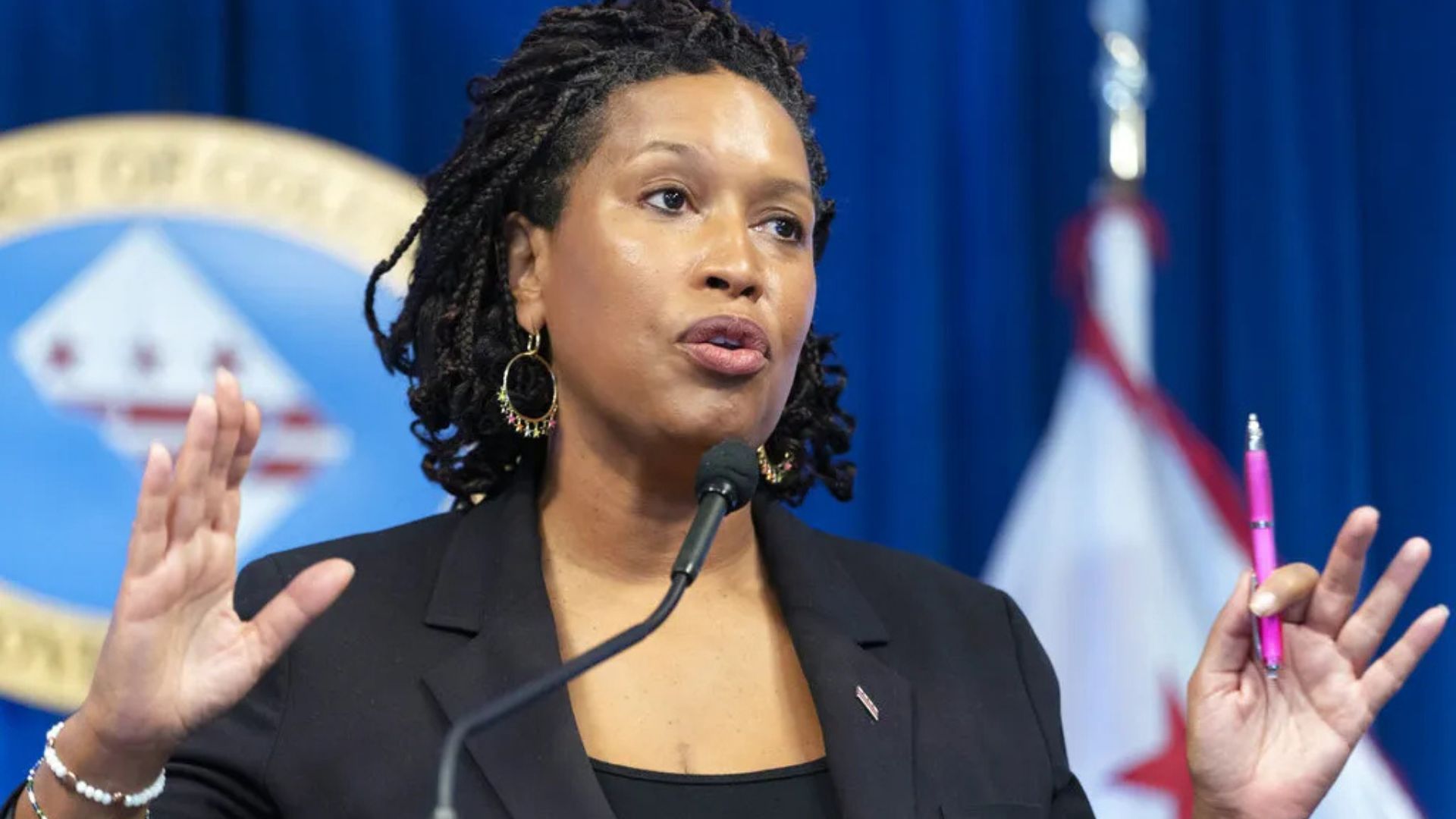

By Tashi McQueen
AFRO Staff Writer
tmcqueen@afro.com
The D.C. Council is conducting a series of budget oversight hearings on Mayor Muriel Bowser’s (D) proposed fiscal year 2027 budget. The hearings come as the city confronts a $1.1 billion deficit and potential reductions to key public programs, including child care subsidies and the Early Childhood Educator Pay Equity Fund.

The annual budget determines how much money is allocated to city services such as schooling, policing, housing and health care.
Hearings began April 20 and are scheduled to continue through May 12. According to Council Chair Phil Mendelson (D), the council is expected to take a first vote on the budget by June 9. The budget must pass two council votes before being sent to Congress for review, where federal lawmakers can block or modify it. The council’s budget process is not expected to conclude until around June 23.
The mayor’s proposed budget has raised concerns from advocates and council members over cuts to child care subsidies and the Pay Equity Fund.
“I would say that the council overwhelmingly wants to see the pay equity fund restored and wants to see the child care subsidy adequately budgeted,” Mendelson said, in a live streamed media briefing on April 20.
Under 3 D.C., a coalition of early childhood educators and advocates, released a statement April 10 criticizing the proposed cuts, saying they would increase child care costs for families and roll back recent wage gains for educators.
“To eliminate the Pay Equity Fund ($60 million cut) and further squeeze an already tightened knot on the District’s Child Care Subsidy Program (underfunding by $25 million compared to expected FY26 spending) is cruel to district families doing their best to raise their kids in the city and make ends meet,” the coalition said. “The more than 4,000 early childhood educators who took district policymakers up on their promise of increased wages if they improved their education and professionalized the sector are almost back at square one in terms of their own economic stability.”

According to Under 3 D.C., the proposed budget would cap child care subsidies at 6,000 children, even though 7,300 are currently enrolled.
Bowser defended her budget proposal during a live-streamed presentation April 10, saying families want more affordable and accessible child care options.
“What I hear most from families is they want more opportunities for child care, more quality spots, and they want it to be less expensive,” Bowser said. “We don’t think the pay equity fund does that. It’s not a childcare affordability fund, it is more of an income support fund for child care workers…that is not what people are saying .”
Bowser said she based her decisions on what to cut or reduce funding for by asking three questions: whether a program attracts families, whether it attracts jobs, or whether it simply costs money.
Under 3 D.C. has also emphasized the importance of the Pay Equity Fund for District residents, particularly Black and brown women, who make up a majority of the early childhood education workforce. Advocates say these workers have long been underpaid and undervalued due to the combined effects of racism and sexism.
Prior to the fund, early educators with a bachelor’s degree in D.C. were paid about 33 percent less than their counterparts teaching grades K–8.
An oversight hearing with the Office of the State Superintendent of Education, which oversees both child care subsidies and the Pay Equity Fund, is scheduled for May 7.
The post D.C. budget hearings advance amid budget cut concerns appeared first on AFRO American Newspapers.