Do parents and community know about ESRAC, support children with Special needs?
TANZANIA: HOW many parents and citizens in Tanzania know where to take a child when they begin struggling to hear, see, communicate, learn, move or develop at the same pace as other children? How many know services available to identify such challenges before school? These questions matter as Tanzania strengthens inclusive education and seeks to … The post Do parents and community know about ESRAC, support children with Special needs? appeared first on Daily News.
 Black News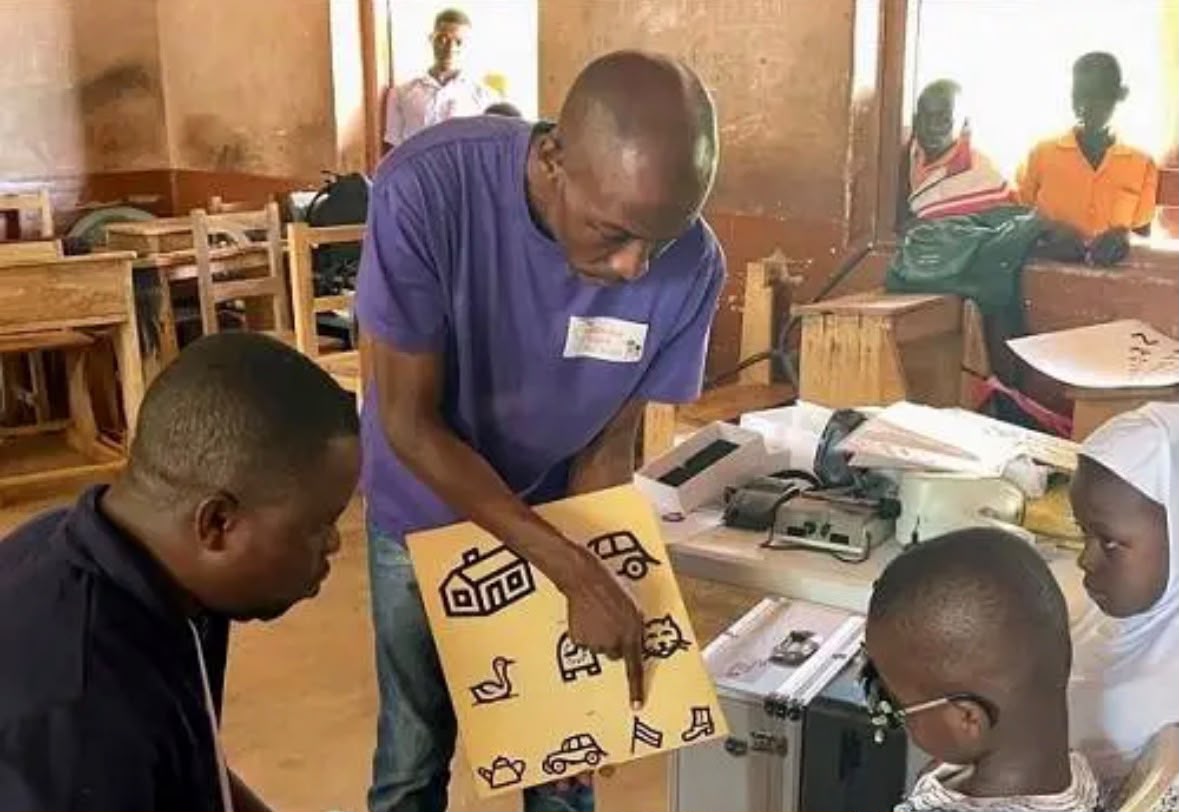
TANZANIA: HOW many parents and citizens in Tanzania know where to take a child when they begin struggling to hear, see, communicate, learn, move or develop at the same pace as other children? How many know services available to identify such challenges before school?
These questions matter as Tanzania strengthens inclusive education and seeks to ensure children with disabilities and other special educational needs are not left behind. Yet early identification and assessment remain less visible to the wider public. At centre are Educational Support, Resource and Assessment Centres, commonly known as ESRACs. They are intended to identify children facing barriers to learning.
ESRACs also assess educational needs and connect children with appropriate support. Government guidelines envisage them supporting children in schools and communities, training personnel and providing teaching and learning resources. Their importance becomes clearer when difficulties are not immediately visible.
A child struggling with reading, writing, mathematics, communication, attention or social interaction may be misunderstood as lazy, slow or unwilling to learn. Yet such difficulties may signal a disability or special educational need requiring professional assessment.
A 2025 Ministry of Education learning product on screening, identification and assessment found Tanzania has official tools for early identification of learners with disabilities.
However, many teachers involved in the project reported limitations in time and capacity to use the tools comprehensively. As a result, teachers sometimes relied on informal observation, which can miss subtle or less visible disabilities. The project screened 852 children in six schools using governmentapproved tools. Of these, 166 were identified as potentially having a disability and requiring further assessment at an ESRAC.
At the time of the report, some children had not yet undergone assessment, illustrating the gap between identifying a possible need and accessing specialised assessment. This raises a critical question about public awareness: if teachers face limitations in screening, what happens to children not yet in school? Who identifies them, where do parents go and how easily can families access an ESRAC? For many families, first signs appear at home. A parent may notice delayed speech, difficulty responding to sound, poor vision, movement difficulties or repeated struggles with activities peers manage at the same age.
Recognising a sign, however, is not the same as understanding its cause. A 2026 qualitative study on early identification and referral in Mainland Tanzania found coordination challenges between government institutions and non-governmental organisations. It also identified differing disability definitions, stigma, misinformation and limited training and resources among community health workers. These challenges mean awareness must go beyond telling parents that disability exists.
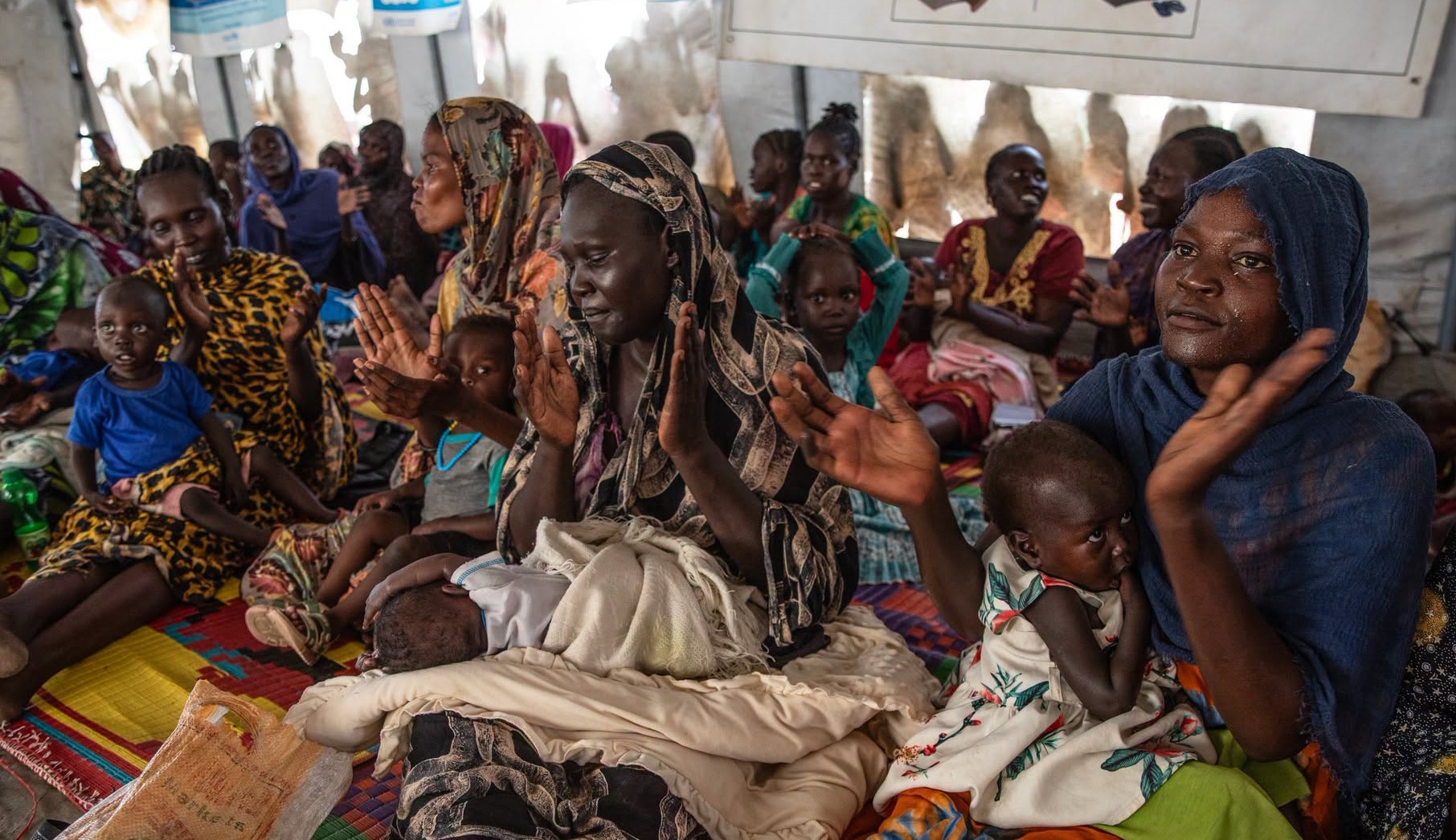
Families need practical information about signs to watch, where to seek help, what assessment involves and what happens after a child is identified. This prompted me, as a journalist, to conduct a random survey among citizens and parents to assess their general knowledge of ESRACs, including whether they understand its purpose, services and importance in early identification and support of children with special needs. One parent, Agnes Mihambo, said she had never heard of ESRAC or understood its role previously.
She said, like many parents, she was unaware that such services existed or where to seek assistance when developmental challenges appeared. “I had never heard about ESRAC before. I did not know that there were centres or services specifically designed to help identify children with special needs at an early stage,” Mihambo explained.
ALSO READ: Education empowers children with special needs to thrive confidently
Her experience highlights a wider public awareness gap, particularly among parents who are often first to notice developmental changes. Without adequate information, some parents may delay professional assessment and support, potentially affecting access to appropriate interventions before and after school. She also stressed that awareness efforts must extend beyond establishing centres.
Parents and communities should be reached through schools, health facilities, community meetings, media campaigns and other platforms offering simple, practical information. Mihambo noted that when families do not know where to seek help, they may continue waiting and hoping a child will improve without assessment.
Limited awareness can therefore delay identification, meaning a child may reach school age without appropriate assessment or support. By then, challenges in learning, communicating or interacting with peers may already be established. Another source, Derrick Msagati, provided a broader perspective on the issue. He said parents unaware of available services may rely on friends, relatives or community members lacking accurate knowledge. This can leave families without clear guidance.
He noted parents need someone to explain what is happening and where to get help. For parents, ESRAC awareness means understanding when assessment may be needed, where to seek professional help and how to access support.
HakiElimu’s June 2026 “Tuwatambue Mapema, Tuwasaidie Vema” campaign reported only 36 of 184 councils had ESRAC centres, many facing shortages of infrastructure, equipment and skilled personnel. For families without centres, travel costs and distance can delay assessment and support.
The post Do parents and community know about ESRAC, support children with Special needs? appeared first on Daily News.