Ebola Outbreak in DR Congo and Uganda Triggers US Emergency Response
A renewed Ebola outbreak in Central Africa has triggered international concern after cases linked to the rare Bundibugyo strain were detected in the Democratic Republic of Congo (DRC) and neighbouring Uganda, prompting the United States to impose emergency travel restrictions and release millions of dollars in containment funding. Health officials say the outbreak began in [...]
 Black News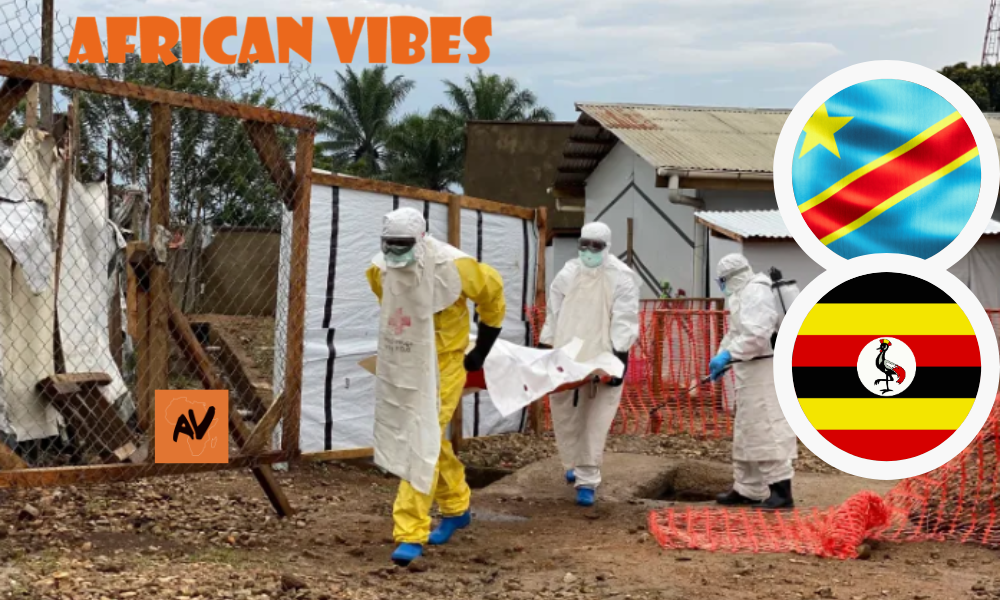
A renewed Ebola outbreak in Central Africa has triggered international concern after cases linked to the rare Bundibugyo strain were detected in the Democratic Republic of Congo (DRC) and neighbouring Uganda, prompting the United States to impose emergency travel restrictions and release millions of dollars in containment funding.
Health officials say the outbreak began in Ituri Province in north-eastern DRC, a region bordering Uganda and South Sudan that has long struggled with conflict, weak healthcare infrastructure, and porous borders. Authorities in Uganda later confirmed an imported Ebola case in Kampala involving a traveller from the DRC, intensifying fears of wider regional spread.
The World Health Organization (WHO) has classified the outbreak as a major international health concern, warning that cross-border transmission remains a serious risk if containment efforts fail.
ALSO READ: U.S. Quietly Reverses Immigration Restrictions for Foreign Doctors
A Rare Ebola Strain Raises Concern
The outbreak involves the Bundibugyo strain of Ebola, a less common variant first identified in Uganda in 2007. Unlike the more familiar Zaire strain, which has approved vaccines and established treatment protocols, there is currently no licensed vaccine specifically designed for Bundibugyo Ebola.
Medical experts say the absence of a targeted vaccine complicates efforts to contain the virus, particularly in densely populated border regions where surveillance remains limited.
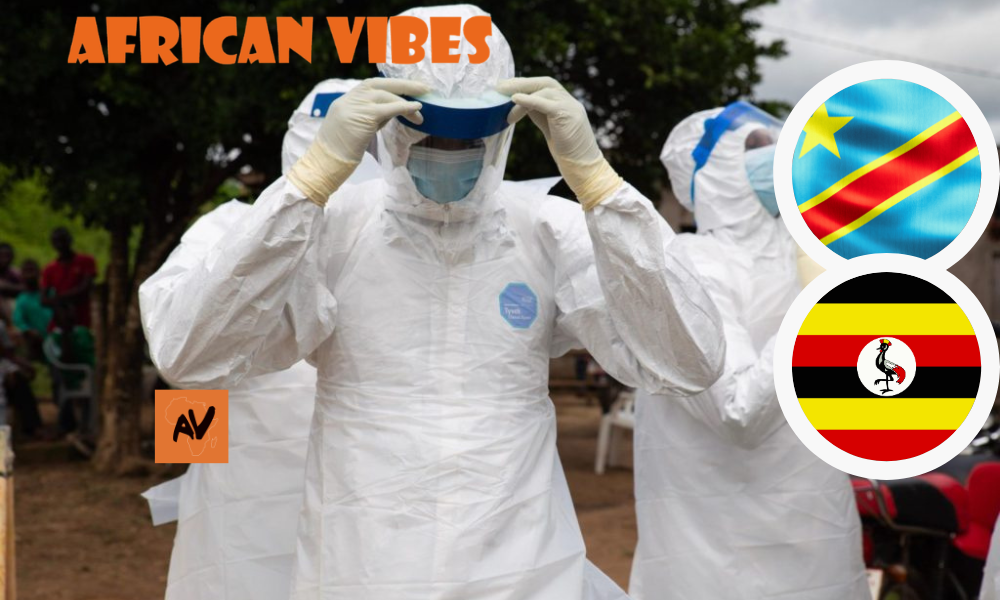
Officials in DRC have reported dozens of suspected infections and multiple deaths in affected communities in Ituri Province. Emergency response teams have been deployed to trace contacts, isolate suspected cases, and expand laboratory testing.
Uganda’s Ministry of Health has meanwhile heightened national surveillance measures following the confirmed imported case in Kampala, including screening procedures at border crossings and transport hubs.
Why the Border Region Is Vulnerable
The outbreak has once again exposed the vulnerability of the DRC–Uganda border corridor, where thousands of people cross daily for trade, work, and family connections.
Many crossings remain informal and difficult to monitor, creating conditions that allow infectious diseases to spread rapidly before authorities can intervene.
The region has faced similar challenges before. During the 2018–2020 Ebola outbreak in eastern DRC, several cases crossed into Uganda, forcing both countries to activate emergency response systems.
Public health experts warn that ongoing insecurity in eastern DRC, combined with displacement and limited healthcare access, could hamper efforts to contain the virus quickly.
US Introduces Travel Restrictions and Emergency Funding
In response to the outbreak, the United States announced temporary emergency measures aimed at reducing the risk of international transmission.
Under new guidance issued by the US Centers for Disease Control and Prevention (CDC), non-US citizens who have recently travelled through DRC, Uganda, or South Sudan may face a 30-day entry suspension if they have been in those countries within the previous 21 days. Exceptions apply to US citizens, military personnel, and certain government officials.
Washington has also released approximately $13m (£10m) in emergency funding to support containment operations in affected areas.
The funding is expected to support:
- Emergency laboratory services
- Protective equipment for healthcare workers
- Rapid-response medical teams
- Border health screening
- Community surveillance programmes
- Contact tracing operations
US agencies including the CDC and USAID are coordinating with African governments, regional health authorities, and the WHO to strengthen outbreak monitoring and response capacity.
ALSO READ: Diplomatic Tensions Flare as Xenophobia Unrest Grips South Africa
The Challenge of Containing Ebola
Containing Ebola outbreaks depends heavily on speed, trust, and local cooperation.
Health teams are now working to identify everyone who may have come into contact with infected individuals, while treatment centres are being prepared for additional cases.
However, previous outbreaks in eastern DRC have shown that misinformation, fear, and distrust of authorities can significantly slow response efforts. Insecurity caused by armed groups operating in parts of Ituri Province may also complicate access to affected communities.
Health experts note that Ebola’s incubation period — which can last up to 21 days — means infected individuals may travel before showing symptoms, increasing the risk of regional and international spread.
That risk is amplified by East Africa’s growing international air links through hubs such as Nairobi, Addis Ababa, Kigali, and Kampala.
Comparisons With Earlier Ebola Crises
| Outbreak | Region | Key Concern | International Response |
|---|---|---|---|
| 2014–2016 West Africa | Guinea, Liberia, Sierra Leone | Large-scale urban transmission | WHO emergency declaration, global medical deployments |
| 2018–2020 Eastern DRC | North Kivu and Ituri | Conflict-zone containment challenges | Vaccination campaigns and regional surveillance |
| 2026 DRC–Uganda Outbreak | Ituri Province and Uganda | Bundibugyo strain with no approved vaccine | US travel restrictions and emergency funding |
While experts say the current outbreak remains geographically limited, they stress that the coming weeks will be critical in determining whether the virus can be contained before wider international spread occurs.
Economic and Political Implications
Beyond the immediate health concerns, the outbreak may also carry economic consequences for East Africa.
Travel restrictions, heightened border controls, and public fear could disrupt regional trade, tourism, and investment if the situation worsens.
Analysts say the US response also reflects a broader shift in how governments approach global health threats following the Covid-19 pandemic, with faster political action now accompanying infectious disease outbreaks.
At the same time, international agencies have cautioned against measures that could stigmatise affected countries or discourage transparency during public health emergencies.
A Narrow Window for Containment
Public health officials say the opportunity to contain the outbreak still exists, but only if surveillance, testing, and regional cooperation are strengthened rapidly.
For communities in eastern DRC and Uganda, the priority remains preventing another devastating Ebola crisis. For the wider world, the outbreak serves as a reminder that infectious diseases can quickly evolve from local emergencies into international threats in an increasingly connected world.