From the mic to the Minister: Farrakhan’s voice in hip-hop
For decades, rap artists have sampled, quoted and referenced the Nation of Islam leader as a symbol of Black consciousness, discipline and resistance CHICAGO—On street corners across Black America, young men in suits sold The Final Call newspaper while boom boxes blasted Public Enemy, Ice Cube and Brand Nubian. Bean pies sat beside cassette tapes […] The post From the mic to the Minister: Farrakhan’s voice in hip-hop appeared first on Final Call News.
 Black News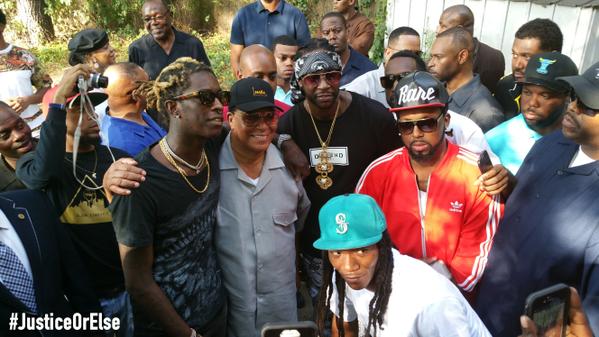
For decades, rap artists have sampled, quoted and referenced the Nation of Islam leader as a symbol of Black consciousness, discipline and resistance
CHICAGO—On street corners across Black America, young men in suits sold The Final Call newspaper while boom boxes blasted Public Enemy, Ice Cube and Brand Nubian.
Bean pies sat beside cassette tapes in HBCU dormitories throughout the South. Conversations about survival, spiritual structure and Black empowerment flowed from barbershops to bus stops to rap lyrics.
Long before hip-hop became a billion-dollar industry fueled by corporate sponsorships, streaming platforms and luxury brand partnerships, the voice of the Honorable Minister Louis Farrakhan and the teachings of the Nation of Islam became woven into the soundtrack of a generation searching for identity, purpose and direction.
From Bronx sidewalks to lowriders cruising through South Central Los Angeles, references to Minister Farrakhan echoed through rap lyrics, concert stages and album intros. Sometimes artists quoted him directly.
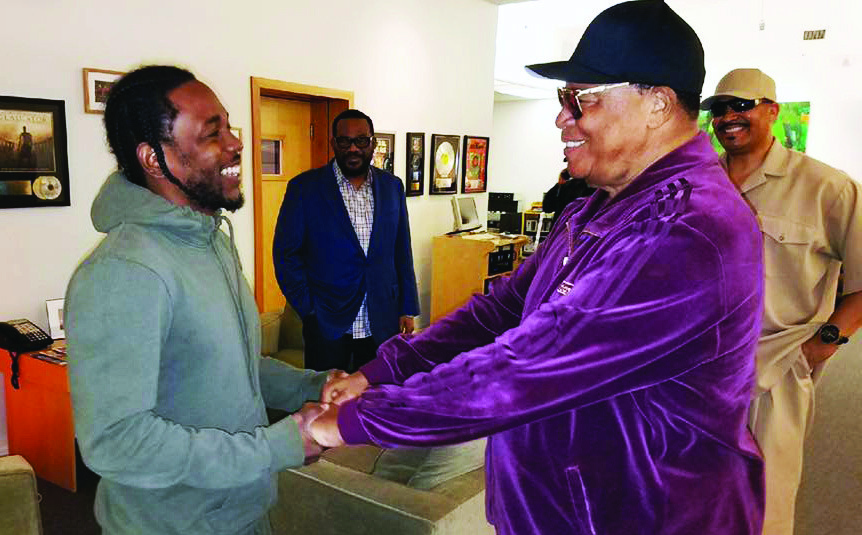
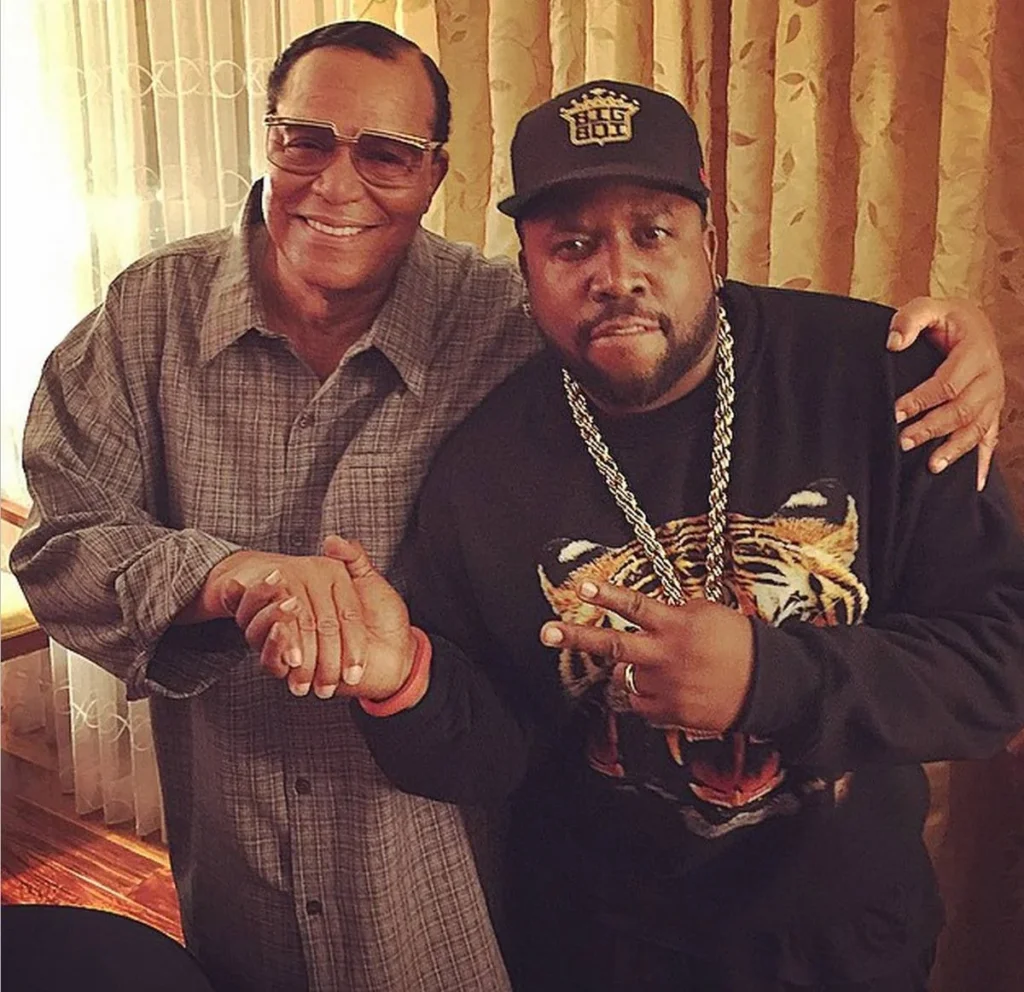
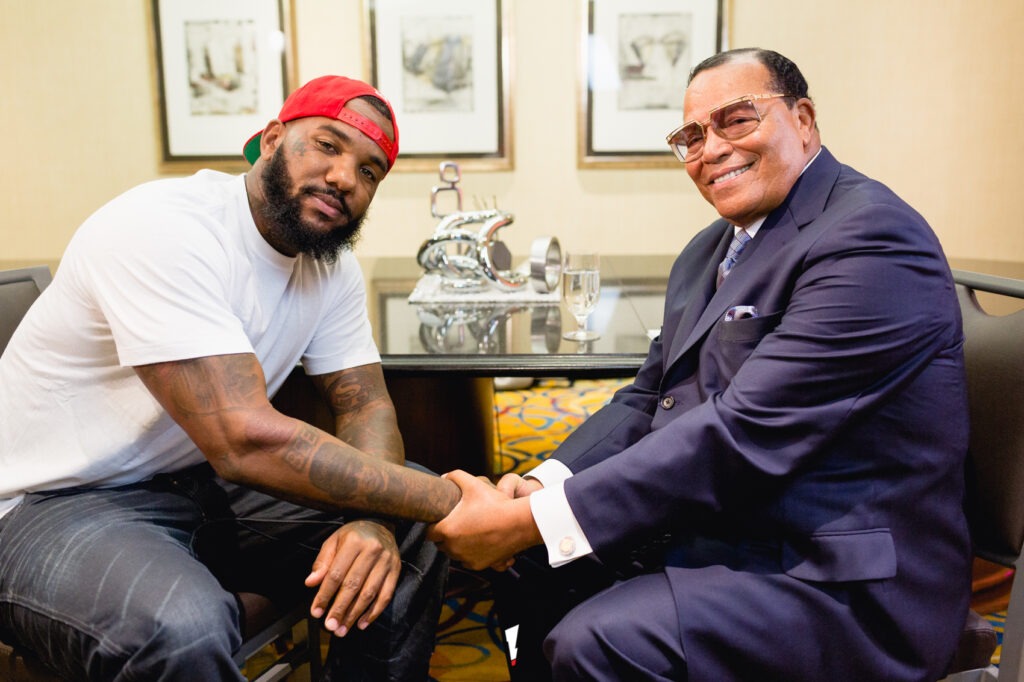
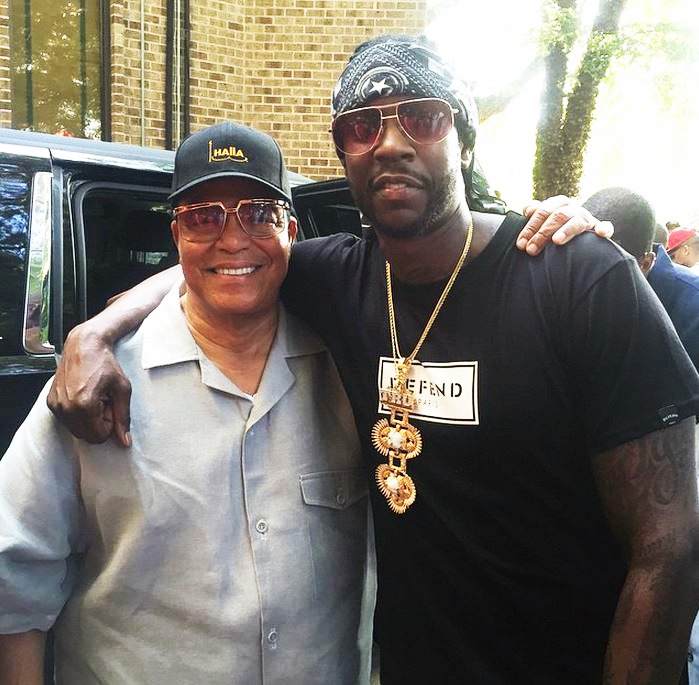
Other times, they sampled his speeches, invoked his name as a symbol of Black leadership, or mirrored themes of self-determination, accountability, and political awakening central to the Nation’s teachings. Minister Farrakhan has embraced the hip-hop community since its inception.
For many young Black listeners during the crack cocaine era, in the early 80s, the rise of mass incarceration and the post-Civil Rights Movement, Minister Farrakhan represented one of the few national and international Black voices consistently speaking about economic independence, discipline.
Community responsibility and cultural identity. Hip-hop artists absorbed those ideas alongside the realities of street violence, aggressive policing and urban neglect.
In hip-hop’s Golden Era of the late 1980s and early 1990s, politically conscious rap emerged as both cultural expression and protest music. Public Enemy brought unapologetic Black political commentary into mainstream music during a period marked by racial tension and heightened public scrutiny of Black leadership.
On “Bring the Noise,” Chuck D declared, “Farrakhan’s a prophet that I think you ought to listen to …” a lyric that became one of the clearest acknowledgments of the Minister’s influence within mainstream rap culture.
The line later resurfaced in the group’s collaboration with Anthrax on “Bring tha Noise,” helping introduce politically charged hip-hop themes to wider audiences across racial and musical lines.
That sentiment stretched from the East Coast to the West Coast. Following his departure from N.W.A., Ice Cube embraced a more politically charged direction in his music. He reinforced Minister Farrakhan’s standing among artists seeking ideological grounding during an era marked by gang violence, economic struggle and social unrest.
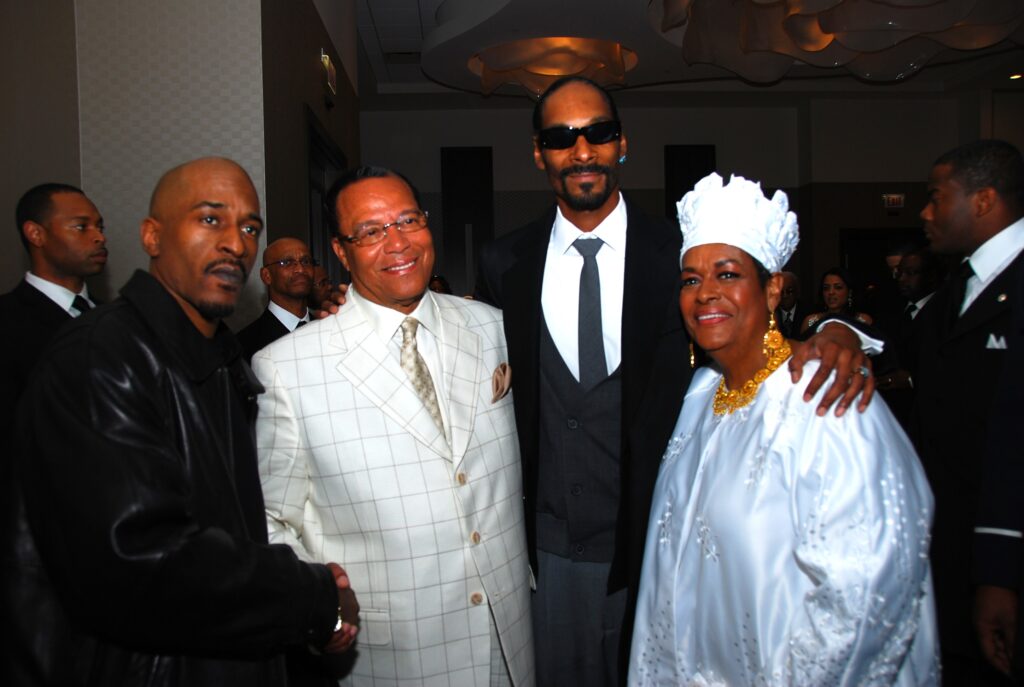
The influence extended far beyond direct references.
Groups such as X-Clan and Poor Righteous Teachers infused their music with themes of self-knowledge, spiritual awakening, economic independence and Black pride.
Big Daddy Kane also incorporated Nation of Islam imagery and Minister Farrakhan samples into his music. On “Young, Gifted and Black,” Kane opened with a Farrakhan sample, reflecting the growing intersection between hip-hop and Black political consciousness during the era.
While some artists drew from the Five Percent Nation and other traditions, many listeners associated the broader movement of conscious rap with the Nation of Islam’s emphasis on study, discipline and community uplift.
As hip-hop evolved through the 1990s, references to Minister Farrakhan became more layered and symbolic. Artists such as Nas and Tupac frequently explored themes of systemic oppression, Black leadership and resistance, even when not directly naming the Minister in their lyrics.
Tupac’s “I Ain’t Mad at Cha” reflected another side of the spiritual and cultural conversations taking place within hip-hop during the 1990s. In the song’s video, one of Tupac’s friends undergoes a transformation from street life to a more disciplined lifestyle associated with Nation of Islam imagery.
The visual reflected a familiar transformation visible in many Black communities during that era: young men attempting to move from chaos toward discipline, spirituality and self-respect.
Rather than mocking the change, Tupac framed it with understanding and respect, reinforcing hip-hop’s ongoing dialogue about redemption, consciousness and survival.
On his 2008 Untitled project, Nas directly referenced efforts to silence controversial Black leaders, repeating the phrase, “They did not have the power to stop Louis Farrakhan” framing the Minister as part of a lineage of influential Black voices frequently targeted or marginalized in mainstream discourse.
Meanwhile, artists continued incorporating Nation-related imagery and language into mainstream rap culture. Album liner notes, interviews and concert speeches often reflected admiration for Minister Farrakhan’s advocacy on issues affecting Black America.
By the 2000s and 2010s, Minister Farrakhan references evolved from direct ideological endorsements into broader symbols of authority, intellect and fearlessness.
On DJ Khaled’s “God Did,” Jay-Z invoked the Minister while reflecting on media criticism and public scrutiny. “Sometimes I feel like Farrakhan talkin’ to Mike Wallace …”
He rapped, referencing the Minister’s televised exchange with veteran journalist Mike Wallace and comparing his own experiences navigating criticism to Minister Farrakhan’s confrontations with mainstream media.
Even artists not traditionally associated with conscious rap occasionally invoked Minister Farrakhan as a symbol of authority, discipline and influence.
Likewise, Freddie Gibbs has referenced Minister Farrakhan across multiple songs and interviews, often using his name as a metaphor for seriousness, leadership and intellectual authority.
The references illustrated how Minister Farrakhan’s symbolic presence continued to extend into newer generations of rap artists beyond the explicitly political era of hip-hop.
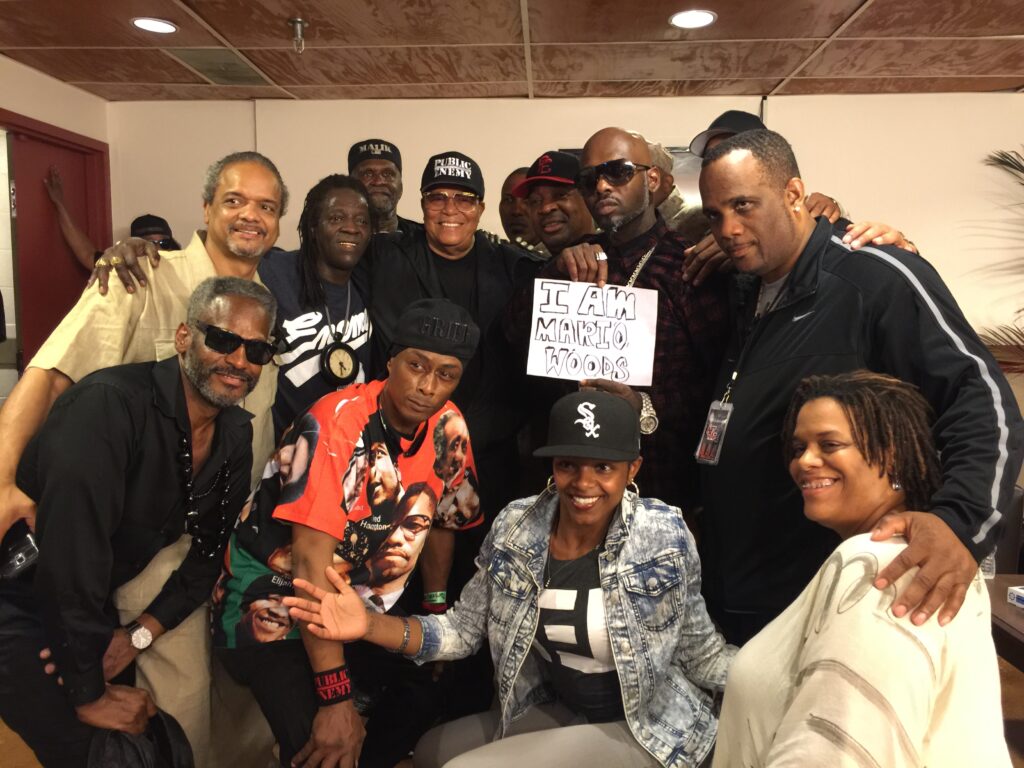
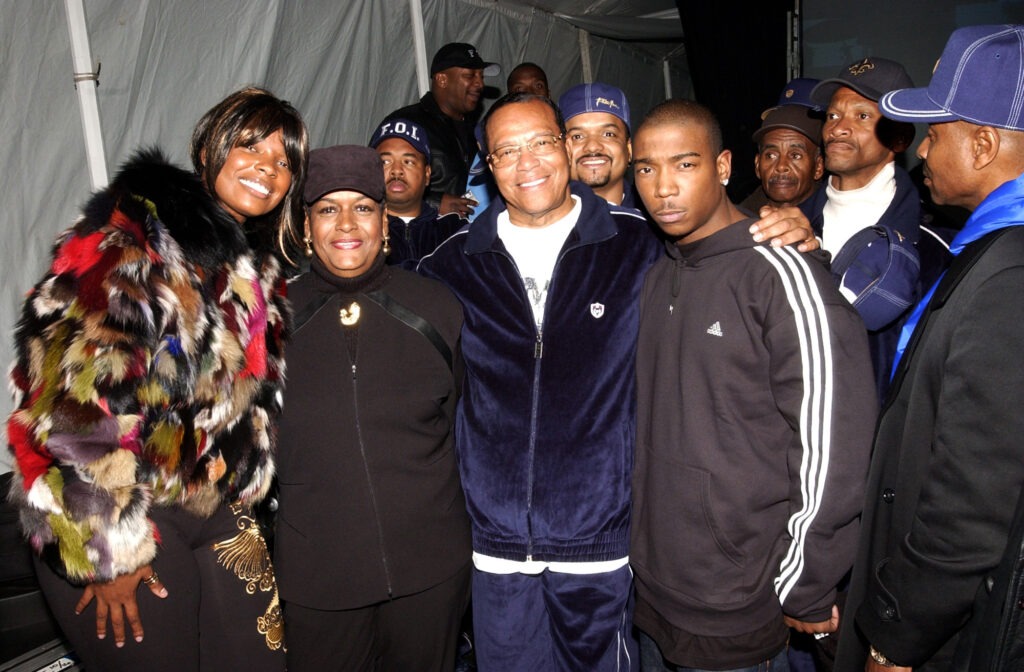
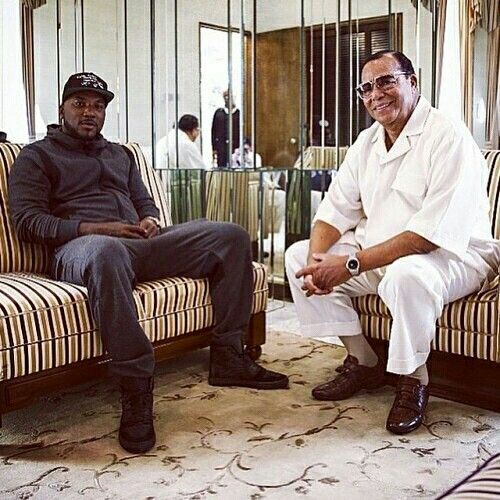
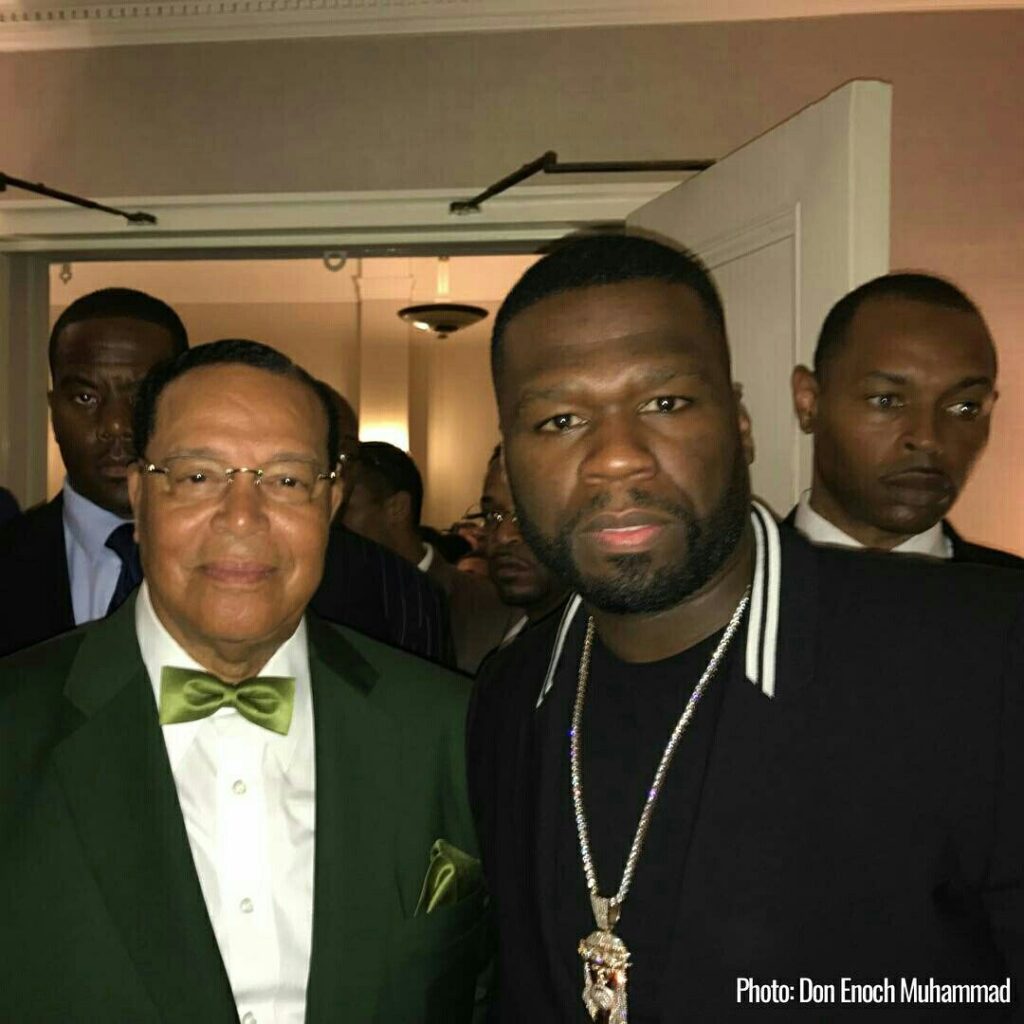
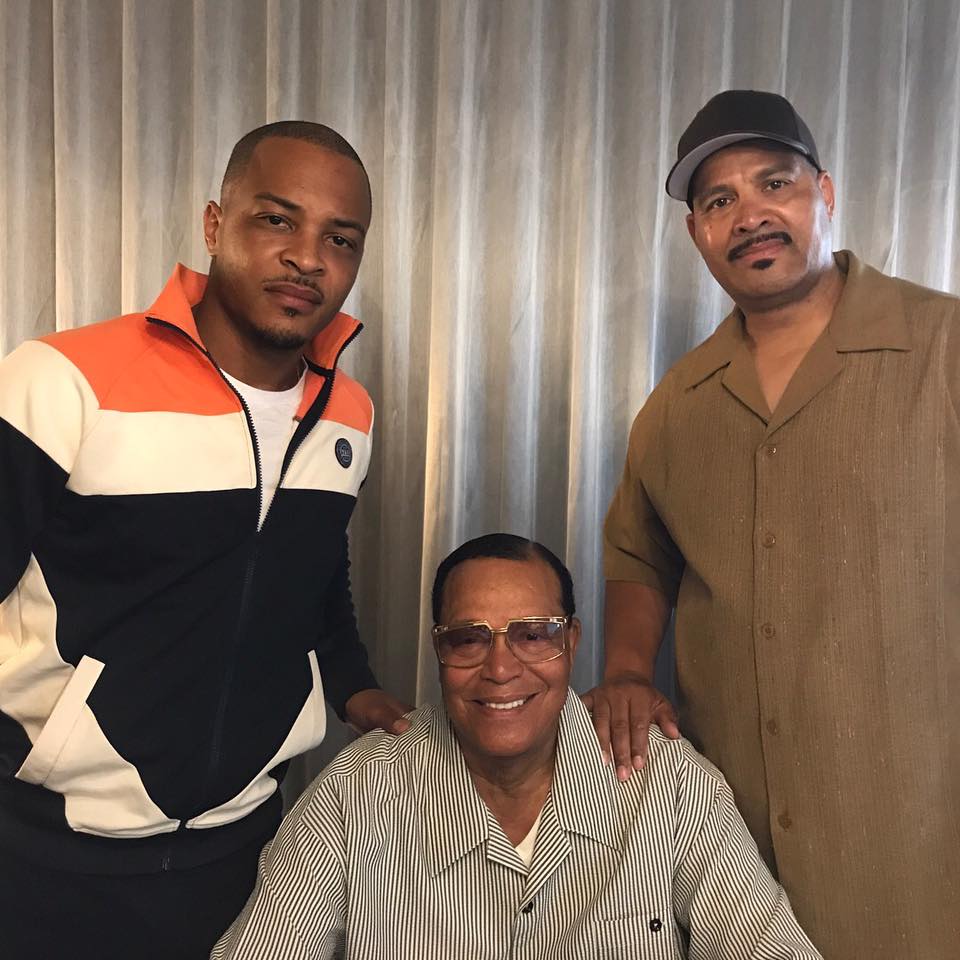
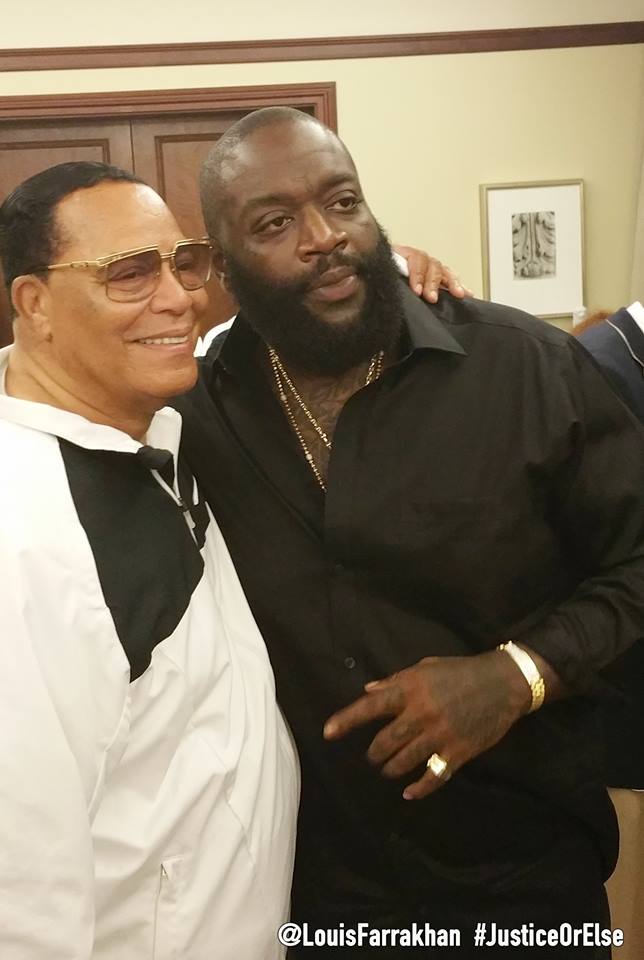
Perhaps no contemporary artist has embraced the Nation’s influence more openly than Jay Electronica. Throughout his catalog, Minister Farrakhan’s speeches appear as samples, introductions and thematic anchors.
Songs such as “A Prayer for Michael Vick and T.I.”, “The Overwhelming Event,” “Who Killed Michael Jackson??????” and “The Neverending Story” all feature direct references to Minister Farrakhan, Nation-related themes or Fruit of Islam (F.O.I.) imagery.
His music frequently blends spiritual reflection, political commentary and Nation of Islam teachings, while his public appearances alongside the Minister further cement the connection.
Even among younger generations of artists, Minister Farrakhan’s name continues to carry symbolic weight. On the widely discussed track “Control,” Kendrick Lamar delivered the line, “make Farrakhan think Saddam …” using the Minister’s name as shorthand for influence, command and presence.
The song, led by Big Sean and featuring Jay Electronica, reflected how Minister Farrakhan references remained embedded in modern rap competition and lyrical symbolism.
Other artists across generations continued mentioning Minister Farrakhan in their music. Immortal Technique used Minister Farrakhan speech samples on “No Mercy,” while Joey Fatts directly titled a song “Farrakhan.”
While Minister Farrakhan remained a polarizing figure in some political and media circles, many hip-hop artists viewed him through a different lens: as a voice speaking directly to the conditions affecting Black communities that are often ignored by mainstream America.
Not all references to the Nation of Islam came through direct mentions or formal ideological alignment. In many cases, artists referenced symbols, language and imagery associated with the Nation that had become deeply embedded in Black urban culture.
Throughout the 1990s and early 2000s, references to bean pies, The Final Call newspaper, Fruit of Islam security, bow ties and Muslim greetings frequently appeared in lyrics as markers of Black consciousness, discipline and cultural authenticity.
For many Black listeners, those references immediately evoked memories of Nation of Islam members selling newspapers, promoting economic self-sufficiency and maintaining a visible presence in urban communities nationwide.
On “Steady Mobbin’”, Ice Cube humorously referenced economic struggle and street survival by rapping that someone “might start slanging bean pies …” invoking one of the Nation of Islam’s most recognizable cultural symbols. The reference resonated because audiences already understood the cultural shorthand.
Chicago-born rapper Common often referenced neighborhood scenes and community figures that reflected the Nation’s visible presence in Black communities, particularly on Chicago’s South and West sides. His music regularly emphasized self-reflection, social responsibility and Black consciousness.
Likewise, Queen Latifah emerged during an era when Nation of Islam imagery and rhetoric heavily influenced conscious rap culture. Her music emphasized Black pride, womanhood and self-respect while reflecting many of the same themes circulating through politically conscious hip-hop at the time.
In her song “Just Another Day,” she raps, “Stomach ache, had a steak, and take for a bean pie, Get a Final Call from the brother in the bow tie.”
Neo-soul artist Erykah Badu frequently incorporated themes associated with Black nationalist and Nation of Islam cultural spaces, including spiritual awakening, self-knowledge and references to Minister Farrakhan himself.
On the song “Me,” Ms. Badu declares, “I salute you Farrakhan … ’cause you are me,” reflecting the Minister’s influence within broader currents of conscious Black music and culture.
Busta Rhymes also continued reflecting themes familiar to audiences influenced by the Nation of Islam and broader Black nationalist thought. His 2020 album, “Extinction Level Event 2: The Wrath of God,” blended apocalyptic imagery, spiritual urgency, social critique and messages of accountability.
The project reinforced ideas that had long appeared throughout his music: cultural survival, discipline, awakening and resistance during times of chaos.
For many listeners, those references were not abstract symbols. They reflected everyday life in Black America.
Decades later, the imagery remains recognizable: brothers in suits on street corners, newspapers tucked beneath their arms, bean pies on folding tables and the echoes of Minister Farrakhan’s speeches woven between bass lines and drum breaks.
From the crack cocaine era to the streaming era, Minister Farrakhan’s imprint on hip-hop culture remains embedded not only in lyrics but in the music’s ongoing search for identity, purpose, and liberation.
The post From the mic to the Minister: Farrakhan’s voice in hip-hop appeared first on Final Call News.