Ghanaian billionaire’s company takes over operations in Ghana's Damang gold mine as South African firm exits
Ghana’s mining sector is witnessing a landmark shift as foremost mining firm - Engineers and Planners Company Limited prepares to take operational control of the Damang Mine in the Western Region.
 Black News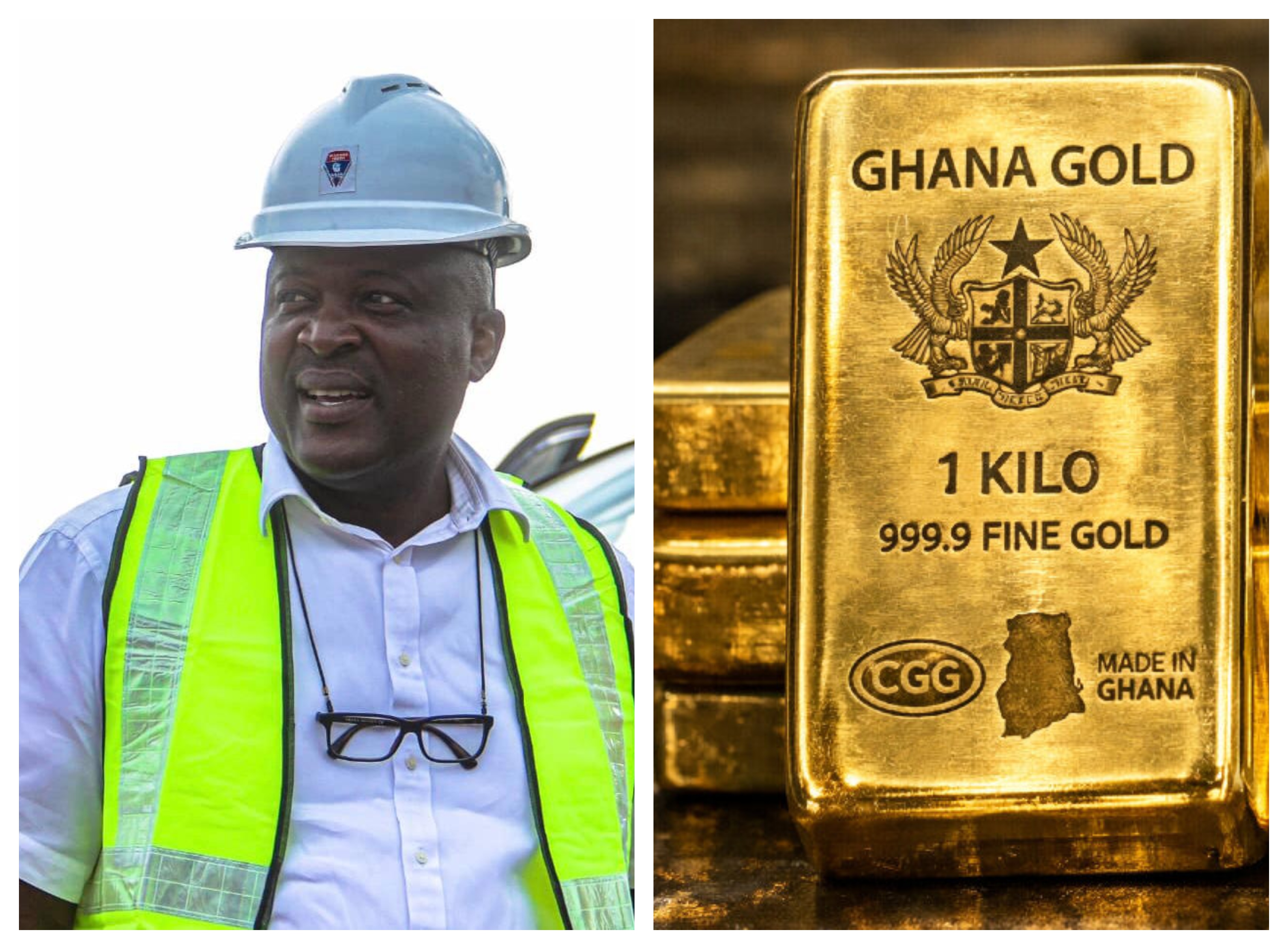

Ghana’s mining sector is witnessing a landmark shift as foremost mining firm - Engineers and Planners Company Limited prepares to take operational control of the Damang Mine in the Western Region.
- Engineers and Planners Company Limited will take over operational control of Ghana's Damang Mine from South Africa's Gold Fields Limited after nearly 30 years.
- The transition follows the expiry of Gold Fields' lease and the Ghanaian government's preference for local ownership, with the handover scheduled for April 18, 2026.
- E&P, led by billionaire Ibrahim Mahama, secured $205 million in financing to upgrade equipment and improve operational efficiency at the Damang Mine.
- The move signals a shift toward indigenous control and greater economic self-reliance in Ghana's mining sector, serving as a model for resource nationalism across Africa.
The transition comes as South African miner Gold Fields Limited exits one of Ghana’s long-standing gold-producing assets after nearly three decades of operations.
The handover follows the expiry of Gold Fields’ mining lease, with the mine formally scheduled to be handed over to the Government of Ghana on 18 April 2026. CEO Mike Fraser confirmed that while Gold Fields had sought an extension, it accepted the government’s preference for the asset to transition to local ownership.
Engineers and Planners, led by Ghanaian billionaire Ibrahim Mahama, has operated as a long-term contractor at Damang, giving it extensive operational knowledge of the mine’s systems and workforce.
Earlier this month, E&P secured a US$205 million financing package arranged by Stanbic Bank Ghana and Standard Bank of South Africa, with support from Ecobank Ghana and Absa Bank Ghana.
The funding will boost equipment upgrades, hard-rock mining efficiency, and long-term operational capacity, signaling growing confidence in local companies to manage major mining assets.
Ghana introduces new policies to reshape gold mining and revenue streams

In recent years, Ghana has rolled out sweeping mining reforms targeting royalty structures, local content rules, and taxation policies to ensure a greater share of mineral wealth stays within the country.
These include plans to replace the long-standing flat 5% royalty with a sliding scale of up to 12%, alongside stricter requirements for in-country procurement and participation by Ghanaian firms.
However, these reforms have drawn significant pushback from the United States and other major mining stakeholders.
Washington, alongside China, the UK, Canada, and Australia, has mounted unusual coordinated diplomatic pressure on Ghana to reconsider or scale back the policy, warning that higher royalties could make the country one of Africa’s most expensive mining destinations and deter investment.
The U.S. position is closely aligned with concerns from global mining companies, which argue that the proposed rates could squeeze profit margins, delay new projects, and reduce long-term output.
Despite this, Ghana has signaled its intent to proceed, framing the reforms as part of a broader shift across Africa toward resource nationalism where governments seek to capture more value from rising commodity prices and reduce reliance on foreign firms.
Gold Fields’ feasibility study indicates that Damang could produce 100,000–150,000 ounces of gold annually for at least nine more years, though extending operations would require US$500–600 million in fresh capital.
Regulatory oversight by the Minerals Commission and other agencies ensures full compliance with Ghanaian mining laws.
The transition to Engineers and Planners marks a major milestone in homegrown industrial leadership in Ghana’s mining sector.
By moving operations from a multinational to a local, billionaire-led company, Ghana is reshaping the ownership and revenue landscape of one of its most critical gold-producing assets, creating a model for indigenous control and economic self-reliance in West Africa.