Indian textile manufacturer to build $20 million denim factory in Africa’s second-largest economy
Indian textile manufacturer Prestige Denim Mills plans to invest $20 million in a denim production facility in Egypt, adding to a wave of foreign textile projects in Africa’s second-largest economy.
 Black News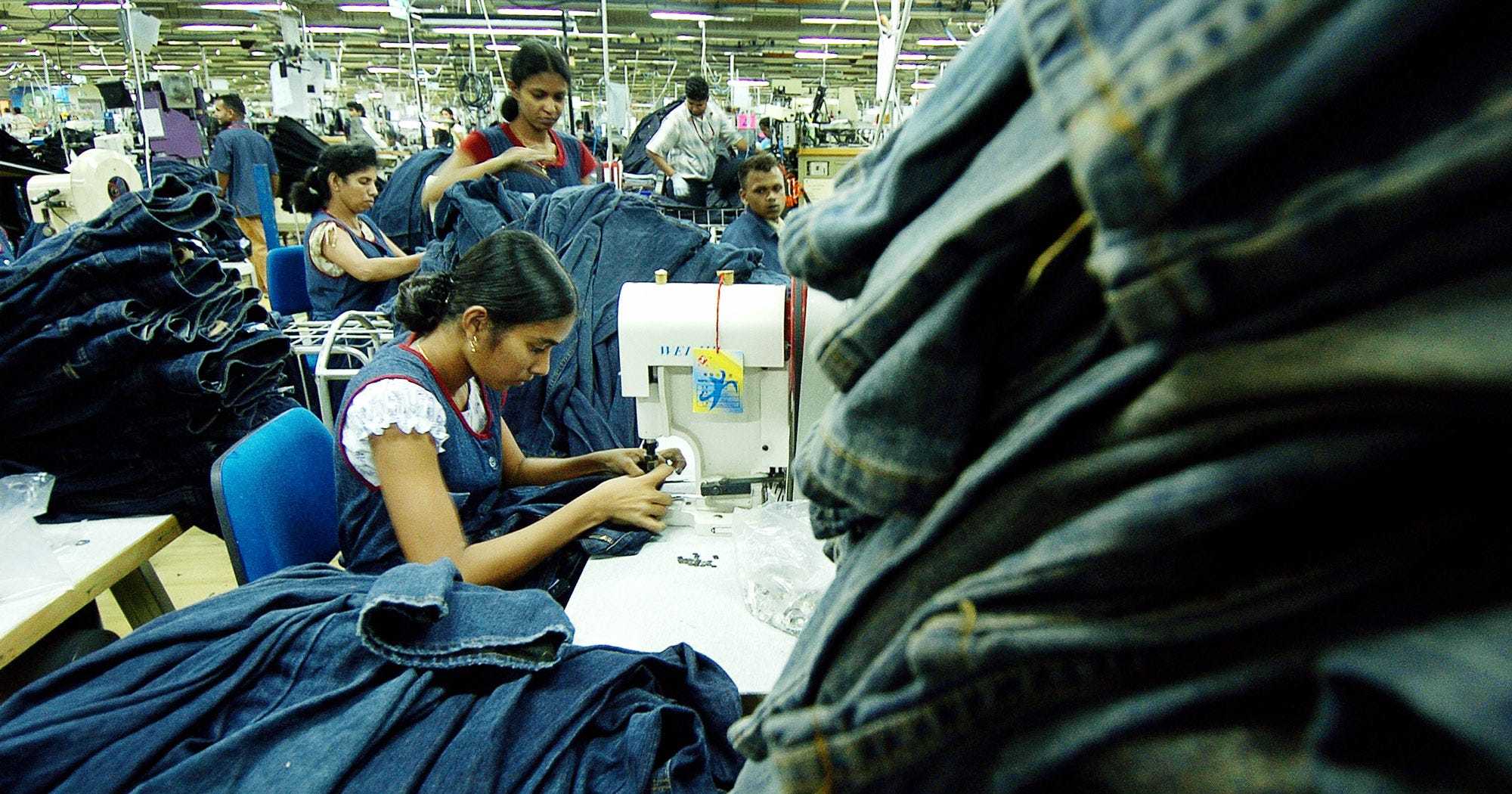

Indian textile manufacturer Prestige Denim Mills plans to invest $20 million in a denim production facility in Egypt, adding to a wave of foreign textile projects in Africa’s second-largest economy.
- Prestige Denim Mills from India will invest $20 million in a denim production facility in Egypt's West Qantara Industrial Zone, marking the first Indian investment there.
- The factory will be built on a 100,000-square-metre site, create about 1,000 jobs, and produce up to 20 million metres of denim per year, with 70% exported.
- Egypt is attracting numerous foreign textile investments, with companies from China, Turkey, South Korea, Germany, Greece, and Pakistan launching projects in West Qantara.
- Egypt’s proximity to the Suez Canal, its large economy, and trade agreements make it an attractive hub for manufacturers targeting African, European, and Middle Eastern markets.
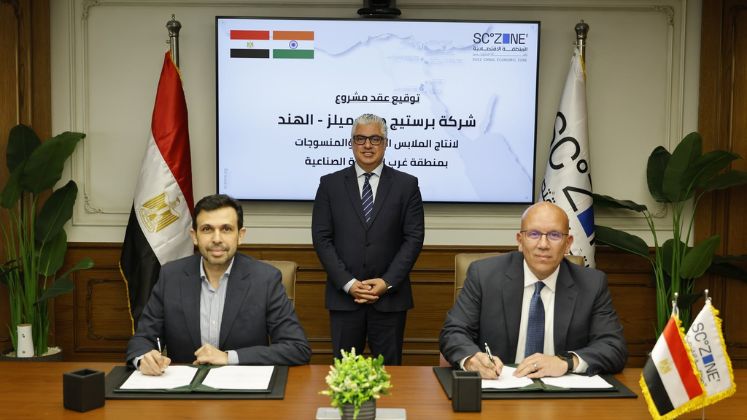
The investment agreement was signed at the Suez Canal Economic Zone headquarters in Egypt’s New Administrative Capital in the presence of SCZONE Chairman Waleid Gamal El-Dien.
According to SCZONE, the project will mark the first Indian investment in the West Qantara Industrial Zone.
Prestige Denim Mills will develop the factory on a 100,000-square-metre site. The integrated facility will include weaving, dyeing and finishing operations.
Once operational, the plant will produce as much as 20 million metres of denim fabric a year and create about 1,000 direct jobs.
The company plans to export about 70% of its production, while supplying the remaining 30% to Egypt’s domestic market.
Gamal El-Dien said the project built on the success of Indian investments elsewhere in the Suez Canal Economic Zone.
He added that infrastructure development and industrial expansion had helped attract more textile and garment manufacturers to West Qantara.
More broadly, the export-led project supports Egypt’s effort to position itself as a regional textile manufacturing hub serving markets across Africa, Europe and the Middle East.
Foreign textile companies expand in West Qantara
Prestige will join a growing cluster of international textile and garment manufacturers in West Qantara.
Companies from China, Turkey, South Korea, Germany, Greece and Pakistan have announced projects in the industrial zone as Egypt seeks to expand domestic production and increase industrial exports.
Chinese manufacturer Everfar signed an agreement for a $130 million integrated textile and garment facility, making it one of the largest foreign textile investments announced in the zone.
Pakistan’s Interloop Group also agreed to develop a $35.2 million ready-made garment project.
Similarly, South Korea’s H&L Korea announced a $15 million garment factory, marking the first Korean investment in West Qantara.
German company Sun Garden plans to establish a $7 million home-textiles and furnishings facility.
Meanwhile, Greece’s Mariniro agreed to develop a $4 million ready-made garment project, becoming the first Greek industrial investor in the zone.
Turkish companies build strong presence
Turkish manufacturers have established one of the largest foreign presences in West Qantara.
Nil Örme announced plans for a $35 million textile and garment factory, while Eroglu Moda Tekstil signed an agreement for a $5.6 million ready-made garment facility.
Other Turkish investors, including Yiltem Apparel, have also entered the zone.
By April 2026, SCZONE said West Qantara had attracted 15 Turkish projects following the signing of another $8 million textile investment.
The growing Turkish presence reflects Egypt’s appeal as a lower-cost manufacturing base close to European and Middle Eastern markets.
Textile investments exceed $1 billion
Overall, investments in textile and ready-made garment projects in West Qantara have exceeded $1 billion, according to SCZONE.
The investment pipeline is helping Egypt build a more integrated textile supply chain covering fabric production, dyeing, finishing and garment manufacturing.
West Qantara’s location near the Suez Canal also gives manufacturers access to one of the world’s busiest shipping corridors.
In addition, Egypt’s trade arrangements can improve access for locally manufactured goods to African, European and Middle Eastern markets.
Egypt ranks as Africa’s second-largest economy
The investments come as Egypt strengthens its position as one of Africa’s largest economies.
The International Monetary Fund projects Egypt’s nominal gross domestic product at about $429.65 billion in 2026. That places it second in Africa behind South Africa, whose economy is estimated at $479.96 billion.
Egypt’s economic size, large consumer market and proximity to the Suez Canal have strengthened its appeal to export-oriented manufacturers.
Its location also gives companies access to major shipping routes and markets across Africa, Europe, Asia and the Middle East.