Iran–US Framework Deal Signals Potential Reset in Middle East Power Dynamics
A reported framework agreement between Iran and the United States could mark a turning point in Middle Eastern geopolitics, potentially easing decades of hostility, economic isolation and regional instability. Details emerging from Iranian officials indicate that Tehran and Washington have settled on a memorandum of understanding (MOU) that lays the foundation for a broader settlement […] The post Iran–US Framework Deal Signals Potential Reset in Middle East Power Dynamics appeared first on Daily Star.
 Black News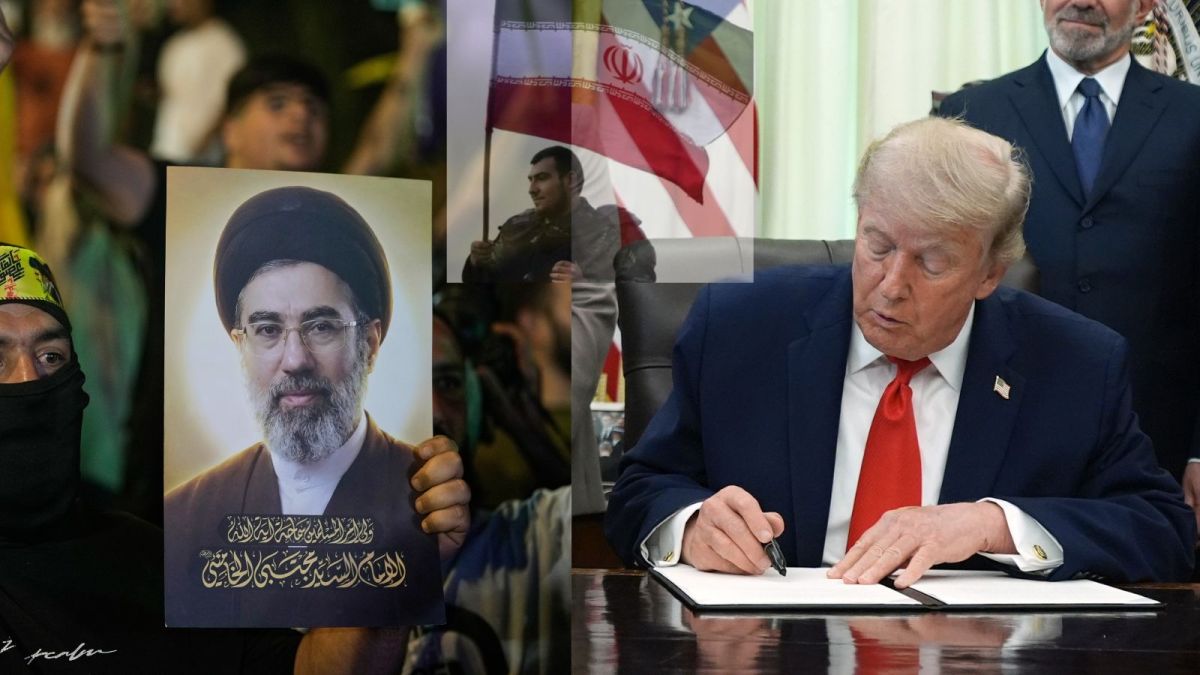
A reported framework agreement between Iran and the United States could mark a turning point in Middle Eastern geopolitics, potentially easing decades of hostility, economic isolation and regional instability.
Details emerging from Iranian officials indicate that Tehran and Washington have settled on a memorandum of understanding (MOU) that lays the foundation for a broader settlement of long-standing disputes, including sanctions, nuclear activity and regional security.
The agreement, expected to be formally signed later this week in Switzerland after months of indirect negotiations reportedly mediated by Pakistan and Qatar, proposes an immediate cessation of hostilities and a pathway toward gradual normalization.
If implemented, the deal would represent the most significant diplomatic breakthrough since the collapse of the 2015 nuclear agreement, after which relations between the two countries deteriorated into cycles of sanctions, proxy confrontations and persistent threats of direct conflict.
Under the framework, the United States is expected to ease naval restrictions on Iran, facilitate access to frozen assets and suspend additional sanctions during negotiations for a final settlement. In return, Iran would reaffirm its commitment not to pursue nuclear weapons and freeze sensitive aspects of its nuclear programme.
Analysts note that the agreement appears to depart from previous negotiations by narrowing its focus. Rather than attempting to address Iran’s missile programme or regional alliances, the framework prioritizes de-escalation, economic recovery and coexistence.
A key element of the proposed arrangement is the reopening of the Strait of Hormuz, a vital global energy corridor through which nearly 20 percent of the world’s oil supply passes. Restoring stability in the waterway could significantly reduce volatility in global energy markets.
Early economic signals suggest markets are already responding. Global oil prices dropped by more than four percent following news of the agreement, with Brent crude falling to around $83.80 per barrel and West Texas Intermediate slipping below $81—levels not seen in over three months. Analysts attribute the decline to reduced fears of supply disruptions and the prospect of increased Iranian oil exports.
Statements attributed to Iranian Deputy Foreign Minister Ali Bagheri Gharibabadi indicate that the final text of the MOU has been agreed, with signing scheduled for June 19. He emphasized that the agreement would bring an immediate end to hostilities across multiple fronts and underscored Tehran’s intention to monitor U.S. compliance closely.
On the U.S. side, Vice President JD Vance described the development as a positive step, framing it as a mechanism to prevent further escalation in the region, particularly following heightened tensions linked to Israel.
Leaked details of a 14-point draft suggest the deal includes a phased lifting of sanctions, access to frozen Iranian funds and a proposed $300 billion reconstruction framework. It also outlines a 60-day negotiation window to finalize nuclear and sanctions arrangements, while deliberately excluding contentious issues such as Iran’s missile programme.
The path to agreement, however, has not been smooth. Sources indicate the negotiations nearly collapsed following an Israeli strike in Beirut, which Iran viewed as a major escalation. Last-minute diplomatic engagement reportedly helped salvage the talks, highlighting both the fragility of the process and the high stakes involved.
For now, the agreement remains a framework rather than a final settlement. Key issues—including uranium enrichment limits, long-term sanctions relief and regional security guarantees—are yet to be resolved.
Nevertheless, if the deal holds, it could signal a fundamental shift in Middle East power politics, offering a rare opportunity for de-escalation in one of the world’s most volatile regions.
The post Iran–US Framework Deal Signals Potential Reset in Middle East Power Dynamics appeared first on Daily Star.