LIRR workers stand on business and walk out after strike deadline passes
Nearly 3,500 Long Island Railroad (LIRR) workers –– the people who operate the nation’s largest commuter railroad –– kept their word and went out on strike at 12:01 a.m. on May 16. The post LIRR workers stand on business and walk out after strike deadline passes appeared first on New York Amsterdam News.
 Black News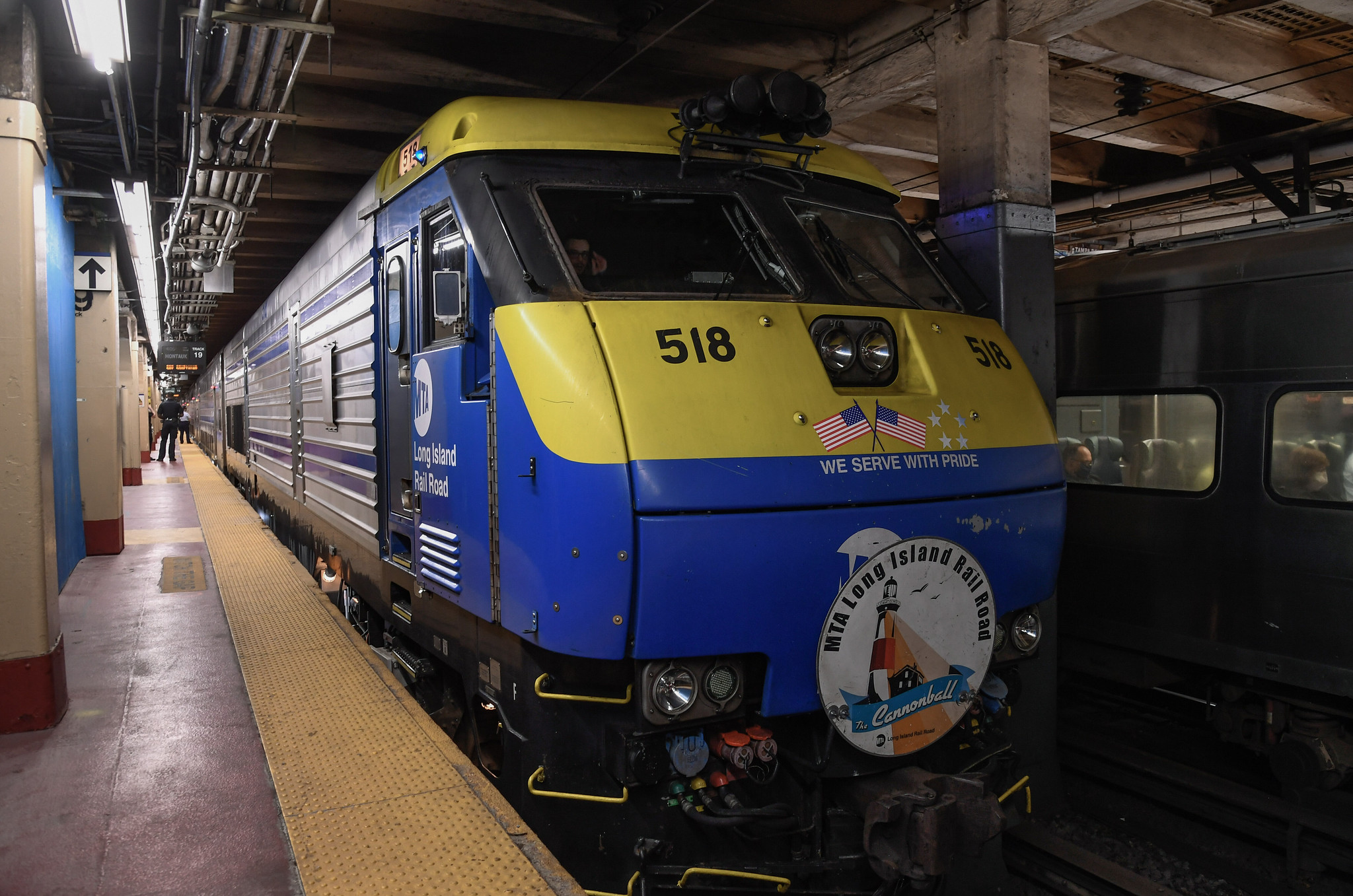

Nearly 3,500 Long Island Rail Road (LIRR) workers—who operate the nation’s largest commuter railroad—stood their ground and went on strike at 12:01 a.m., May 16.
After talks between their coalition of five unions and the Metropolitan Transportation Authority (MTA) broke down, the LIRR workers initiated their first strike in 32 years.
The union coalition includes the Brotherhood of Locomotive Engineers and Trainmen (BLET),Brotherhood of Railroad Signalmen (BRS),International Association of Machinists and Aerospace Workers (IAMAW),International Brotherhood of Electrical Workers, and the Transportation Communications Union (TCU). Together they represent engineers, signal workers, machinists, electricians, and other essential crafts.
Both the MTA and LIRR workers say they have agreed on retroactive raises for the first three years of a new contract: 3% for 2023, 3% for 2024, and 3.5% for 2025. The standoff centers on the final year; the unions want 5%, while the MTA is offering 3%, claiming anything higher would strain the agency’s finances and drive up costs for riders.
“The LIRR owns this strike,” said Teamsters General President Sean M. O’Brien. “Union workers have sacrificed so much for the railroad over the years while consistently bargaining in good faith for a fair contract. Hundreds of thousands of commuters rely on our members’ labor every day. The LIRR is stranding passengers while denying wages, benefits, and respect to BLET Teamsters and other hardworking union members.”
The LIRR system transports approximately 300,000 passengers between New York City and its Long Island suburbs daily.
Soon after the strike began, MTA CEO Janno Lieber issued a statement acknowledging the disruption. “Obviously, this is not the result we were looking for,” Lieber said. He pointed to the broader consequences, noting, “Everybody loses in a strike—the MTA, the thousands of workers who are going to lose wages, and most of all, the riders who rely on the railroad every day.”
Lieber stressed the MTA’s stance on the issue. “We cannot responsibly make a deal that implodes MTA’s budget,” he said, emphasizing that the agency has a responsibility to maintain financial stability following its recovery from COVID-19 shutdowns. He maintained that any agreement with the union coalition must not lead to forced fare hikes or additional taxpayer burdens, particularly since the Long Island Rail Road is already the most heavily subsidized part of the MTA.
“To every LIRR passenger whose trip is disrupted, know that the MTA left us no choice but to strike,” countered Gil Lang, general chair of the BLET’s LIRR General Committee. “We don’t want to be on the picket line. But after three years without raises, we cannot make any more compromises to cover for the MTA’s mismanagement.”
The post LIRR workers stand on business and walk out after strike deadline passes appeared first on New York Amsterdam News.