The Ministry of Interior, Federal Affairs and Reconciliation has officially finalized July 5, 2026, as the definitive date for the highly anticipated municipal elections across the regional capital. The formal declaration marks an unprecedented step forward for the long-delayed democratisation of the capital, transitions that are intended to replace decades of executive-appointed leadership with directly elected local councils. According to a state communiqué released on Saturday, the structured rollout will occur concurrently across all 17 administrative districts of Mogadishu, signaling a massive programmatic push by the federal government to decentralize local decision-making and build responsive grassroots public representation.
The strategic announcement addresses a long-standing governance vacuum that has sparked fierce debate among regional clans, civil society leaders, and municipal watchdogs. Historically, the mayor of Mogadishu, who also serves as the governor of the Banadir Regional Administration, has held the unchecked authority to handpick sub-city municipal leadership at his personal discretion, often adhering to informal power-sharing pacts. Ministry organizers stated that the upcoming Banadir local council voting framework will establish clear rules-based competition, allowing local residents to choose accountable commissioners. To ensure structural readiness ahead of the fast-approaching July 5 timeline, the government has set up specialized joint task forces to oversee critical logistical components, including independent voter registration drives, secure precinct mapping, and candidate vetting standards.
Despite the optimistic tone projected by federal leadership, administrative experts point out that the upcoming district model faces complex security and institutional hurdles. Transitioning away from appointed posts requires managing deeply rooted clan dynamics alongside the persistent threats posed by insurgent networks operating on the city’s fringes. In response to these concerns, Ministry of Interior briefers clarified that comprehensive security plans are currently being formulated alongside national police commanders and international stabilization partners to safeguard polling centers. Furthermore, parliamentary constitutional bodies are continuously clarifying the legal boundaries of the capital’s voting framework, ensuring that the local ballot formats smoothly align with the nation’s broader, long-term regional administrative decentralisation targets.
The rollout of this localized democratic process has already generated high-search intent among prospective candidates and civic organizations preparing for the campaign cycle. Political analysts suggest that the long-term success of the July 5 elections will heavily depend on maintaining absolute transparency and verifying that minority communities achieve equitable representation on the new councils. As the administrative clock ticks down toward the early July launch date, the federal capital remains highly focused on the transition, viewing the ambitious local experiment as a vital test case for expanding direct, universal suffrage to other emerging territories throughout the nation.


 Black News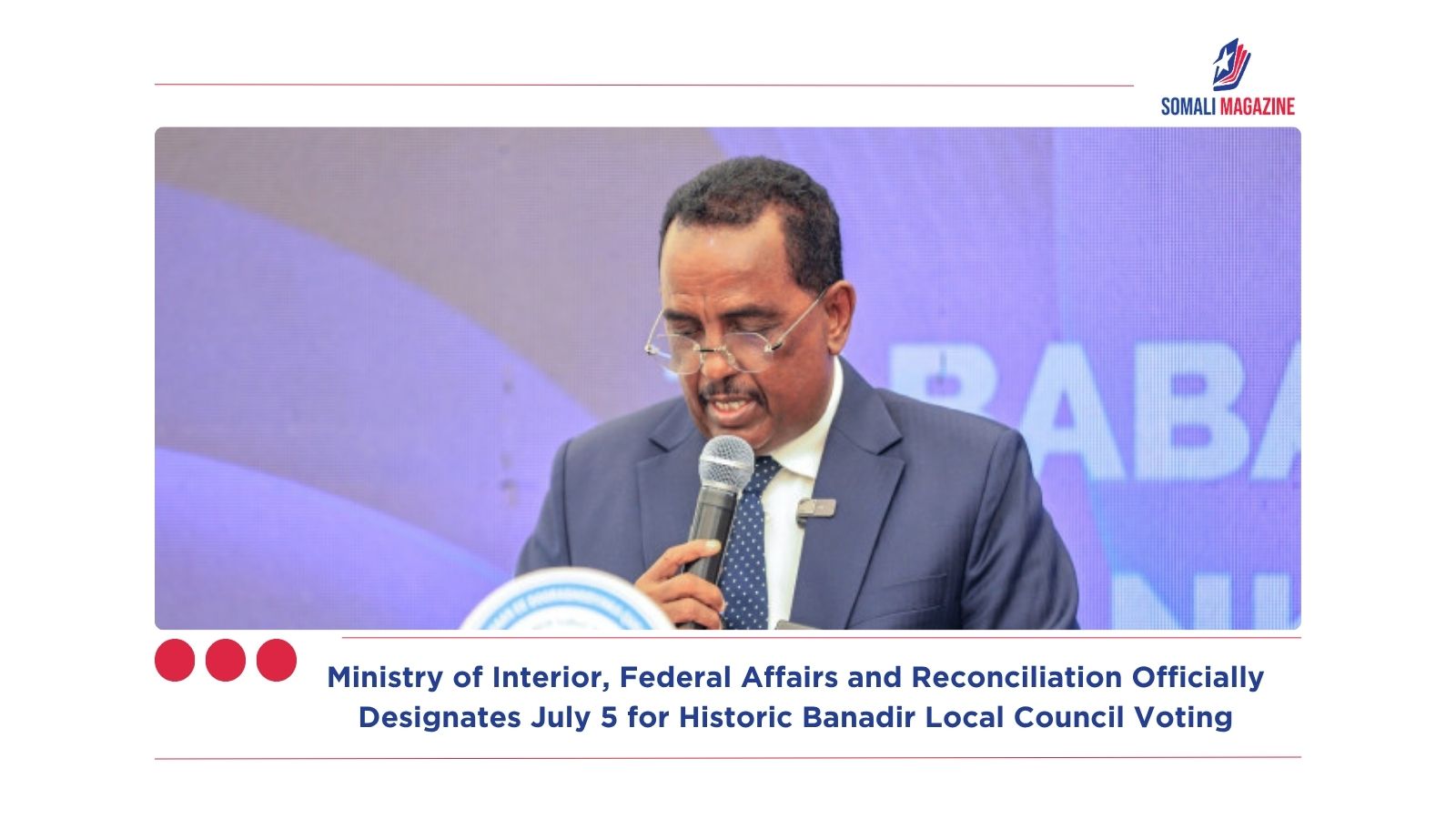











![[NOUVELLE CONSTITUTION RETOQUÉE SUR SAISINE DU PR DIOMAYE, RÉFÉRENDUM ABANDONNÉ – Par Ousseynou Nar Gueye] REJET DE LA LOI 18-2026 : LA VICTOIRE DU DROIT SUR L’URGENCE POLITIQUE](https://nations-sn.com/wp-content/uploads/2026/07/ARticle-8-PHOTO-D-ILLUSTRATION.png)


