Mozambique signals move to join Africa’s mining revolution with 15% state stake and export ban
Mozambique is moving to tighten control over its vast mineral wealth, proposing sweeping reforms that will grant the state a minimum 15% stake in all mining projects while banning the export of unprocessed minerals.
 Black News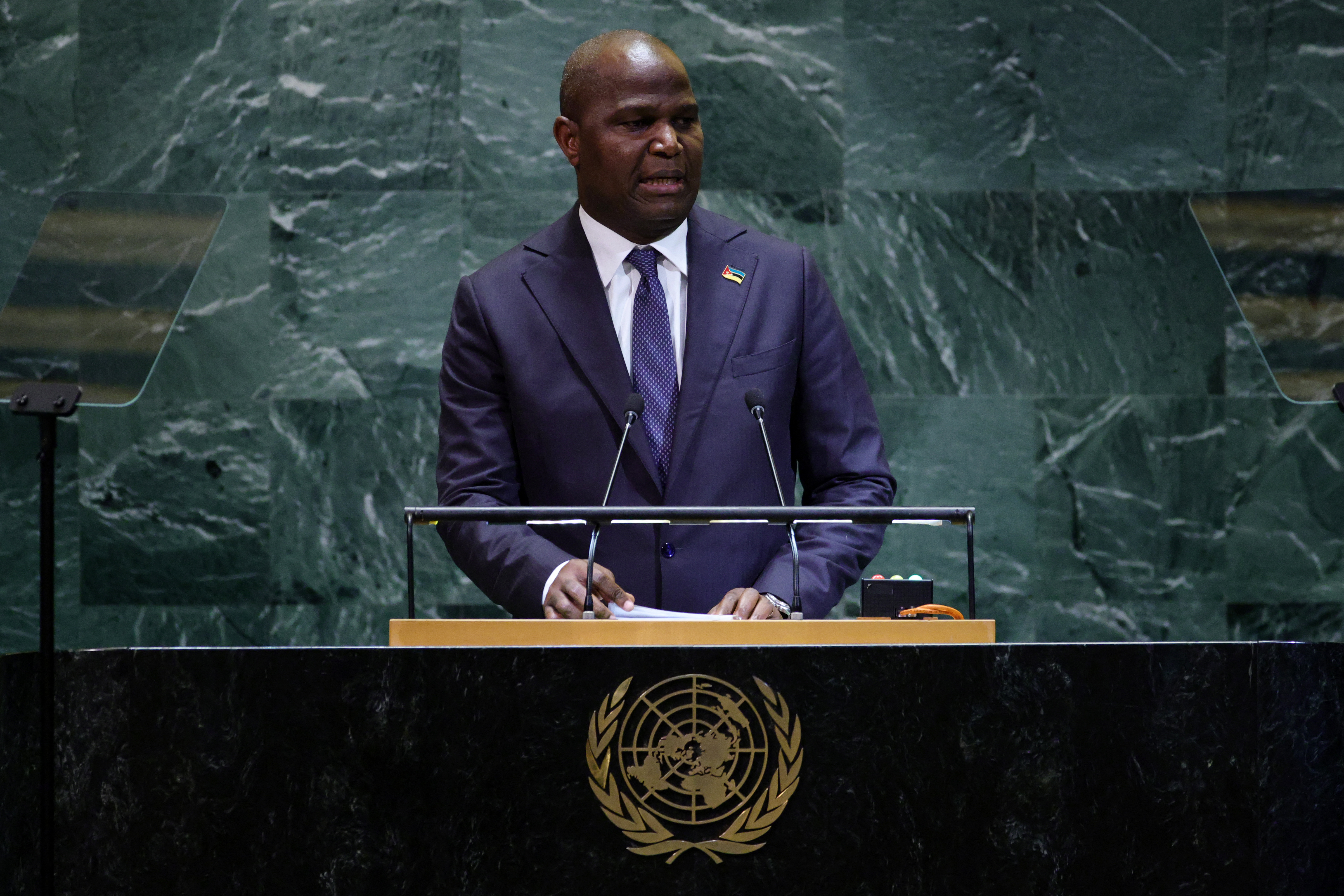
![Mozambique signals move to join Africa’s mining revolution with 15% state stake and export ban [Photo by LEONARDO MUNOZ/AFP via Getty Images]](https://ocdn.eu/pulscms/MDA_/a1fe2c3da130eaf6f922e8b62a7f50d0.jpg)
Mozambique is moving to tighten control over its vast mineral wealth, proposing sweeping reforms that will grant the state a minimum 15% stake in all mining projects while banning the export of unprocessed minerals.
- Mozambique plans sweeping mining law reforms to give the state at least a 15% stake in all projects and ban the export of unprocessed minerals.
- The reforms aim to increase state participation, encourage local mineral processing, and ensure more value remains in the country.
- New rules will overhaul licensing, require 10% of mining revenues for local development, and create special artisanal mining zones.
- Similar moves are underway across Africa, with countries like Mali, Burkina Faso, and Ghana boosting state control and tightening regulations.
A draft revision of the country’s mining law, set to be debated in Parliament on May 7, reflects a broader policy shift aimed at increasing state participation and ensuring more value is retained domestically.
Authorities say the current legal framework, in place for over a decade, contains “gaps” that limit the country’s ability to fully capture revenues from its resources.
According to a report by 360Mozambique, the proposed laws mandates that the state - through the national mining company ENM, will hold at least a 15% stake in projects, with the possibility of higher participation.
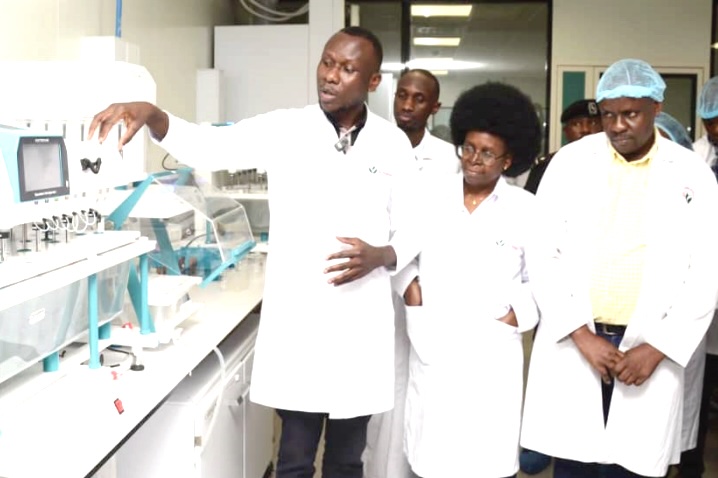
The reforms also introduce incentives for in-country mineral processing, stricter oversight across the mining value chain, and designated zones for artisanal mining.
Licensing rules are also being overhauled, with exploration permits lasting between two and five years and mining concessions extending up to 25 years. The framework further mandates that 10% of mining revenues be directed toward local development through a dedicated fund.
President Daniel Chapo said the reforms are aimed at ensuring natural resources translate into “lasting engines of economic and social development,” adding that mineral wealth must create jobs, empower local firms, and fund public services.
Africa’s resource nationalism gains momentum
Mozambique’s move mirrors a deepening structural shift across the continent, where governments are reasserting control over mineral wealth after decades of extractive, export-driven models.
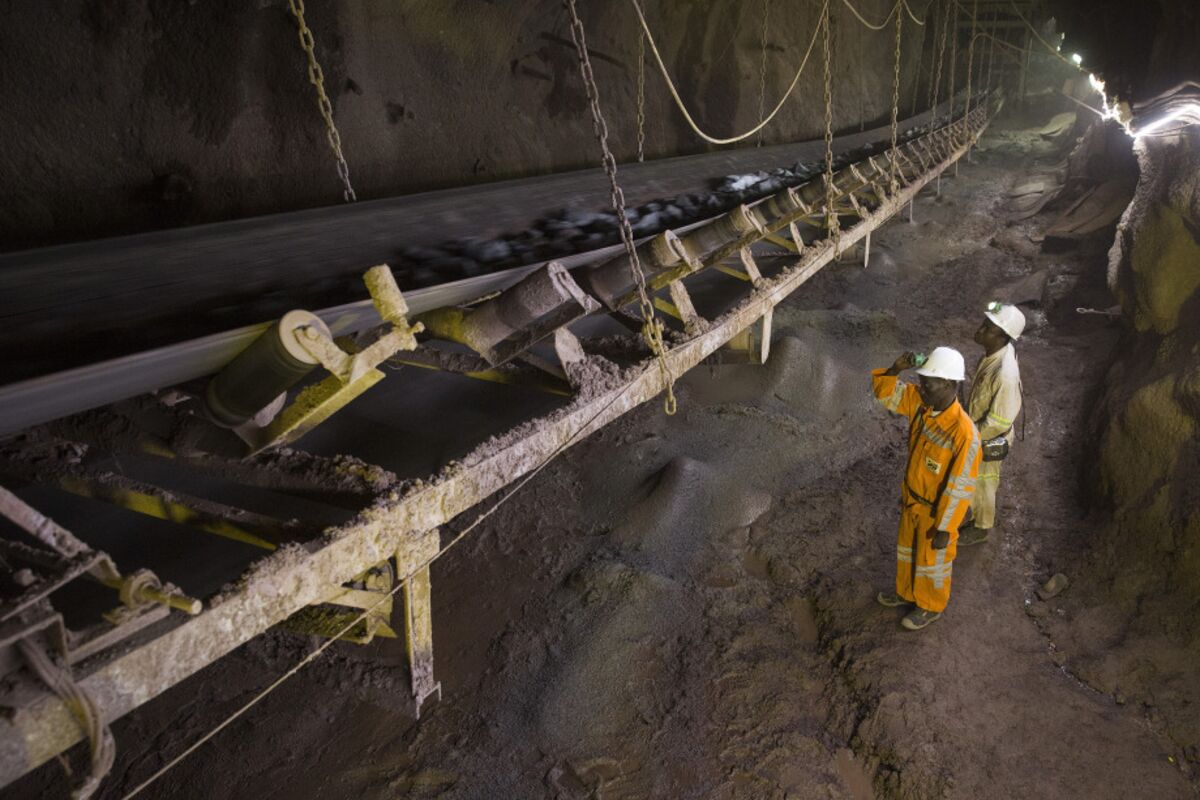
Across West Africa in particular, countries aligned with the Alliance of Sahel States notably Mali, Burkina Faso, and Niger, have led the charge by rewriting mining codes to increase state ownership, taxes, and local participation.
In Mali, a revised mining code increased state and local ownership in projects from 20% to as high as 35%, triggering disputes with multinational firms, while a broader sector audit helped the government recover about $1.2 billion in arrears from mining companies.
Meanwhile, Burkina Faso has gone further, nationalising foreign-owned gold assets and increasing state stakes, with mining accounting for roughly 16–17% of its GDP.
This trend is not limited to the Sahel. Ghana - Africa’s top gold producer, has tightened regulations around mining, including banning operations in forest reserves and strengthening oversight of small-scale mining, which now affects most regions of the country .
At the core of this shift is a stark economic reality: Africa holds some of the world’s most valuable mineral reserves but captures only a fraction of their value.
For example, in the Democratic Republic of the Congo, which supplies over 60% of the world’s cobalt, mineral exports account for more than 95% of export revenues, yet most value addition like refining and battery production, takes place outside the continent.
By increasing state stakes and restricting raw exports, governments are attempting to reverse this imbalance. The goal is to force investment into local processing, boost industrialisation, and retain more revenue within domestic economies.
With global demand surging for critical minerals tied to energy transition and technology, African nations are increasingly treating their resources not just as commodities, but as strategic leverage in a rapidly shifting global economy.