Nigeria’s corruption problem pushes it towards China’s tougher anti-graft model
Nigeria is looking to China for lessons on fighting corruption as years of anti-graft efforts continue to leave the country near the bottom of global corruption rankings.
 Black News

Nigeria is looking to China for lessons on fighting corruption as years of anti-graft efforts continue to leave the country near the bottom of global corruption rankings.
- Nigeria is seeking to learn from China's anti-corruption strategies after years of limited progress in improving its global corruption rankings.
- The ICPC is particularly interested in China's combination of enforcement, prevention, institutional reform, oversight, and public education to tackle corruption.
- Despite having its own anti-corruption agencies and laws, Nigeria continues to struggle due to weak enforcement and lengthy processes.
- China's higher ranking and score on the Corruption Perceptions Index highlight the effectiveness of its centralized and punitive anti-corruption architecture.
The Independent Corrupt Practices and Other Related Offences Commission (ICPC) is studying China’s approach as it seeks to strengthen Nigeria’s institutional and policy response to graft.
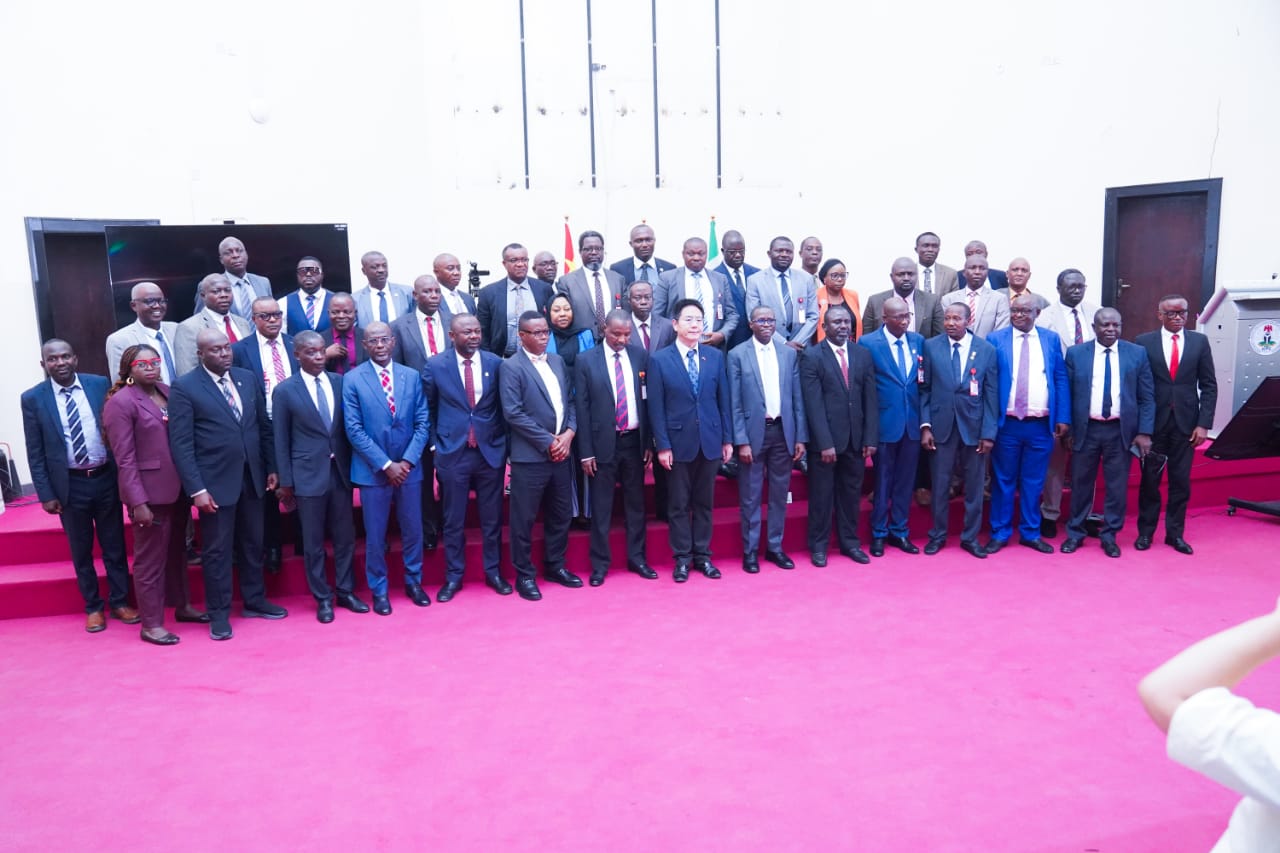
ICPC Chairman Dr Musa Aliyu (SAN) disclosed this on Tuesday at the commission’s headquarters in Abuja during the third edition of its International Diplomatic Dialogue.
The event, organised by the Anti-Corruption Academy of Nigeria, the ICPC’s research and training arm, was themed “Experience Sharing in Anti-Corruption Policies and Strategies: The Chinese Perspective.”
DON'T MISS THIS: 10 African countries with the strongest anti-corruption performance
Also in attendance was Yang Juanxing, Cultural Counsellor of the Chinese Embassy in Nigeria and Director of the China Cultural Centre in Nigeria, who said China’s anti-corruption strategy goes beyond punishing individual offenders.
He said China combines enforcement with prevention, institutional reforms, oversight and public education to create a system where people are “unwilling to corrupt, unable to corrupt and afraid to corrupt.”
Yang stressed that accountability must apply to everyone, regardless of position, power or personal connections.
The move highlights a striking gap between the two countries. While China still faces significant corruption challenges, it scores considerably better than Nigeria on Transparency International’s latest Corruption Perceptions Index.
Nigeria’s corruption problem remains stubborn
Nigeria scored 26 out of 100 and ranked 142nd out of 182 countries in the 2025 Corruption Perceptions Index. Its score was unchanged from 2024, indicating that perceptions of public-sector corruption remained largely unchanged, while its ranking fell two places from 140th.
DON'T MISS THIS: Transparency International ranks the 10 most corrupt African countries
A score below 50 places Nigeria well below the global average of 42 and among the countries where corruption remains a major institutional challenge. Transparency International's 2025 index found that 122 of the 182 countries assessed scored below 50.
Nigeria's weak performance has persisted despite having dedicated anti-corruption institutions, including the ICPC and the Economic and Financial Crimes Commission, as well as laws targeting bribery, fraud, illicit enrichment and abuse of public office.
The problem is therefore less about the absence of anti-corruption structures and more about how effectively they work. Weak enforcement, lengthy investigations and prosecutions, limited institutional capacity, poor oversight and concerns about political influence can undermine the deterrent effect of anti-corruption laws.
This helps explain why Nigeria's ranking has proved difficult to shift. Fighting corruption requires more than investigating individual officials; it also requires systems that prevent abuse, detect suspicious activity and ensure that cases result in credible consequences.
DON'T MISS THIS: Top 10 African countries with the highest business bribery risks
China's experience is particularly relevant to the ICPC because Beijing has built a much more centralised anti-corruption architecture.
Why China is being studied
China scored 43 out of 100 and ranked 76th in the 2025 CPI — 33 points higher in ranking position than Nigeria and 17 points higher in score. Its score was also unchanged from the previous year.
China's relatively stronger position does not mean it has eliminated corruption. Rather, its anti-graft system relies heavily on powerful institutions, centralised investigations and severe penalties.
ICPC chairman, Dr. Aliyu noted that China had made significant progress in combating corruption through its key anti-corruption institutions, particularly the National Supervisory Commission (NSC) and the Central Commission for Discipline Inspection (CCDI), adding that the Commission was keen to learn from the country’s strategies and policies, including its institutional and legal reforms, as well as enforcement measures deployed in the fight against corruption.
DON'T MISS THIS: 10 most corrupt public officials in Nigeria
The Central Commission for Discipline Inspection and the National Commission of Supervision are central to China's anti-corruption system.
Chinese officials also presented an approach that goes beyond punishing officials after corruption has occurred.
The country has spent decades investigating corruption cases, but its persistent position near the bottom of the CPI suggests that enforcement alone has not been enough to change the broader environment.
China's model instead places greater emphasis on creating institutions capable of detecting misconduct, investigating it quickly and imposing consequences while also closing the loopholes that allow corruption to occur.
However, transplanting the Chinese model wholesale would be difficult. China's political and institutional structure is fundamentally different from Nigeria's democratic system.