Nigeria’s top airline tycoon calls for economic pressure on South Africa amid xenophobic unrest
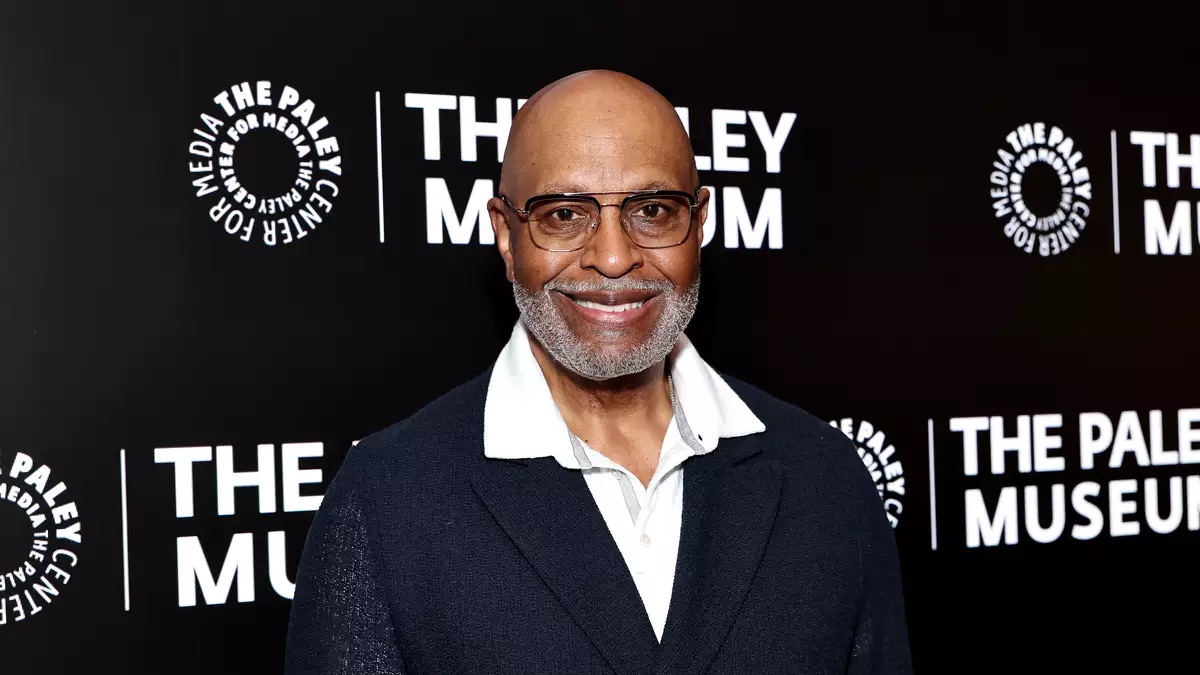
Allen Onyema, the Chief Executive Officer (CEO) of Air Peace, Nigeria’s largest airline, has called for a response to xenophobic actions in South Africa.
 Black News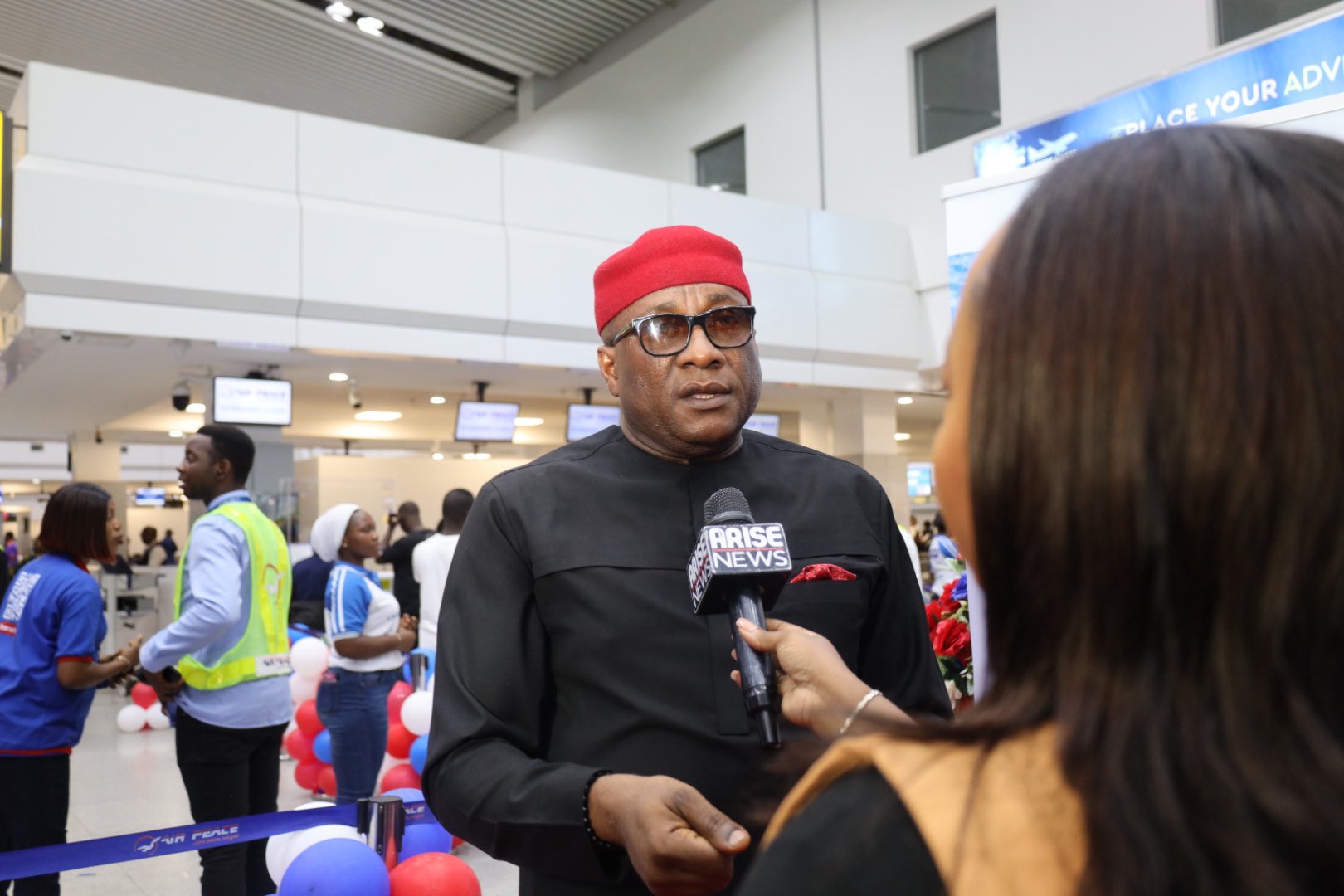

Allen Onyema, the Chief Executive Officer (CEO) of Air Peace, Nigeria’s largest airline, has called for a response to xenophobic actions in South Africa.
- Allen Onyema, CEO of Air Peace, urged Nigerians to boycott South African businesses in response to recent xenophobic attacks in South Africa.
- He condemned violent retaliation and instead advocated for non-violent measures such as withdrawal of investments and boycotts.
- Onyema criticized South African authorities for failing to protect foreign residents during outbreaks of xenophobic violence.
- He emphasized the positive contributions of Nigerians to the South African economy and called for mutual respect and learning.
The founder of the air carrier suggested that Nigerians boycott South African businesses and halt investments in South African-based companies in response to the movement currently targeting African migrants in South Africa.
He aired his opinion on the subject during an interview with AriseTV on Monday, calling for a response to South Africa’s actions while simultaneously denouncing any violent retaliation that could endanger Nigerian companies.
In response to proposals regarding the necessity of consequences for the hostilities, the airline CEO stated, “I totally agree that there should be a stop to foolishness.”
He further alleged that South African officials have been negligent in their duty to safeguard foreign residents during occurrences of xenophobic hostility.
“Every time they do this, and they get the support of their government, I don’t understand how all of a sudden South Africa lacks police force, lacks the military, lacks every security agency that could have stopped these people,” he said.
“How do you explain where people would march into somebody’s house, bring you out, question you, ' Can I see your papers? You’re a foreigner, you have to go back home,” he added.
DON’T MISS THIS: South Africa's immigration crisis deepens as over 120 organizations unite to shift public anger amid June 30 ultimatum deadlines
Onyema also relayed that Nigerians contribute positively to the South African economic ecosystem, as opposed to how leaders of the anti-migration movement have described them.
“What have they done? The shops they are running, what kind of employment did you provide for him to run a shop? He brought money from Nigeria and opened a shop in your country to help your country and help you,” he said.
“The best you could have done is to learn from these Nigerians and acquire some entrepreneurial skills,” he continued.
Despite his call for some form of pushback against the xenophobic actions of some South Africans, Oyenma urged that any response to the matter should be non-violent.
“The Nigerian government, in fact, I support Adams Oshiomhole, who says that we should retaliate. But the kind of retaliation I want is what we are doing,” he said.
“Let us do non-violent retaliation. I don’t want Nigerians to go to the streets and attack any South Africans. Nigerians are not like that. We love foreigners. Nigerians are not like that. That’s not the kind of retaliation I want.”
“The kind of retaliation I want is for Nigerians to boycott South Africa,” he said.
Additionally, he spoke against shutting down South African-owned businesses like MTN, currently operating in Nigeria.
“I don’t want Nigeria to close down MTN or other companies. Don’t Nigerians have shares in those companies? After all, those people are Nigerians too. I don’t want that,” he said.
Onyema maintained that a strategic withdrawal of investment from South Africa would constitute a more significant diplomatic gesture than any form of physical confrontation.
“If they want to invest in our country, let them bring their money and invest. And determine how they take the money back. That is non violence action.”
“Boycott South Africa. If you decide to go against me, the only thing I can do to you is withdraw my support to you. I don’t have to support you to use it to finish me.”
Recent xenophobia episodes in South Africa
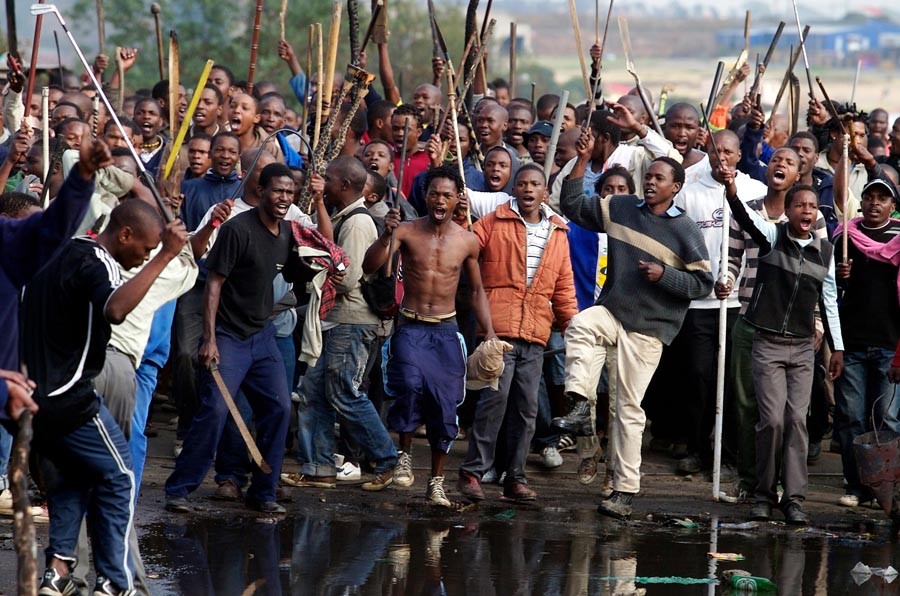
South Africa is experiencing a return of xenophobic sentiments, with anti-immigrant marches and violence reported in various places.
The violence has mostly targeted foreigners from neighboring African countries, including Mozambique, Malawi, Nigeria, and Ghana, amid increased concerns about unemployment, criminality, and illegal immigration.
In some affected areas, protests turned violent, causing migrants to flee their homes and seek safety in temporary camps, community centers, and other secure locations.
According to accounts, some foreign nationals have been injured, moved, or killed during the unrest, which has alarmed neighboring African countries.
The latest episode reignited South Africa's long-running debate about immigration and economic hardship.