Normal to above-normal rainy season over most of Namibia
Most parts of Namibia have recorded normal to above-normal quantities of rainfall during the country’s past rainy season, starting in October last year and ending at the close of April. Figures released by the Namibia Meteorological Service show that the period from the start of October to the end of April was characterised by normal […] The post Normal to above-normal rainy season over most of Namibia appeared first on The Namibian.
 Black News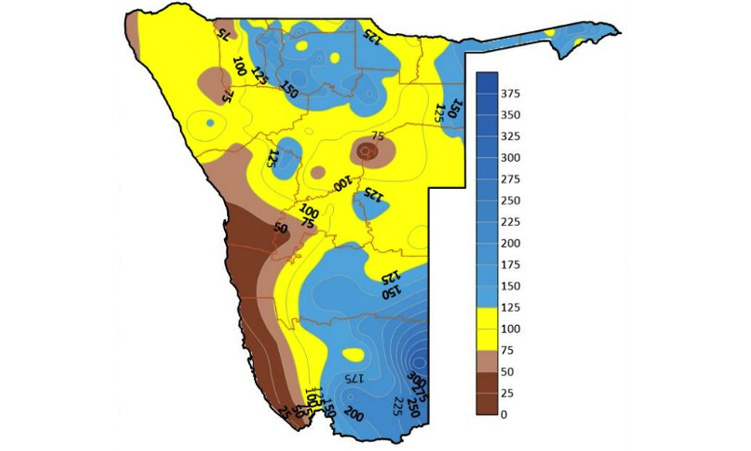
Most parts of Namibia have recorded normal to above-normal quantities of rainfall during the country’s past rainy season, starting in October last year and ending at the close of April.
Figures released by the Namibia Meteorological Service show that the period from the start of October to the end of April was characterised by normal to above-normal rainfall over the country.
Above-normal seasonal rainfall figures were recorded in the north-eastern, central northern and south-eastern parts of Namibia, according to a seasonal rainfall report of the Namibia Meteorological Service issued on Sunday.
However, below-normal rainfall figures were observed over the extreme western parts of the country, pockets of the southern Otjozondjupa region, the extreme north-eastern part of the Kunene region and the western part of the Omusati region, says the seasonal rainfall report.
The meteorological service also reports that the period from the start of October to the end of December last year was the second-wettest in Namibia since 1981. Most of the rain measured across the country over those three months were recorded during December.
“During January 2026, rainfall activities were suppressed over most of the country and below-normal rainfall was observed,” says the seasonal rainfall update.
“The February to March period showed recovery in rainfall activity, where normal to above-normal rains were observed, but below normal in the west. The Kunene and western parts of the Omusati, Erongo, Khomas, Hardap and ||Kharas regions consistently experienced drier than normal conditions from January through March 2026.”
The meteorological service also reports: “The exceptional rains during the first part of the season (October to December) and April propelled seasonal rainfall performance into the normal category in the western parts of the country. The performance of rains over the southern parts of Otjozondjupa remains a mixture of normal to below-normal throughout January to April 2026.”
The meteorological service notes that according to the World Meteorological Organisation an El Niño event – which is associated with below-normal rainfall in southern Africa – is expected to develop from May to July this year and to intensify towards the end of the year.
While mainly normal minimum temperatures are expected over large parts of the country during the June to August period, below-average minimum temperatures are likely over the Khomas, Omaheke and southern Otjozondjupa regions during the same period, the weather service states.
Among the seasonal rainfall totals recorded from October last year to the end of April 2026, with normal seasonal totals in brackets, are:
Katima Mulilo: 1 002 millimetres (654mm)
Rundu Airport: 444mm (547mm)
Eenhana: 599mm (549mm)
Outapi: 634mm (352mm)
Ondangwa: 654mm (429mm)
Opuwo: 283mm (313mm)
Namutoni: 557mm (443mm)
Okaukuejo: 516mm (372mm)
Grootfontein: 828mm (521mm)
Tsumkwe: 577mm (442mm)
Gam: 688mm (404mm)
Okamatapati: 455mm (421mm)
Omaruru: 441mm (283mm)
Khorixas: 243mm (235mm)
Windhoek: 450mm (378mm)
Rehoboth: 212mm (227mm)
Mariental: 310mm (201mm)
Tses: 239mm (131mm)
Keetmanshoop: 143mm (138mm)
Aroab: 577mm (157mm)
Ariamsvlei: 264mm (101mm)
The post Normal to above-normal rainy season over most of Namibia appeared first on The Namibian.