Op-Ed: A Historic Number of Black Women Are Seeking Office in Georgia
This November, eight of Georgia’s nine statewide offices will feature Black women candidates The field is set. After months of campaigning, organizing, and voter engagement, Georgia’s primary and runoff elections […]
 Black News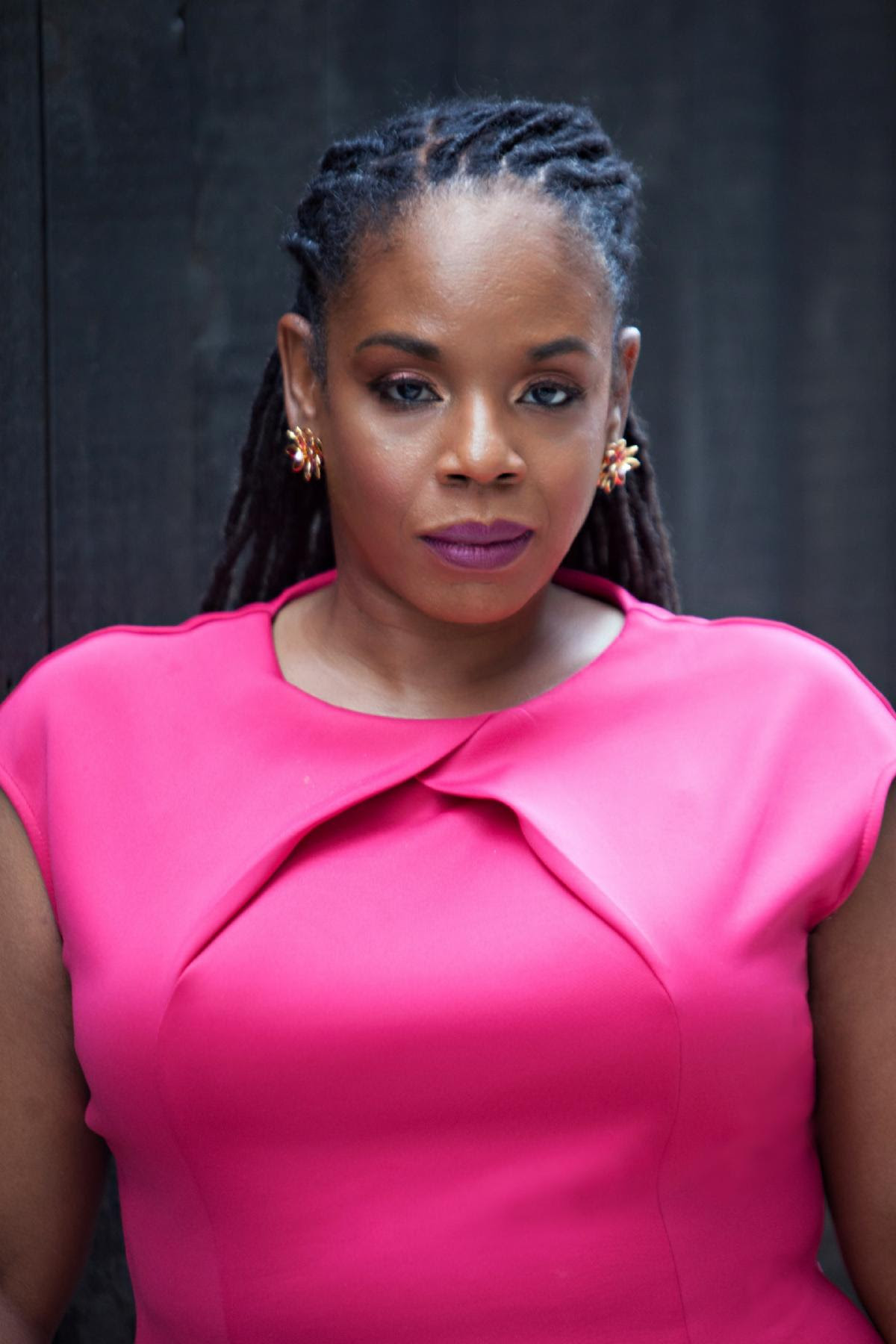
This November, eight of Georgia’s nine statewide offices will feature Black women candidates


The field is set. After months of campaigning, organizing, and voter engagement, Georgia’s primary and runoff elections have concluded, and voters have delivered a clear message: Black women are not only participating in democracy, they are helping shape its future.
With the November ballot now finalized, Georgia is poised to witness one of the most significant displays of Black women’s political leadership in its history. Seven of Georgia’s nine statewide offices will feature Black women candidates, while five Black women are seeking seats in the U.S. House of Representatives.
Former Atlanta Mayor Keisha Lance Bottoms secured the Democratic nomination for governor and remains positioned to become the first Black woman governor in American history. Tanya Miller advanced as the Democratic nominee for attorney general, seeking to become the first Black woman elected to that office in Georgia. This week, Judge Penny Brown Reynolds won the Democratic nomination for secretary of state, placing a nationally respected jurist and voting rights advocate one step closer to overseeing elections in one of the nation’s most closely watched battleground states.
In Georgia’s 1st Congressional District, Amanda Hollowell won her runoff election and now advances to November. Voters will also see Keisha Sean Waites for commissioner of insurance, Nikki Porcher for commissioner of labor, Dr. Lydia Powell for state school superintendent, and Shelia Edwards for public service commissioner, and Katherine E. Juhan-Arnold for commissioner of agriculture. At the federal level, Nikema Williams, Lucy McBath, Jasmine Clark, Hollowell, and Ceretta Smith are seeking seats in Congress.
These victories build upon another historic milestone achieved earlier this year when Alicia Johnson became the first Black woman ever elected to statewide office in Georgia after winning a seat on the Public Service Commission.
Taken together, these candidacies represent one of the strongest showings of Black women’s political leadership in Georgia history. Black women are competing for executive offices, regulatory positions, and congressional seats that will help shape everything from voting rights and public education to economic opportunity and energy policy.
This moment did not happen by accident.
For generations, Black women have been the backbone of Georgia’s democracy. They have registered voters, mobilized communities, built civic infrastructure, and expanded participation in elections across the state. Today, more Black women are moving from organizers to officeholders, from advocates to policymakers, and from movement leaders to elected leaders.
The significance extends far beyond Georgia’s borders.
This November, Georgia voters will help determine the outcome of one of the nation’s most closely watched U.S. Senate races, all 14 congressional seats, and every statewide constitutional office. As they have in recent election cycles, Black voters, and particularly Black women voters, are expected to play a decisive role in shaping those outcomes.
Yet as voters finalized the November ballot, another fight emerged.
Georgia lawmakers were expected to consider new congressional and legislative district maps during a special legislative session called by Governor Kemp. Voting rights advocates warned these maps could weaken Black voting strength and dilute representation. The leaders of the Georgia legislature pulled the plug on gerrymandering away U.S. House seats held by Black Democrats just hours before a special session was to begin.
The decision represents an important pause, but not necessarily the end of the debate. Legislative leaders have indicated that redistricting could return in the future, and voting rights advocates remain vigilant about efforts that could weaken representation for Black communities.
The timing is impossible to ignore.
Just as voters have elevated a historic number of Black women candidates, lawmakers are preparing to redraw the maps that determine how political power is translated into representation.
The juxtaposition is striking. At the very moment Black women are expanding representation, efforts are underway that could diminish the voices of the very communities driving Georgia’s democratic progress.
The November ballot is set. Historic candidates are advancing. A record number of Black women are seeking statewide and federal office in one of the nation’s most consequential battleground states.
Georgia voters will once again help shape the direction of the country.
Democracy must now meet the moment.
The voters have spoken. Now the nation is watching.
Glynda C. Carr is Founder, President and CEO of Higher Heights, a national organization dedicated to expanding Black women’s political leadership, voting participation, and elected representation.