Rising diesel costs push Africa’s telecom giants toward solar power despite China’s plan to end export incentives
Africa’s telecom operators are accelerating investments in solar-powered infrastructure as rising diesel prices, unstable electricity grids and escalating energy costs make traditional tower operations increasingly expensive across the continent.
 Black News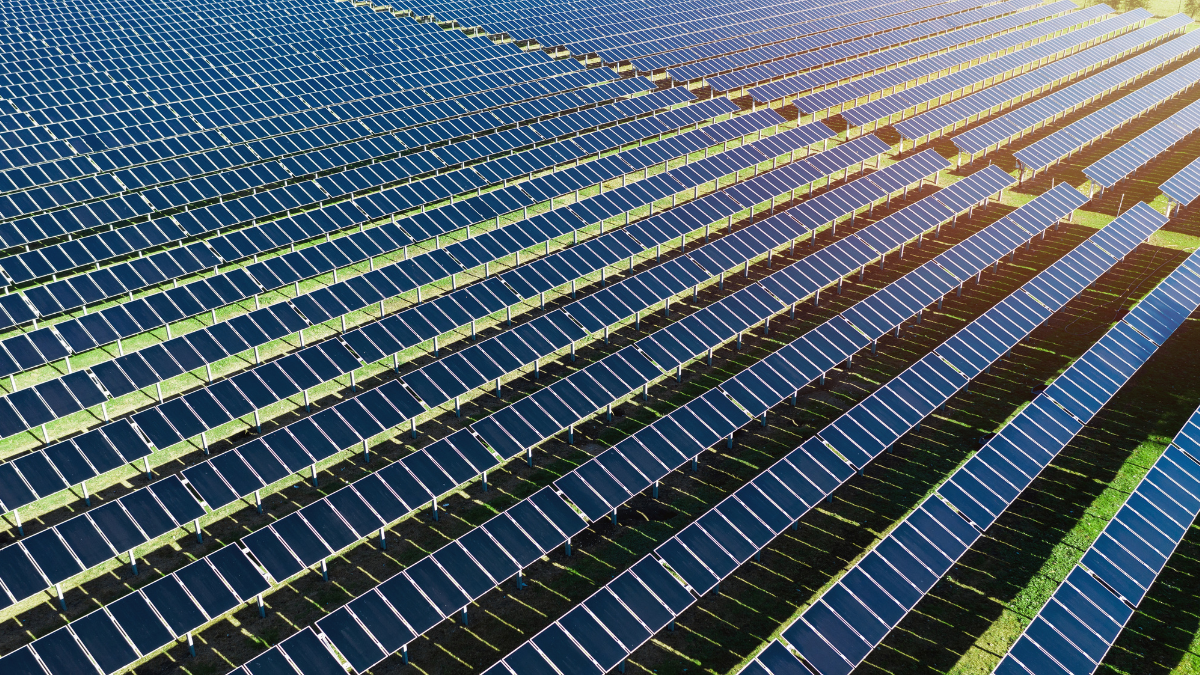

Africa’s telecom operators are accelerating investments in solar-powered infrastructure as rising diesel prices, unstable electricity grids and escalating energy costs make traditional tower operations increasingly expensive across the continent.
- African telecom operators are increasing investments in solar-powered infrastructure due to rising diesel prices and unstable electricity grids.
- The switch to renewables is accelerating, with companies like MTN Group and Safaricom reporting significant cost savings after adopting solar systems.
- Investor interest in renewable infrastructure is growing, with hundreds of millions of dollars being invested in solar-powered telecom projects across the continent.
- Africa remains dependent on imported solar equipment from China, but some countries like Nigeria are boosting domestic manufacturing to reduce reliance on imports.
The shift comes despite China’s plan to end tax rebates on solar panel exports, a move analysts say could increase costs for African buyers as escalating Middle East tensions continue to pressure global energy markets.
Diesel costs pressure telecom operators
According to data from Mordor Intelligence, grid and diesel hybrid systems accounted for 73.9% of Africa’s telecom tower market share in 2025, reflecting the sector’s continued dependence on fossil fuels.
Diesel logistics also account for as much as 40% of operating expenses at remote tower sites.
The challenge is especially severe across Africa’s estimated 500,000 telecom towers, many located in rural and off-grid areas where diesel generators remain the main source of power.
The strain has intensified as tensions involving the US, Israel and Iran disrupt global energy markets and push up diesel costs.
At the same time, rising electricity tariffs from major regional and local power utility companies are driving more businesses toward renewable energy as companies seek cheaper and more reliable power sources.
Mordor Intelligence projects renewable-powered telecom sites will expand at an 11.68% compound annual growth rate through 2031, with the market potentially exceeding $694 million if retrofit targets are achieved.
Telecom operators accelerate solar investments
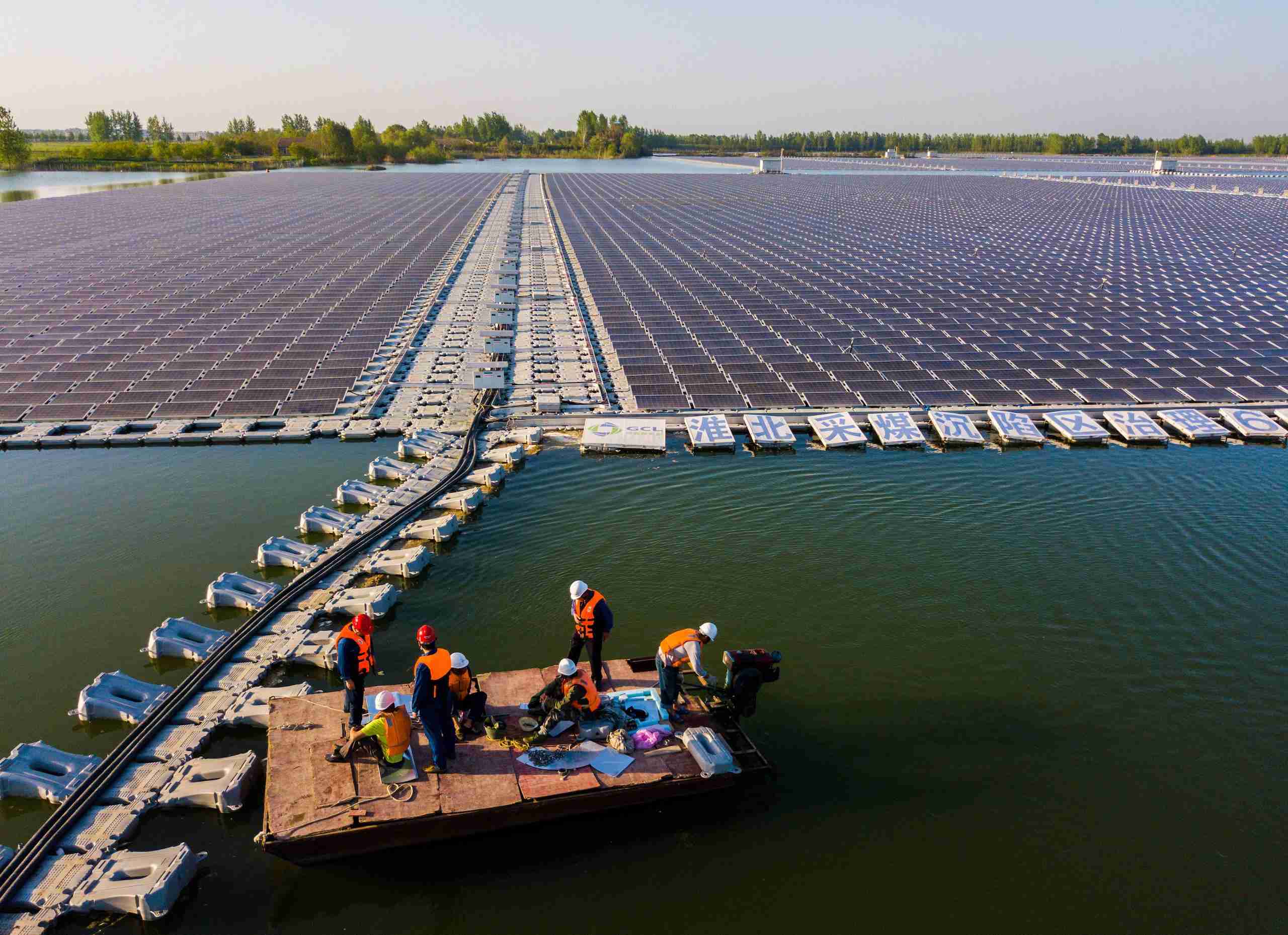
Major telecom operators across Africa are accelerating investments in solar infrastructure as rising fuel and electricity costs increase pressure on network operations.
Vodacom Group said energy costs rose 5% to $300 million in 2025 because of higher electricity tariffs and fuel prices, while Safaricom raised $153.6 million through green bonds partly to support telecom tower solarisation projects.
According to the Associated Press, Atlas Tower Kenya recently announced a $52.5 million investment to construct 300 solar-powered telecom towers serving operators including Safaricom, Airtel Africa and Telkom Kenya. The company said 82% of its existing 500 towers are already solar powered.
Some African telecom firms began moving into renewable energy years earlier. In 2018, Econet Wireless Zimbabwe committed more than $250 million to solar energy projects after securing a licence to construct and operate a solar plant at its Willovale site in Harare.
Operators are also beginning to record savings from the transition. MTN Group operations in South Sudan reportedly reduced fuel spending by about 30% after deploying solar systems, while Airtel Africa and ENGIE Energy Access cut diesel use by more than half at sites in Zambia and Congo.
IHS Towers said its Project Green initiative generated annual savings of about $49 million, strengthening the business case for renewable energy adoption across telecom networks.
Investor appetite for renewable infrastructure is also growing. Mauritius-based CrossBoundary Energy recently secured a $40 million investment to expand renewable energy projects across sub-Saharan Africa, while GreenWish Partners earmarked about $800 million for solar-powered telecom tower projects across the continent.
China’s export policy raises fresh concerns
The transition, however, still leaves Africa heavily reliant on imported solar equipment from China, which dominates global panel manufacturing.
A recent report said Beijing plans to end value-added tax rebates on solar panel exports and phase out incentives for battery storage equipment, moves analysts say could raise costs for African buyers.
According to the South China Morning Post, Chinese solar exports surged to a record high in March following the announcement, as buyers rushed to secure supplies before the policy changes take effect.
Africa recorded a 176% month-on-month jump in imports, driven largely by demand from Nigeria, Kenya and Ethiopia.
The report added that Chinese exports of solar products, batteries and electric vehicles rose 70% year on year to $21.9 billion in March, underlining the country’s dominance in global clean energy supply chains despite Middle East-related trade disruptions.
Nonetheless, African countries are expanding local manufacturing capacity. Nigeria attracted about $425 million in investment in 2025 for eight renewable energy manufacturing facilities, while Globeleq is developing a $315 million solar-battery plant in Zambia.