Strait of Hormuz tensions sparks coal rush, opening export window for South Africa
Rising tensions in the Middle East and disruptions to oil and gas flows through the Strait of Hormuz are creating an unexpected opportunity for South Africa, Africa’s largest coal producer, as global buyers increasingly turn back to coal to secure energy supplies.
 Black News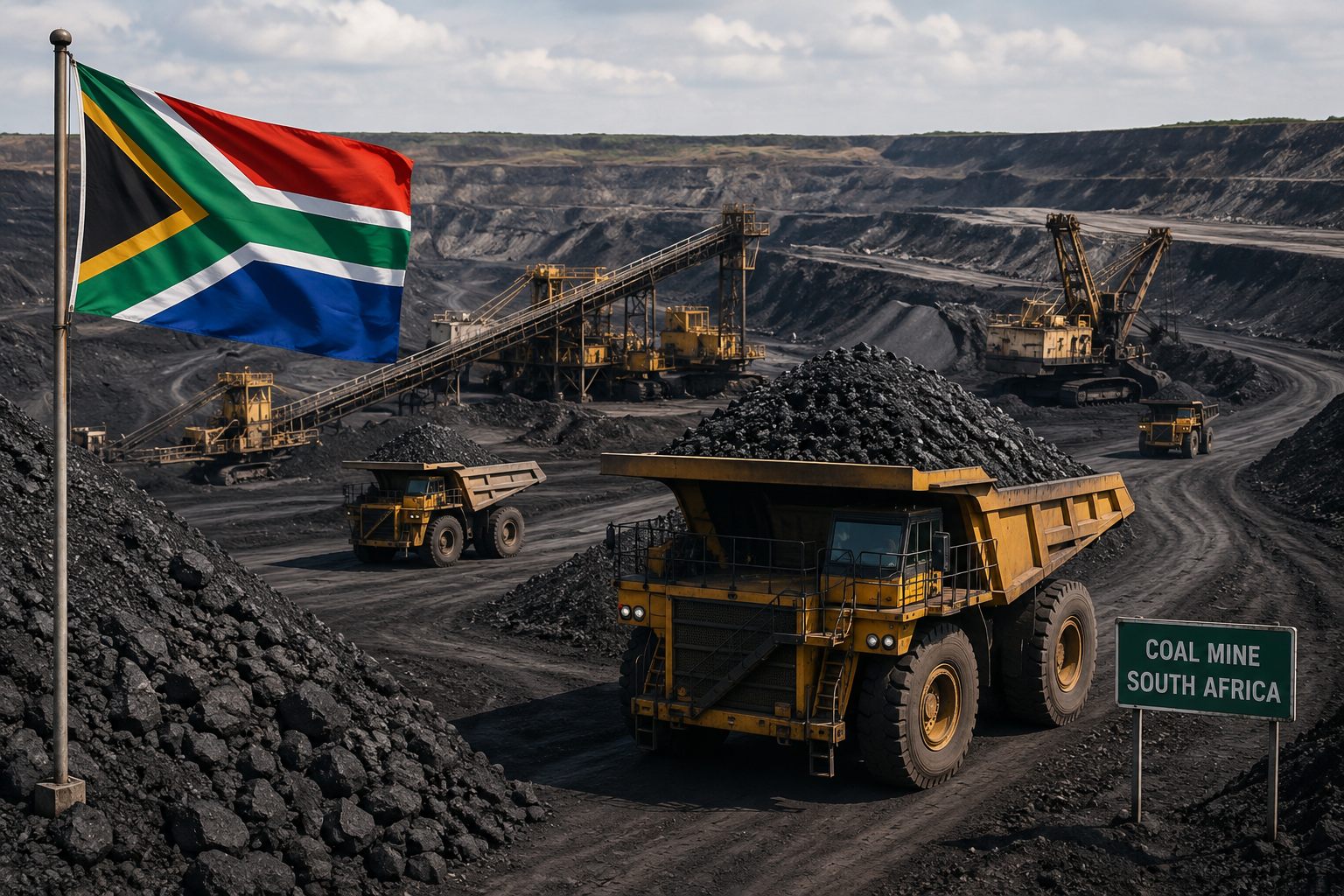

Rising tensions in the Middle East and disruptions to oil and gas flows through the Strait of Hormuz are creating an unexpected opportunity for South Africa, Africa’s largest coal producer, as global buyers increasingly turn back to coal to secure energy supplies.
- Rising tensions in the Middle East have disrupted oil and gas flows, prompting increased global demand for coal as an alternative energy source.
- South Africa, as Africa's largest coal producer, stands to benefit from this surge, particularly as Asian and European countries seek alternative supplies.
- Despite high demand, South Africa's coal export growth is limited by rail and logistics bottlenecks.
- Asian countries, especially India account for around 80% of exports, while European and African markets absorb about 10% each.
Global coal imports are on course for their third-highest monthly total on record this May, according to the Financial Times, citing pricing agency Argus, as countries across Asia and Europe seek alternatives to disrupted gas supplies.
South Africa stands to benefit from the surge in demand as Africa’s largest coal producer and one of the world’s top exporters.
Coal remains central to South Africa’s economy, powering roughly 80% of the country’s electricity through Eskom while also serving as a major export commodity.
About one-third of South Africa’s coal production was exported in 2025, with annualised volumes estimated at around 72 million tonnes. Nearly 94% of exports moved through the Richards Bay Coal Terminal (RBCT), one of the world’s largest coal export hubs.
Asia accounted for roughly 80% of South Africa’s coal exports, with India alone purchasing about 46% of shipments. Other major buyers include South Korea, Pakistan and Vietnam. Europe and African markets each accounted for around 10% of exports.
However, the country’s ability to fully capitalise on rising global demand remains limited by rail and logistics bottlenecks.
Despite some operational improvements by Transnet, RBCT which has an installed capacity of 91 million tonnes per annum, is operating below capacity, with export flows tracking at an annualised 56.8 million tonnes in 2025.
Freight surge reshapes coal trade
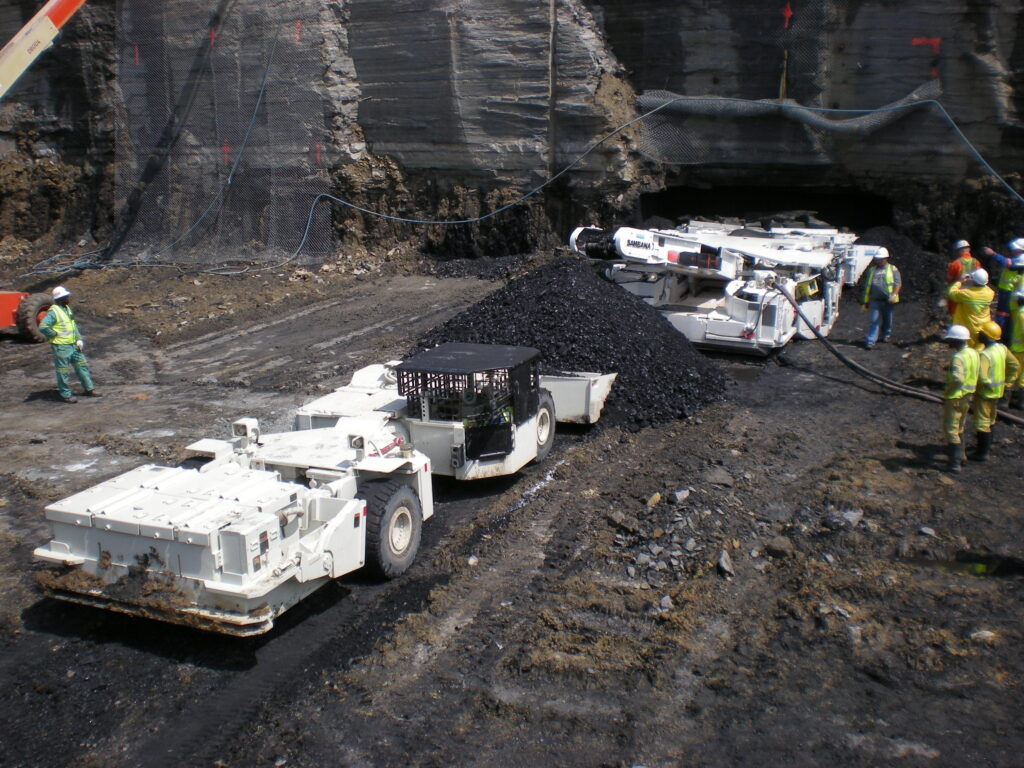
Coal shipments usually slow during April and May as the northern hemisphere heating season winds down. However, freight rates for medium-sized bulk carriers are now running about 50% above February levels, highlighting the scale of renewed demand.
Shipping rates from Indonesia, the world’s largest coal exporter, have risen between 60% and 75%, while Australian rates are up between 40% and 50%, according to the Financial Times.
The tightening market could make South African coal more competitive, particularly as Asian utilities race to secure stable supply.
“For every ton of gas displaced, about two tons of coal were required as a substitute,” Angeliki Frangou, CEO of Greek shipping group Navios Partners, told the Financial Times, highlighting how rapidly energy buyers are reverting to coal.
The renewed demand comes as Indonesia introduced export restrictions in April, further tightening global thermal coal supply. At the same time, China’s coal demand has increased due to a rise in coal-to-chemicals production following Gulf-linked petrochemical shortages.
As of December last year, South Africa had become Israel’s largest supplier of thermal coal after Colombia halted exports, with South African mining companies stepping in to fill the supply gap despite Pretoria’s diplomatic opposition to Israel.
Several Asian economies are also reviving coal-fired generation. South Korea lifted seasonal caps on coal plants in March, Thailand restarted dormant capacity, while Vietnam and Japan increased coal generation.
According to shipping association, the Baltic and International Maritime Council (BIMCO), coal shipments to Japan, South Korea and the European Union jumped 27% year-on-year in April, potentially opening a fresh export earnings window for South African miners despite persistent rail and port bottlenecks linked to Transnet.