Tampa Is Becoming an Even More Important Caribbean Cruise Port With a Major Terminal Upgrade
Port Tampa Bay has completed a major cruise infrastructure project that underscores the growing importance of the Florida Gulf Coast as a gateway to the Caribbean. The port has installed three new passenger boarding bridges at its cruise terminals, part of a broader modernization effort designed to improve the boarding experience while supporting continued cruise growth. Two of […] The post Tampa Is Becoming an Even More Important Caribbean Cruise Port With a Major Terminal Upgrade appeared first on Caribbean Journal.
 Black News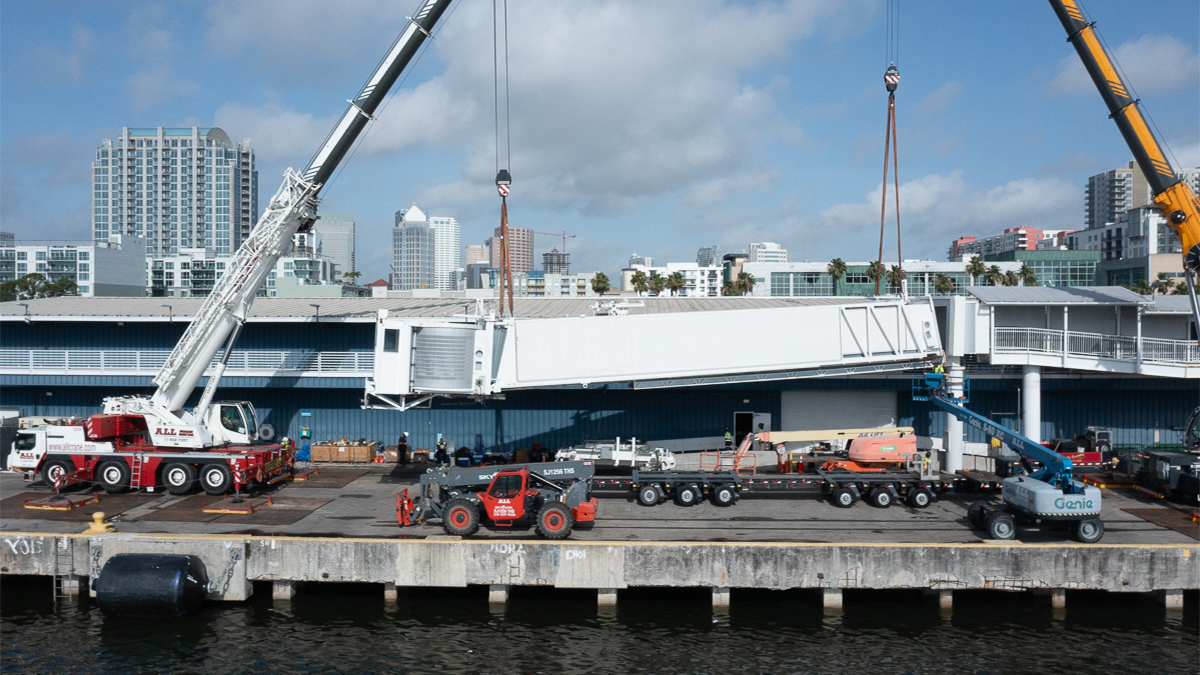
Port Tampa Bay has completed a major cruise infrastructure project that underscores the growing importance of the Florida Gulf Coast as a gateway to the Caribbean.
The port has installed three new passenger boarding bridges at its cruise terminals, part of a broader modernization effort designed to improve the boarding experience while supporting continued cruise growth.
Two of the new climate-controlled boarding bridges have been installed at Cruise Terminal 2, with a third added at Cruise Terminal 6, replacing equipment that had been in service for years.
While the investment is focused on passenger comfort and operational efficiency, it also highlights a larger trend: Tampa is becoming an increasingly important departure port for Caribbean cruises.
The city has steadily expanded its role in the Caribbean cruise market, giving travelers on Florida’s Gulf Coast another convenient alternative to larger ports such as Miami, Port Everglades and Port Canaveral.
Today, Carnival Cruise Line, Royal Caribbean International and Norwegian Cruise Line all operate Caribbean itineraries from Port Tampa Bay, with ships sailing to destinations including Cozumel, Grand Cayman, Belize City, Mahogany Bay in Roatán, Costa Maya, and ports throughout the Western Caribbean.
The port is also home to seasonal sailings from Celebrity Cruises, adding another premium option for Caribbean vacations.
A Better Boarding Experience
The new boarding bridges are designed to accommodate a wider variety of cruise ships and boarding heights, giving cruise lines more flexibility while improving the passenger experience.
Each enclosed bridge is fully climate-controlled, providing protection from Florida’s heat and rain during embarkation and debarkation.
The bridges also include self-adjusting technology, advanced stabilization systems, real-time monitoring and upgraded load-management capabilities designed to improve safety and operational reliability.
Passengers should notice smoother boarding procedures, reduced waiting times and a more comfortable transition between terminal and ship.
“This investment reflects our continued commitment to delivering a world-class experience for cruise guests while modernizing critical infrastructure across our terminals,” said Port Tampa Bay President and CEO Paul Anderson.
“The upgrades represent a strategic investment in the future of cruise travel at Port Tampa Bay, improving comfort, efficiency and flexibility for our cruise partners and the millions of travelers who choose the port each year, while reinforcing our position as a premier cruise gateway on Florida’s Gulf Coast.”
Supporting Caribbean Cruise Growth
The boarding bridge project is one piece of a broader cruise expansion strategy at Port Tampa Bay.
The port says the improvements complement long-term plans that include development of a fourth cruise terminal, designed to accommodate growing passenger demand and the changing needs of cruise operators.
The project also includes a long-term maintenance and monitoring agreement intended to reduce downtime and extend the life of the new equipment.
Cruise tourism has become an increasingly important part of Tampa’s economy, supported by the region’s expanding population, improved air service and its location on Florida’s Gulf Coast.
Tampa offers a particularly attractive option for Western Caribbean itineraries, often allowing passengers to avoid the heavier traffic associated with South Florida cruise ports while still sailing to many of the region’s most popular destinations.
As cruise lines continue investing in newer ships and expanding Caribbean deployments, ports capable of handling a wide variety of vessels efficiently have become increasingly valuable.
With upgraded terminals, a growing cruise portfolio and plans for additional expansion, Port Tampa Bay is positioning itself to play an even larger role in the Caribbean cruise market in the years ahead.
The post Tampa Is Becoming an Even More Important Caribbean Cruise Port With a Major Terminal Upgrade appeared first on Caribbean Journal.