The Rise of Nigerian Authors on the International Literary Scene????????
A New Chapter for Nigerian Literature In 2026, Nigerian literature is experiencing an unprecedented global moment. From major international publishing deals to prestigious literary awards and streaming adaptations, Nigerian authors are increasingly shaping conversations in contemporary fiction, memoir, fantasy, romance, and speculative writing. What was once considered a niche segment of African literature has evolved […]
 Black News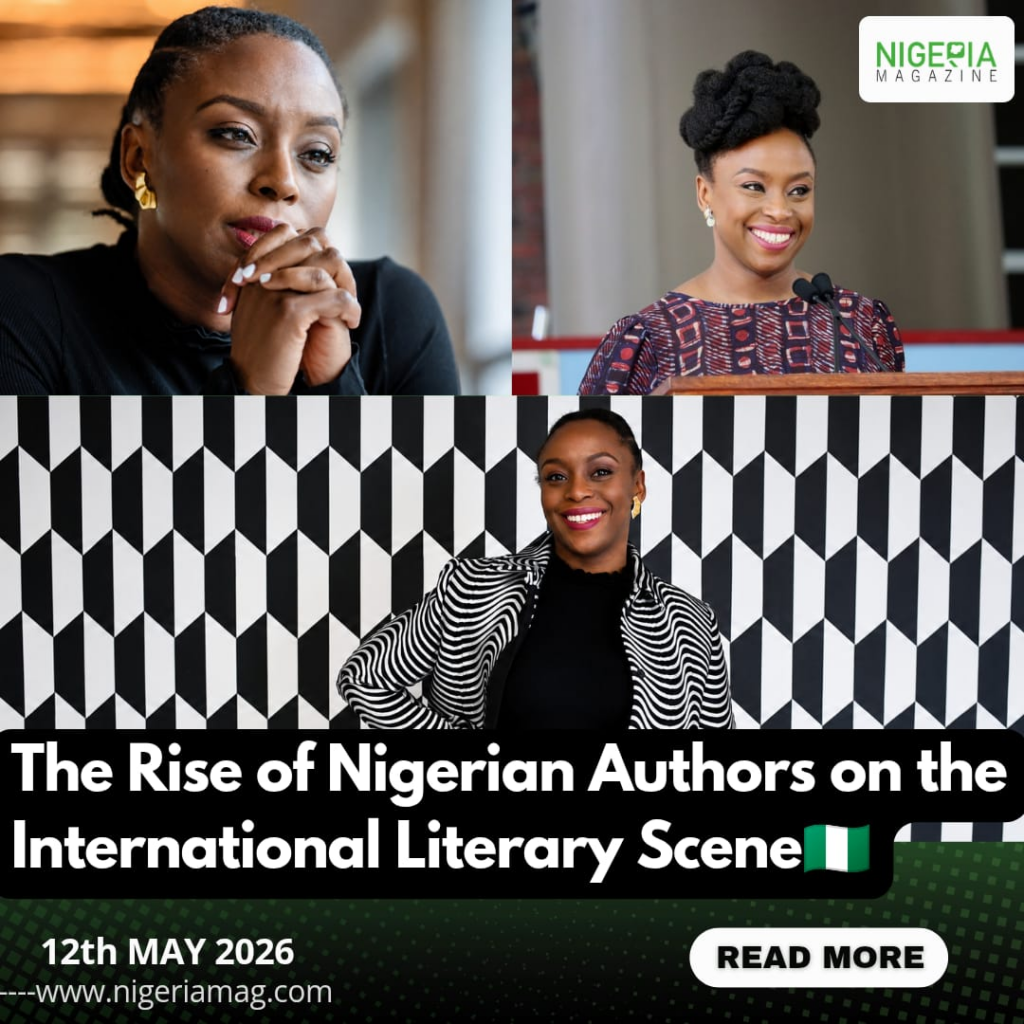
A New Chapter for Nigerian Literature
In 2026, Nigerian literature is experiencing an unprecedented global moment. From major international publishing deals to prestigious literary awards and streaming adaptations, Nigerian authors are increasingly shaping conversations in contemporary fiction, memoir, fantasy, romance, and speculative writing. What was once considered a niche segment of African literature has evolved into a powerful cultural force with worldwide readership.
The rise of Nigerian authors on the international literary scene reflects not only the richness of the country’s storytelling tradition but also the growing global appetite for diverse voices and authentic narratives.
Publishers in the United States, the United Kingdom, and Europe are actively seeking Nigerian stories that explore identity, migration, politics, history, feminism, spirituality, and urban African life.
The Foundation Laid by Literary Icons
The international success of Nigerian literature did not happen overnight. Earlier generations of writers laid the groundwork decades ago. Literary giants such as Chinua Achebe and Wole Soyinka introduced African storytelling to the global stage, challenging colonial narratives and presenting African societies through authentic perspectives.
Achebe’s landmark novel, “Things Fall Apart”, remains one of the most widely read African novels in the world. Soyinka’s Nobel Prize in Literature in 1986 also cemented Nigeria’s position as a major contributor to global literature.
Today’s generation of writers has built on that legacy while embracing modern themes and digital-era readerships.
Contemporary Nigerian Writers Breaking Global Boundaries
Few authors symbolise the global rise of Nigerian literature more than Chimamanda Ngozi Adichie. Her novels, including Americanah and Half of a Yellow Sun, have become international bestsellers studied in universities worldwide. Adichie’s influence extends beyond literature into conversations about feminism, race, migration, and African identity.
Another standout figure is Ayọ̀bámi Adébáyọ̀, whose emotionally layered storytelling has earned critical acclaim across global markets. Her works resonate strongly with readers seeking intimate, character-driven African narratives.
The rise of speculative fiction has also introduced a new wave of Nigerian voices to international audiences. Nnedi Okorafor has gained worldwide recognition for blending African mythology with science fiction and fantasy. Her works have helped redefine Afrofuturism and opened doors for more African fantasy writers in mainstream publishing.
Similarly, authors such as Akwaeke Emezi continue to attract global readership through genre-defying stories that explore identity, spirituality, and selfhood. Emezi’s books have earned award nominations and strong commercial success in international markets.
Publishing Deals and Global Recognition
International publishing houses are increasingly investing in Nigerian talent. Global imprints now compete for African literary voices, offering larger advances, international tours, translation deals, and multimedia adaptations.
This shift reflects changing publishing trends. Readers across North America, Europe, and Asia are demanding stories that move beyond Western perspectives. Nigerian authors, with their ability to merge local realities with universal human experiences, have emerged as some of the strongest voices answering that demand.
Book festivals and literary prizes have also contributed to this visibility. Nigerian writers are now regular finalists and winners in globally respected awards, including the Booker Prize, the Women’s Prize for Fiction, and the Commonwealth Writers’ Prize.
In recent years, Nigerian books have increasingly been adapted for television and film, further expanding their global reach.
Streaming platforms are actively sourcing African stories, recognising the growing international market for African narratives.
The Role of Social Media and Digital Platforms
Digital media has played a major role in amplifying Nigerian literature globally. Platforms such as BookTok, Bookstagram, podcasts, and online reading communities have introduced millions of readers to African authors.
A single viral review can significantly boost book sales and international visibility. Young Nigerian writers are also using social media to build audiences before securing traditional publishing contracts. This direct connection with readers has reduced barriers that once limited African authors’ access to global markets.
Online literary magazines, virtual writing workshops, and self-publishing platforms have further democratised opportunities for emerging writers. As a result, more Nigerian voices from different regions, backgrounds, and genres are entering international literary conversations.
Themes Resonating with Global Audiences
One reason Nigerian literature continues to thrive internationally is its thematic depth and emotional universality. While deeply rooted in Nigerian culture, these stories often explore experiences that resonate globally; love, displacement, ambition, grief, identity, and resilience.
Migration narratives remain particularly popular, especially stories examining the African diaspora experience. Readers are drawn to books that explore what it means to navigate multiple identities across continents.
There is also growing interest in stories centered on African spirituality, folklore, and speculative futures. Nigerian authors are increasingly reclaiming indigenous traditions and presenting them in ways that feel modern, cinematic, and globally accessible.
Romance, thrillers, and young adult fiction written by Nigerian authors are also gaining momentum, proving that African literature is no longer confined to literary fiction alone.
Challenges Still Facing Nigerian Writers
Despite the progress, challenges remain. Many Nigerian writers still face limited local publishing infrastructure, inadequate literary funding, and distribution difficulties within Africa itself. Piracy also continues to affect authors’ earnings and intellectual property rights.
Access to global publishing opportunities often depends on international networks that are not equally available to all writers.
Emerging authors outside major urban centers may struggle for visibility despite their talent.
However, literary organisations, writing residencies, and independent African publishers are increasingly working to bridge these gaps.
A Defining Era for Nigerian Storytelling
The rise of Nigerian authors on the international literary scene marks more than a publishing trend; it represents a cultural shift. Nigerian writers are no longer simply contributing to global literature; they are actively redefining it.
As international audiences continue embracing African stories, Nigerian literature is entering a defining era of influence, innovation, and global recognition. With a new generation of bold storytellers emerging each year, the future of Nigerian writing appears brighter than ever.
In 2026, Nigerian literature is not waiting for a seat at the global table. It is helping shape the conversation itself.