Turn rice sector into growth engine – Veep tells regional investors, policymakers
The Vice President, Professor Naana Jane Opoku-Agyemang, yesterday opened a two-day ECOWAS Rice Investment Roundtable in Accra with a call on West Africa to see the rice sector as a strategic economic asset. According to her, rice farming had moved beyond just cultivation and any attempt to discuss it must focus on young people, incomes … The post Turn rice sector into growth engine – Veep tells regional investors, policymakers appeared first on Ghanaian Times.
 Black News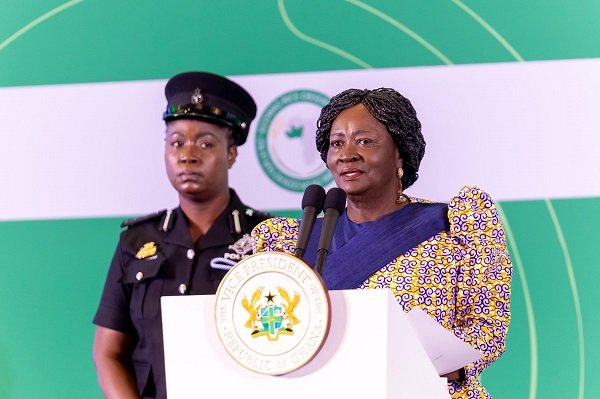
The Vice President, Professor Naana Jane Opoku-Agyemang, yesterday opened a two-day ECOWAS Rice Investment Roundtable in Accra with a call on West Africa to see the rice sector as a strategic economic asset.
According to her, rice farming had moved beyond just cultivation and any attempt to discuss it must focus on young people, incomes and strengthening the resilience of their respective economies against global shocks.
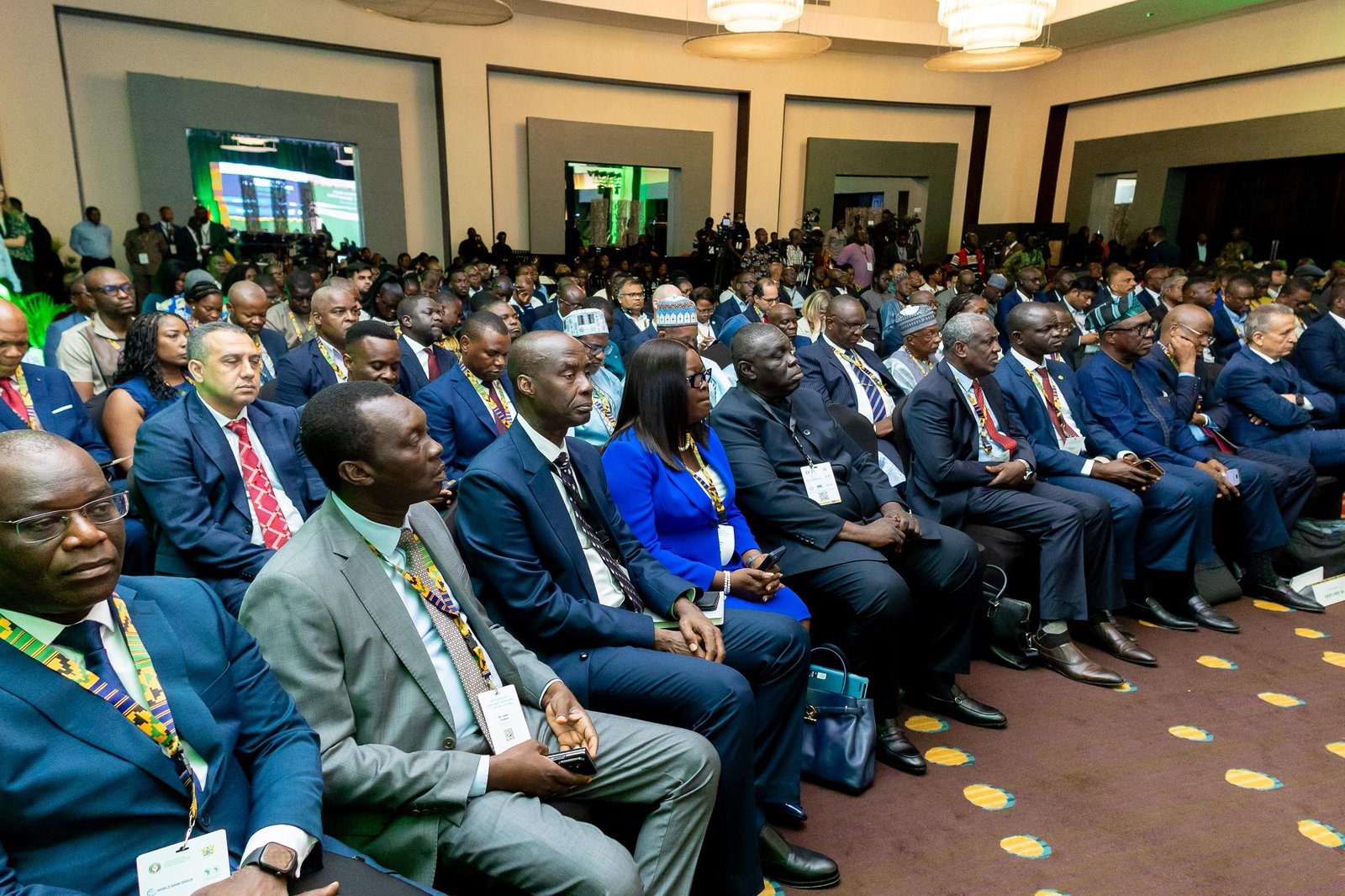
Addressing participants at the conference, which brought together ministers, development finance institutions, development partners, private sector leaders and representatives of the Economic Community of West African States (ECOWAS), Prof. Opoku-Agyemang said food security had become a critical issue that extended beyond agriculture to encompass economic stability, social protection, national security and geopolitical independence.
She noted that recent climate shocks, export restrictions, trade tariffs and geopolitical tensions had exposed the fragility of global food systems, warning that countries that relied heavily on food imports also imported vulnerability.
The Vice President observed that West Africa possessed fertile land, abundant water resources, entrepreneurial farmers, growing consumer markets and one of the youngest populations in the world, yet the continent continued to spend more than $50 billion annually on food imports, with rice accounting for a significant portion of the bill.
She said the challenge confronting the region was not only increasing rice production but also mobilising the scale of capital required to transform agriculture from a subsistence activity into a commercially viable industry supported by integrated value chains.
“West Africa must therefore see rice as a strategic economic asset. It is about jobs for our young people, incomes for farmers and strengthening the resilience of our economies against future global shocks,” she stressed.
Highlighting the impact of climate change on agricultural productivity, she stressed the need for investments in water management systems, resilient seed varieties, digital agriculture and sustainable farming practices.
Prof Opoku-Agyemang further underscored the importance of regional cooperation, noting that stronger collaboration among West African countries would help deepen trade, improve food security and advance the objectives of the African Continental Free Trade Area.
She expressed Ghana’s readiness to work with partners to strengthen policy coordination, improve infrastructure, promote agribusiness development and create an enabling environment for investment across the rice value chain.
“The future of African food security must be grown in African soil, financed by beneficial partnerships, powered by African enterprise and sustained through regional cooperation,” she said.
The President of the ECOWAS Commission, Dr Omar Alieu Touray, said the Regional Rice Roadmap (2025–2035), adopted by ECOWAS Heads of State and government in 2024, provided a framework to guide investments towards achieving rice self-sufficiency in West Africa.
He said although regional rice production increased by 44 per cent between 2008 and 2024, current output met only 61 per cent of demand, resulting in continued dependence on imports.
He therefore urged governments, development partners, financial institutions and private investors to accelerate financing for rice production and value-chain development.
The Minister for Food and Agriculture, Mr Eric Opoku, announced that government would implement an import quota policy linking rice import permits to domestic production as part of efforts to attain self-sufficiency within the next 10 years.
Under the policy, rice importers would be required to demonstrate verified procurement from and partnerships with local rice producers before import permits are approved.
Mr Opoku said Ghana currently consumed about 1.71 million tonnes of rice annually but produced only 960,000 tonnes, leaving a deficit of approximately 751,000 tonnes and a self-sufficiency rate of 56 per cent.
According to him, the country spent about US$320 million annually on rice imports, representing foreign exchange and employment opportunities lost to other economies.
To support investment in the sector, the minister disclosed that government had commissioned advanced satellite-based geospatial mapping to identify and characterise rice-suitable lands nationwide.
He said the exercise had already identified about 515,000 hectares under rice cultivation and would provide investors with verified, location-specific opportunities backed by reliable production data and monitoring systems.
BY CLIFF EKUFUL & AGNES OPOKU SARPONG
Follow our WhatsApp Channel now! https://whatsapp.com/channel/0029VbAjG7g3gvWajUAEX12Q

The post Turn rice sector into growth engine – Veep tells regional investors, policymakers appeared first on Ghanaian Times.