Uganda And Zimbabwe: Creating “Constitutional Dictatorships”?
By Tom Oniro Elenyu The long-awaited and almost forgotten parliamentary system of democracy which ring-fences the election of the president in Uganda to only lawmakers, has been re-ignited by the Speaker of Parliament, Anita Among, at the week-long ruling National Resistance Movement (NRM) retreat. In the former British dominions of South Africa and Botswana, for example, a party with majority MPs elect the president for a five-year tenure. Besides strictly legislators electing the chief executive of the country, the Anita Among’s renewed proposal also extends the current five-year lifespan of Parliament to seven years. Concurrently, according to the proposal, the President and MPs, shall be elected after every seven-year interval instead of the current five. Uganda’s Parliament lifted the statutory clause that restricted the term of the President to two five-year terms in July 2005. The proposal denies citizens the current universal adult suffrage where citizens of 18 years and above are eligible to vote their leaders at all voting levels in the country. “After 30 years, it is time for an inclusive, transparent and comprehensive review of the Constitution. Nevertheless, this is not the time for piecemeal constitutional changes. Both the Parliament and the Executive agree on this,” Justice and Constitutional Affairs minister, Norbert Mao, said. According to Mao, the Ministry of Justice and Constitutional Affairs, through the Law Reform Commission, has compiled a rack of Constitutional Reform Proposals; including the extended tenure of the National Assembly [from the current five to seven years]. “But the timing of Constitutional Reforms is a political process requiring political will. We expect that the process will not get stalled in the next five years [i.e. 2026-2031],” Mao said on April 12. “I doubt that a review of the Constitution is in itself enough. The country celebrated the New Constitution in 1995 with the belief that we had resolved the political, social and economic questions. Many of those questions still stand unanswered today,” seasoned Constitutional Lawyer, Dan Wandera Ogalo, posted on X, in reply to Mao. Uganda’s current Constitution was promulgated on October 8, 1995. A seven-year tenure for the Executive and Legislature was better-known to French colonies in Africa. It is unfamiliar to former British dominions like Uganda and Zimbabwe which is also causing reverberations in the Southern African nation where President Emmerson Mnangagwa is spearheading constitutional reforms to elongate his stay in power. In an April 11 post on X, Ugandan veteran journalist, Charles Onyango-Obbo, argues that African politics in 2026 is a three-way war for the continent’s soul. “First, we have the regressive restoration trend, now unfolding in Zimbabwe. President Mnangagwa is waging legal warfare to resurrect Robert Mugabe’s ghost. By stretching presidential and parliamentary terms from five to seven years and handing MPs—not citizens—the power to choose the President, Zimbabwe’s political class is turning the state back into a private club for elites. Uganda, Equatorial Guinea, and Congo-Brazzaville may soon follow this path,” Onyango-Obbo submits. According to a one Alfred Afeku Njoroge, in an April 13 post on X; “Uganda’s constitution is deliberately weak. Constitutional review is necessary, we agree. But there is no reason whatsoever to extend the tenure of the National Assembly. That’s a meal card or self-serving amendment that has damaged Uganda’s democracy before. I think foundational clauses must be made unamendable except by national referendum. That is how we protect democracy and good governance. Actually for better accountability we should lower the tenure to three years.” Some political analysts want citizens included in the constitutional review process since these are “contentious issues” arguing that extending the tenure from five to seven years needs a referendum so that Ugandans can move together. Others vouch for a seven-year tenure but with a term limited to the presidency which so far is open since the clause deletion on 13 July 2005. Another contentious deletion was in December 2017 of Article 102(2) which had set 35 years of age as the minimum and 75 years as maximum ceiling for a citizen to contest for the presidency in Uganda. “You should give yourselves 20 years’ terms and abolish the elections. Make parliament and presidency hereditary to save our lives and resources!” a one Frank Bwambale reacted angrily to Mao. “This isn’t reform. It’s theft. 7-year terms…[and] letting MPs pick the President steals freedom from 45M Ugandans. We need hospitals, jobs, roads, fight corruption to the roots—not self-service disguised as law. This is a coup against the people, written in legal language,” the CEO of Mentorship Foundation Uganda, Joshua Israel Akwandanaho, responded on April 13. The May 2024 National Population and Household Census report
 Black News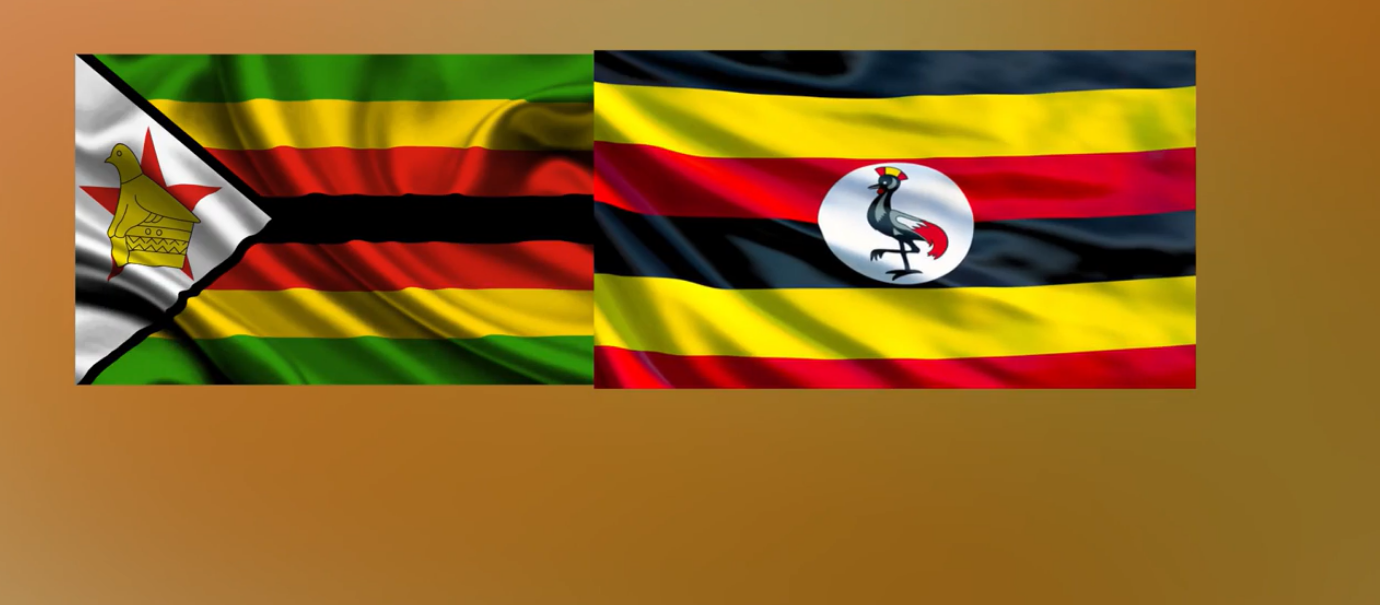
By Tom Oniro Elenyu
The long-awaited and almost forgotten parliamentary system of democracy which ring-fences the election of the president in Uganda to only lawmakers, has been re-ignited by the Speaker of Parliament, Anita Among, at the week-long ruling National Resistance Movement (NRM) retreat. In the former British dominions of South Africa and Botswana, for example, a party with majority MPs elect the president for a five-year tenure.

Besides strictly legislators electing the chief executive of the country, the Anita Among’s renewed proposal also extends the current five-year lifespan of Parliament to seven years.
Concurrently, according to the proposal, the President and MPs, shall be elected after every seven-year interval instead of the current five. Uganda’s Parliament lifted the statutory clause that restricted the term of the President to two five-year terms in July 2005. The proposal denies citizens the current universal adult suffrage where citizens of 18 years and above are eligible to vote their leaders at all voting levels in the country.
“After 30 years, it is time for an inclusive, transparent and comprehensive review of the Constitution. Nevertheless, this is not the time for piecemeal constitutional changes. Both the Parliament and the Executive agree on this,” Justice and Constitutional Affairs minister, Norbert Mao, said.
According to Mao, the Ministry of Justice and Constitutional Affairs, through the Law Reform Commission, has compiled a rack of Constitutional Reform Proposals; including the extended tenure of the National Assembly [from the current five to seven years]. “But the timing of Constitutional Reforms is a political process requiring political will. We expect that the process will not get stalled in the next five years [i.e. 2026-2031],” Mao said on April 12.
“I doubt that a review of the Constitution is in itself enough. The country celebrated the New Constitution in 1995 with the belief that we had resolved the political, social and economic questions. Many of those questions still stand unanswered today,” seasoned Constitutional Lawyer, Dan Wandera Ogalo, posted on X, in reply to Mao. Uganda’s current Constitution was promulgated on October 8, 1995.
A seven-year tenure for the Executive and Legislature was better-known to French colonies in Africa. It is unfamiliar to former British dominions like Uganda and Zimbabwe which is also causing reverberations in the Southern African nation where President Emmerson Mnangagwa is spearheading constitutional reforms to elongate his stay in power.
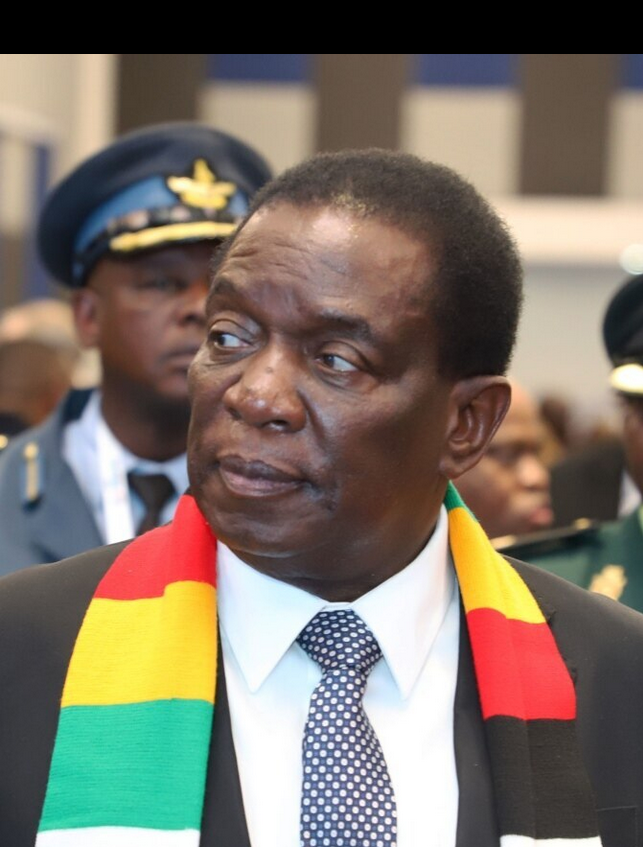
In an April 11 post on X, Ugandan veteran journalist, Charles Onyango-Obbo, argues that African politics in 2026 is a three-way war for the continent’s soul. “First, we have the regressive restoration trend, now unfolding in Zimbabwe. President Mnangagwa is waging legal warfare to resurrect Robert Mugabe’s ghost. By stretching presidential and parliamentary terms from five to seven years and handing MPs—not citizens—the power to choose the President, Zimbabwe’s political class is turning the state back into a private club for elites. Uganda, Equatorial Guinea, and Congo-Brazzaville may soon follow this path,” Onyango-Obbo submits.
According to a one Alfred Afeku Njoroge, in an April 13 post on X; “Uganda’s constitution is deliberately weak. Constitutional review is necessary, we agree. But there is no reason whatsoever to extend the tenure of the National Assembly. That’s a meal card or self-serving amendment that has damaged Uganda’s democracy before. I think foundational clauses must be made unamendable except by national referendum. That is how we protect democracy and good governance. Actually for better accountability we should lower the tenure to three years.”
Some political analysts want citizens included in the constitutional review process since these are “contentious issues” arguing that extending the tenure from five to seven years needs a referendum so that Ugandans can move together. Others vouch for a seven-year tenure but with a term limited to the presidency which so far is open since the clause deletion on 13 July 2005. Another contentious deletion was in December 2017 of Article 102(2) which had set 35 years of age as the minimum and 75 years as maximum ceiling for a citizen to contest for the presidency in Uganda.
“You should give yourselves 20 years’ terms and abolish the elections. Make parliament and presidency hereditary to save our lives and resources!” a one Frank Bwambale reacted angrily to Mao.
“This isn’t reform. It’s theft. 7-year terms…[and] letting MPs pick the President steals freedom from 45M Ugandans. We need hospitals, jobs, roads, fight corruption to the roots—not self-service disguised as law. This is a coup against the people, written in legal language,” the CEO of Mentorship Foundation Uganda, Joshua Israel Akwandanaho, responded on April 13.
The May 2024 National Population and Household Census reported that Uganda’s population is over 45 million people.