U.S. cements position as top Ebola donor with over $212 million for Africa's outbreak response
The United States has strengthened its position as the world's largest financial contributor to the fight against Ebola in Africa, committing more than $212 million to outbreak response efforts in the Democratic Republic of Congo (DRC) and Uganda as health authorities race to contain the deadly virus.
 Black News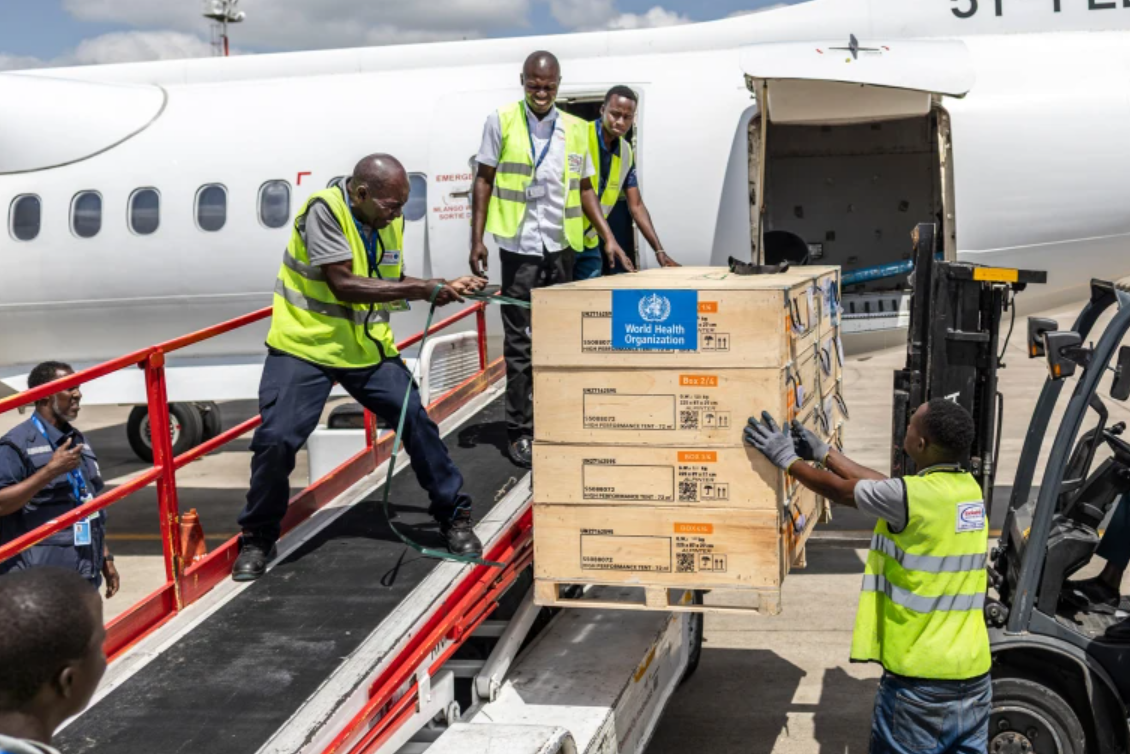

The United States has strengthened its position as the world's largest financial contributor to the fight against Ebola in Africa, committing more than $212 million to outbreak response efforts in the Democratic Republic of Congo (DRC) and Uganda as health authorities race to contain the deadly virus.
- The United States has committed over $212 million to support Ebola response efforts in the Democratic Republic of Congo and Uganda.
- This includes more than $162 million in direct assistance and $50 million for establishing up to 50 Ebola response clinics.
- U.S. support is coordinated with agencies like the CDC to contain the virus and prevent its international spread.
- The U.S. has also provided $350 million through UN OCHA funds for broader humanitarian relief in the region and committed $13.5 million to Kenya's Ebola preparedness.
According to a statement from the U.S. Department of State, the funding is being deployed in coordination with the U.S. Centers for Disease Control and Prevention (CDC) to support a rapid and comprehensive response aimed at containing the virus at its source and preventing further international spread.
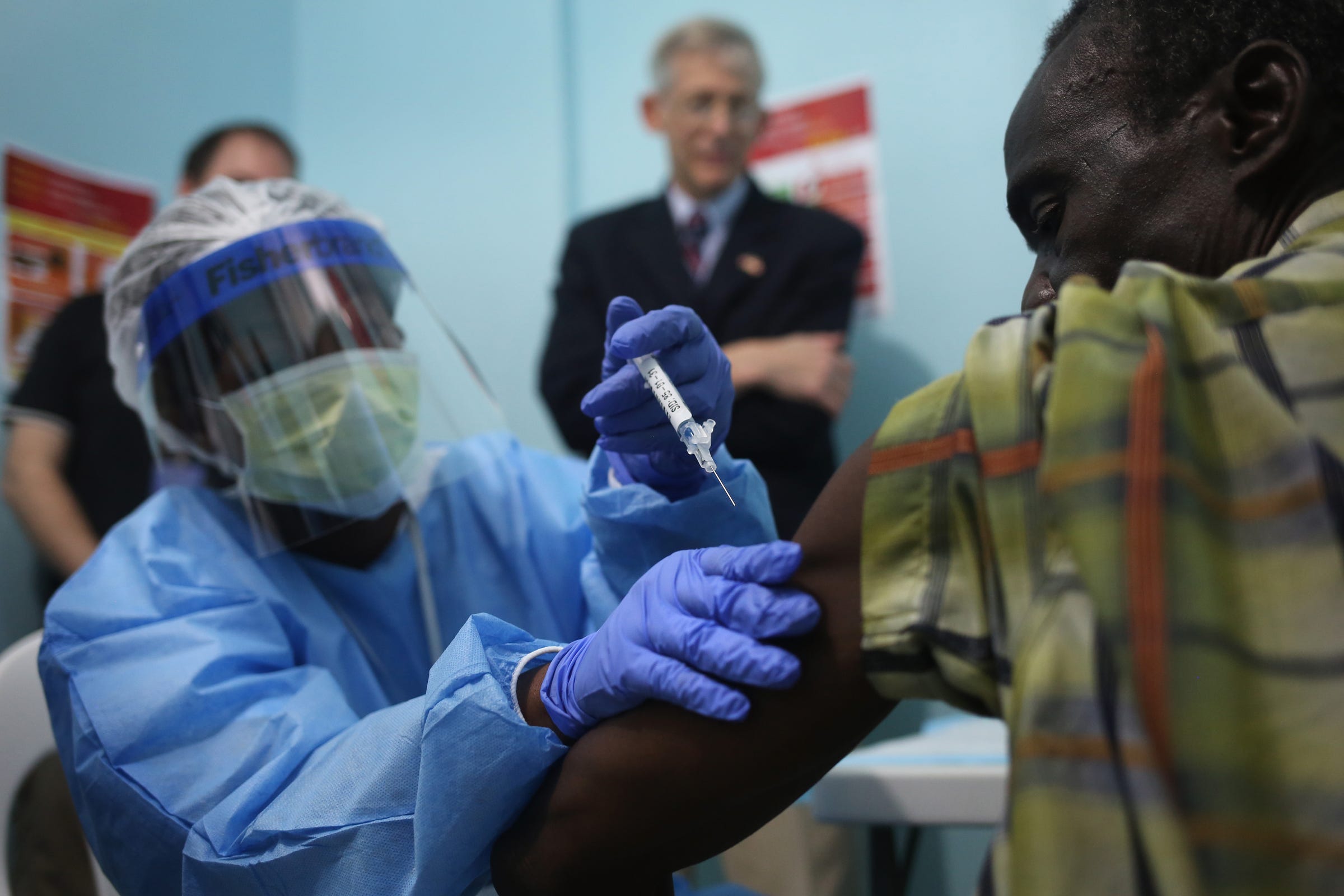
The latest commitment includes more than $162 million in direct Ebola assistance and an additional $50 million to support the rapid establishment of up to 50 Ebola response clinics.
DON'T MISS THIS: U.S. expands Ebola response in Africa as Uganda joins talks on treatment hub for Americans
The U.S. government says the investment is helping governments, humanitarian agencies and health partners expand containment efforts while protecting global public health.
The latest commitment comes as concerns grow over the cross-border implications of the outbreak, particularly ahead of the FIFA World Cup 2026, which will be jointly hosted by the United States, Canada and Mexico.
The State Department said the U.S. assistance package is enabling governments, non-governmental organizations and international agencies to expand critical response activities across affected regions.
Beyond the Ebola-specific funding, Washington has also provided $350 million through United Nations Office for the Coordination of Humanitarian Affairs (OCHA) pooled funds for broader humanitarian efforts in the DRC, Uganda and South Sudan.
The contribution forms part of a wider $1.8 billion humanitarian package announced in May.
U.S. steps up regional preparedness efforts
The United States is also working with African governments to strengthen preparedness measures beyond the outbreak zones.
On May 28, U.S. Secretary of State Marco Rubio and Kenyan President William Ruto discussed joint efforts to respond to the Ebola outbreak. Washington indicated that it intends to commit $13.5 million toward Kenya's Ebola preparedness initiatives, highlighting concerns that regional mobility could increase the risk of transmission.
At the same time, the United States, Canada and Mexico announced coordinated public health travel measures for individuals arriving from high-risk Ebola-affected regions in Africa.
DON'T MISS THIS: Kenya secures $13.5 million support package amid agreement to host U.S.-linked Ebola facility
The State Department has updated its worldwide travel caution, requiring travelers who have recently been in the DRC, Uganda or South Sudan to enter the United States through designated airports for enhanced health screening.
The U.S. also updated its health advisory for Uganda, reiterating recommendations against non-essential travel and urging citizens to exercise enhanced precautions.
With total Ebola-related and humanitarian commitments now exceeding half a billion dollars, Washington is positioning itself at the forefront of international efforts to contain one of Africa's most closely watched public health emergencies.