While Zvigananda splurge $20 million on a wedding, Zimbabwe is begging for money to feed the hungry
Can a country ever have more wicked leadership?
 Black News
Tendai Ruben Mbofana
There is a profound and agonizing tragedy unfolding in Zimbabwe, one that exposes the absolute moral bankruptcy of the country’s political and economic leadership.
If you value my social justice advocacy and writing, please consider a financial contribution to keep it going. Contact me on WhatsApp: +263 715 667 700 or Email: mbofana.tendairuben73@gmail.com
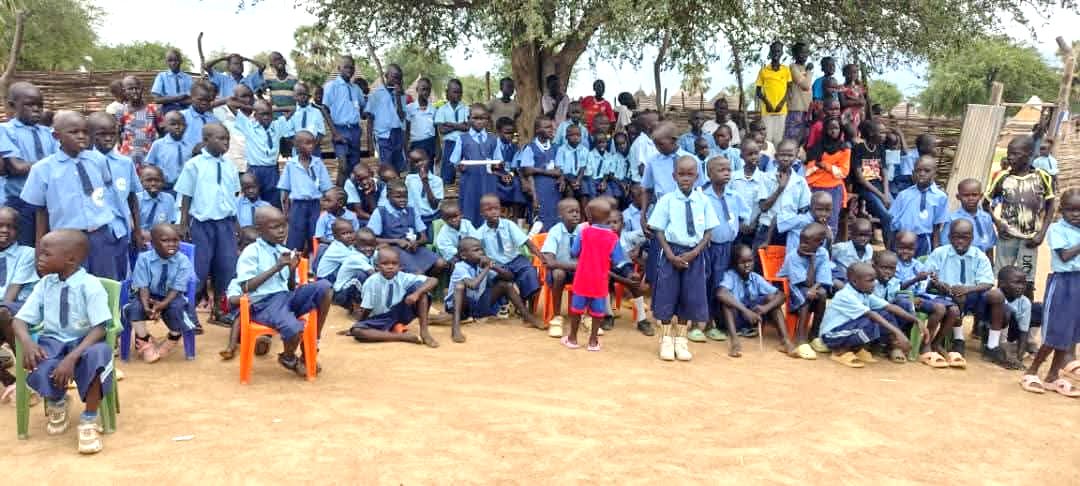
On one side of this bitter national reality, millions of ordinary citizens are facing the terrifying prospect of severe hunger.
The World Food Programme has made it clear that it urgently requires $36.5 million over the next six months just to keep basic food assistance programs running.
Despite a 2025-26 agricultural season where the planted cereal area reached 103 percent of the national target, the harvest outlook is mixed and highly precarious, leaving vulnerable communities in rural and urban areas hanging by a thread.
This looming humanitarian crisis is not an act of God, nor is it merely the fault of shifting weather patterns.
It is a crisis compounded by a ruling class that has completely detached itself from the suffering of the people it is supposed to govern.
While international donors are being begged to rescue starving citizens, Zimbabwe’s ruling elite and their inner circle are living in an alternate reality of grotesque luxury.
This parallel universe was on full display over the weekend at the $20 million dollar wedding extravaganza for the son of prominent tenderpreneur Kudakwashe Tagwirei.
The event became a stage for Zimbabwe’s “Zvigananda”—a wealthy class of tenderpreneurs who have amassed vast fortunes through inflated public contracts, monopolized state resources, and shady backroom deals that systematically drain the national treasury.
At this wedding, these elites engaged in an obscene display of competitive opulence, splashing millions of dollars in gifts and luxury spending in a single afternoon.
The amount spent on this one private celebration represents more than half of the total emergency funds the World Food Programme is desperately trying to raise to feed millions of hungry Zimbabweans.
The sheer scale of this juxtaposition is stomach-turning.
The government of Zimbabwe expects international donors, primarily funded by taxpayers in Western nations, to foot a $36.5 million bill for emergency food security, while its own politically connected tycoons squander $20 million on a weekend party.
This dynamic sends a toxic message to the international community.
It presents a picture of a country that does not lack resources, but rather lacks the integrity to manage them for the public good.
When foreign diplomats, donor agencies, and international taxpayers watch video clips of Zimbabwe’s elite flaunting unearned wealth derived from public money, any remaining goodwill evaporates.
The global community is forced to ask a simple, damning question: why should foreign governments care more about the survival of Zimbabwean children than the very people who run the country?
This structural looting and subsequent display of extravagant behavior is the precise reason why many Western nations are significantly cutting back on direct aid to African nations, particularly Zimbabwe.
For decades, the narrative surrounding food aid has been framed around poverty and underdevelopment.
However, the reality of the modern tenderpreneur economy proves that Zimbabwe possesses immense wealth; it is simply concentrated in the pockets of a predatory minority.
The international donor fatigue currently setting in across Western capitals is directly tied to this lack of accountability.
Donors are tired of subsidizing the basic survival of a population while the ruling class uses the national purse as a personal credit card to fund private empires and multi-million dollar family milestones.
By relying on foreign aid to cover social safety nets, the state abdicates its primary duty, using global charity as a shield to protect its own corrupt lifestyle.
Ultimately, this public display of wealth amidst widespread desperation exposes the profound cold-heartedness of the Zvigananda and the political elite toward the poor.
To throw a $20 million party in a country where teachers are forced into illegal mining to survive, and where rural families skip meals, is a form of structural violence.
It shows that those in power do not merely tolerate poverty—they are entirely indifferent to it.
Every dollar splashed on luxury vehicles, expensive imported wedding decor, and cash gifts is a dollar that was extracted from public infrastructure, health systems, and agricultural support programs.
The elite are not celebrating personal business success; they are flaunting the proceeds of state capture.
This behavior reveals a leadership completely devoid of empathy, celebrating their own enrichment at the direct expense of the citizens they have impoverished.
- Tendai Ruben Mbofana is a social justice advocate and writer. To directly receive his articles please join his WhatsApp Channel on: https://whatsapp.com/channel/0029VaqprWCIyPtRnKpkHe08