5 commercial African cities with the lowest climate index
A low Climate Index in African cities indicates environments that are frequently less comfortable in terms of temperature, humidity, and vulnerability to harsh weather conditions.
 Black News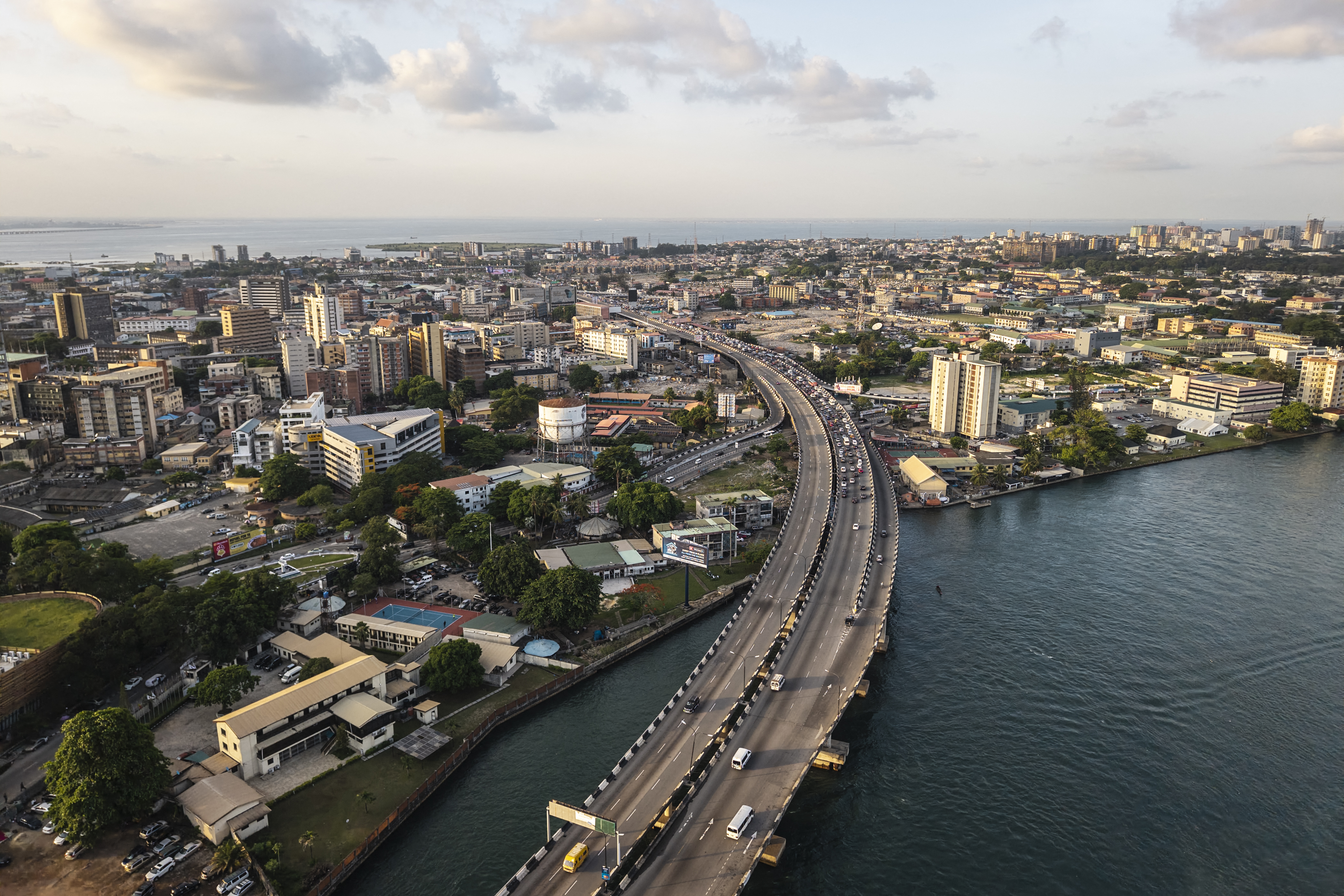
![This aerial view shows the King Road Bridge in Lagos Island, on May 14, 2025. [Photo by OLYMPIA DE MAISMONT/AFP via Getty Images]](https://ocdn.eu/pulscms/MDA_/663777264a14a9f3114c1eb0f0ab8f3d.jpg)
A low Climate Index in African cities indicates environments that are frequently less comfortable in terms of temperature, humidity, and vulnerability to harsh weather conditions.
- A low Climate Index in African cities reflects frequent discomfort due to temperature, humidity, and extreme weather.
- Such conditions can impact daily life, economic activities, and long-term urban development.
- High heat, humidity, and rainfall extremes raise infrastructure costs and strain public services in many cities.
- Despite climate challenges, other factors like port access and financial infrastructure sustain economic significance in many African cities.
The index, as calculated by Numbeo, spans from -100 to +100, with lower values indicating harsher or more changeable climates that may impact everyday life, economic activity, and long-term urban development patterns.
Cities with lower Climate Index scores are frequently typified by intense heat, high humidity, seasonal rainfall extremes, or arid conditions, which can put a strain on infrastructure and public services.
Many African towns are located in desert, semi-arid, or tropical regions, where temperature changes or extended heat periods are frequent.
While these conditions are not inherently negative, they can influence how cities grow and how residents interact with their environment.
DON’T MISS THIS: The top 5 major African cities with the best health care at the end of 2025
Climate conditions in many of Africa's largest commercial and trade centers are influenced by coastal humidity, extreme heat, or seasonal rainfall variations.
While these cities are economically significant due to their ports, financial centers, and industrial bases, their climatic conditions can impose practical limits on how commerce and daily operations are organized.
High temperatures and humidity, for example, can drive up cooling costs in office buildings, logistical hubs, and manufacturing sites.
This has a direct impact on operational costs for businesses in the commerce, services, and light industries sectors.
Furthermore, heat stress can lower productivity in industries that rely on outdoor or semi-outdoor labour, such as construction, transportation, and informal trade networks, which are critical to urban economies.
Seasonal weather variability is also a factor; for example, heavy rains can interrupt transportation corridors, slow cargo flow, and strain drainage and infrastructure systems.
For commercial hubs that rely on regular supply chain efficiency, such disruptions can have far-reaching consequences for regional and global trade flows.
Despite these hurdles, many cities remain powerful economic engines because the climate is simply one component of a larger competitiveness equation.
Strategic position, port access, population size, financial infrastructure, and political importance frequently trump environmental concerns.
However, it is important to note that a lower Climate Index does not indicate economic weakness; instead, it emphasizes the need for climate adaptation in urban planning and economic strategy.
Investments in robust infrastructure, enhanced building design, and climate-smart logistics systems are becoming increasingly important for preserving efficiency under harsh environmental circumstances.
With that said, here are the top African cities with the best climate in 2026, according to data from Numbeo.