5 things in almost every Black household
From plastic bag balls to Blue Magic, the staples of every Black household.
 Black News
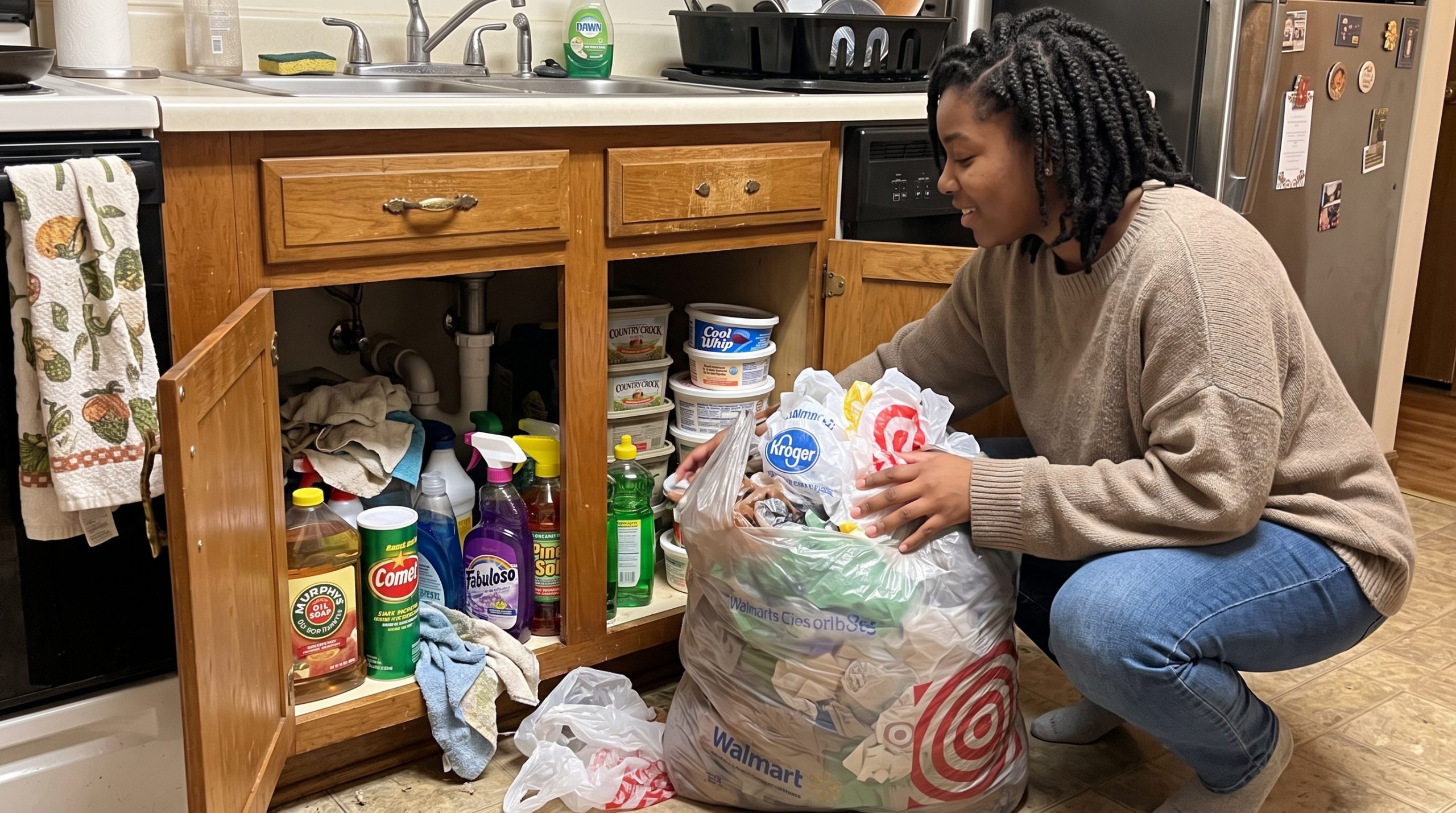

Walk into a Black home in Houston, Atlanta, Detroit, or Oakland, and something feels familiar before anyone says hello. A bag stuffed with more bags sits under the kitchen sink. A blue tin on the closet shelf holds no cookies. A jar of Vaseline is within arm’s reach, and a glass cabinet in the dining room guards plates no one is allowed to touch.
These items show up across regions, incomes, and generations as if every family ordered from the same catalog. Most of them were never made with Black families in mind. Families turned them into fixtures through necessity, thrift, and a knack for making something useful out of whatever was on hand, then handed those habits down to their children.
Here are five things you’ll find in almost every Black household.
The plastic bags
Every grocery run ends the same way. The food goes in the refrigerator, and the plastic bags go into a single bag already packed with dozens of others. The result is a bulging ball of plastic tucked under the sink, hung on a pantry doorknob, or wedged between the refrigerator and the wall.
Nobody throws these bags away. They line bathroom trash cans, carry lunches, hold wet swimsuits after a day at the pool, and send guests home with plates of leftovers. Anyone who grew up in a Black home can point to the exact cabinet where the bags lived, and tossing one in the trash was treated like a small household crime.
The habit comes from grandparents and great-grandparents who lived through lean years and saw no reason to buy something they could reuse for free.
The blue cookie tin
Few childhood letdowns compare to prying open the blue Royal Dansk butter cookie tin and finding needles and thread instead of cookies.
The tin usually sits on a closet shelf or under a bed. Inside are spools of thread in every color, a pincushion, safety pins, a measuring tape, and loose buttons saved from shirts that wore out years ago. It works as the family repair shop. A loose hem or a missing button gets fixed at home, not replaced.
The cookies are a holiday favorite, often handed out as gifts in December. Once the last one is gone, the tin gets a second life. Its sturdy lid and flat shape make it ideal for storage, and in some homes, a second tin holds important papers, receipts, or old photos.
Hot sauce
A Black kitchen without hot sauce feels incomplete. A bottle usually sits on the table or in the refrigerator door, and some people keep a spare in a purse or car console for meals away from home.
Brands vary by family and region. Louisiana Hot Sauce, Crystal, and Texas Pete are common picks, and loyalty to one runs deep. It goes on fried chicken, eggs, grits, fried fish, greens, and, for some, nearly everything on the plate.
Food historians tie the Southern love of pepper sauce to West African and Caribbean cooking traditions. Peppers added flavor to simple ingredients and helped stretch a meal. For many families, that splash of heat is what makes food taste like home.
Vaseline and Blue Magic
The jar of Vaseline may be the hardest-working item in the house. Parents rub it on ashy knees and elbows before school, smooth it on chapped lips in winter, and wipe it across faces before church and family photos. It also loosens stuck rings and softens dry cuticles.
Petroleum jelly was patented in the 1870s as an all-purpose ointment, not a product for Black skin. Black families found their own uses for it and made it a must-have.
Blue Magic sits right next to it. The jar of bright blue hair grease has been part of wash-day and Sunday-morning routines for decades. It goes on scalps, edges, and the ends of braids, and the smell alone can take many Black adults back to sitting between a parent’s knees while their hair was parted and greased.
Together, the two products reflect a beauty routine built on what was affordable, dependable, and easy to find at the corner store.
The curio cabinet
Many Black homes have one room that feels like a museum. At its center is the curio cabinet, a glass case filled with the good china, crystal glasses, porcelain figurines, graduation photos, and souvenirs from trips taken years ago.
The rule is simple. Look, don’t touch. The plates inside rarely see food. They come out for Thanksgiving, Christmas, or a special guest, if they come out at all. Children learn early to walk carefully past the glass, and some families keep the cabinet locked.
For many families, fine china signaled stability and pride, especially for elders who once worked in other people’s homes and set tables with other people’s dishes. Keeping those pieces safe behind glass honors how far a family has come and preserves something to pass down.