Africa’s biggest airline is demanding dollars as Sudan’s pound slides beyond 4,000 per dollar
When Africa’s largest airline appears unwilling to accept a country’s currency, the problem usually extends far beyond aviation.
 Black News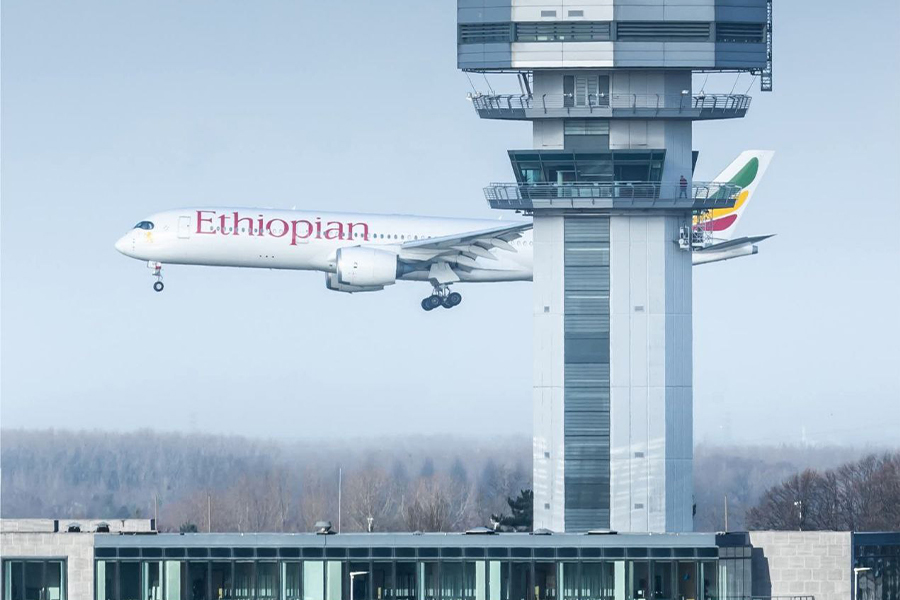

When Africa’s largest airline appears unwilling to accept a country’s currency, the problem usually extends far beyond aviation.
- Ethiopian Airlines has come under criticism following reports that it stopped accepting Sudanese pounds for ticket purchases in Port Sudan.
- The dispute comes as the Sudanese pound trades around 4,000-4,100 per dollar on the parallel market amid a prolonged economic crisis.
- Analysts say businesses face mounting risks from holding a rapidly depreciating currency while many operating costs remain dollar-denominated.
- The development highlights how Sudan’s war-driven currency collapse is increasingly affecting everyday economic activity.
Ethiopian Airlines has come under criticism following reports that its Port Sudan office has stopped accepting Sudanese pounds for ticket purchases, requiring travellers to pay in U.S. dollars instead.
The reported move has sparked backlash among passengers and renewed concerns about the rapid deterioration of Sudan’s currency amid a war that has devastated the country’s economy.
The controversy is not really about airline tickets. It is about what happens when a currency weakens to the point where major businesses no longer want to hold it.
The pound’s collapse
The Sudanese pound has been under intense pressure since civil war erupted in April 2023 between the Sudanese Armed Forces and the Rapid Support Forces.
The conflict has crippled economic activity, disrupted exports, weakened state finances and displaced millions of people.
As foreign currency became increasingly scarce, the gap between official exchange rates and market reality widened sharply.
Recent reports indicate the pound is trading at around 4,000 to 4,100 Sudanese pounds per U.S. dollar on the parallel market, a dramatic deterioration from levels seen at the start of the conflict.
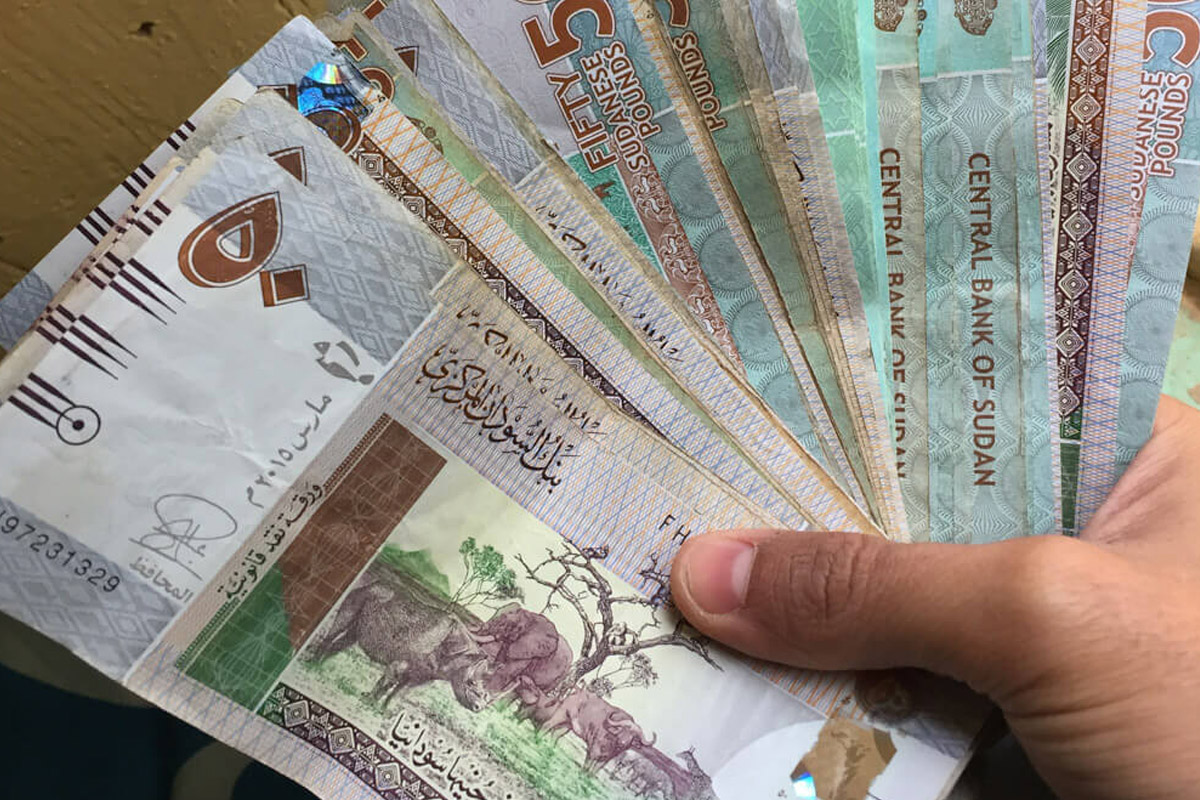
Sudan’s government itself has acknowledged the severity of the currency crisis, introducing import restrictions in April in an attempt to stem the pound’s slide.
The situation has worsened repeatedly during the conflict.
Reuters reported in October last year that disruptions to Sudan’s gold exports contributed to the pound weakening from around 2,200 to 3,600 per dollar within months, highlighting how dependent the economy has become on scarce foreign-exchange earnings.
Why Ethiopian Airlines wants dollars
For international airlines, revenue may be collected locally, but many costs are paid in dollars.
Aircraft leases, maintenance contracts, insurance, spare parts and fuel-related expenses are largely denominated in hard currency.
Holding large balances in a rapidly depreciating currency can expose airlines to significant losses, particularly in countries where converting local earnings into dollars is difficult.
That challenge has become increasingly acute in Sudan.
According to reports, dwindling production, reduced exports and wartime spending have made it harder for foreign companies to repatriate funds from the country.
The reported shift by Ethiopian Airlines therefore shows not only concerns about the pound’s value but also broader challenges surrounding access to foreign exchange.
The airline has not publicly issued a detailed statement explaining the reported payment policy.

The burden on ordinary Sudanese
While the economics may make sense for businesses, the consequences for consumers are significant. Most Sudanese earn and save in local currency, not dollars.
If major service providers begin demanding payment in U.S. currency, travellers are often forced to seek dollars through informal exchange markets.
Economists warn that such behaviour can create a self-reinforcing cycle: rising demand for dollars strengthens the parallel market, weakens confidence in the local currency and places additional pressure on exchange rates.
The result is that ordinary citizens effectively pay twice.
They face the direct cost of a weakening currency through higher prices, while also bearing the added burden of sourcing scarce foreign exchange to access services that were previously available in local currency.
More than an aviation dispute
The Ethiopian Airlines controversy is ultimately a visible symptom of a much deeper problem.
The airline remains one of the few major international carriers serving Port Sudan after years of conflict disrupted aviation links across the country.
That gives its reported decision outsized significance because many travellers have limited alternatives.
For investors, economists and policymakers, the episode sends a broader message.
When major international companies become reluctant to accept a country’s currency, confidence in that currency has already been severely eroded.